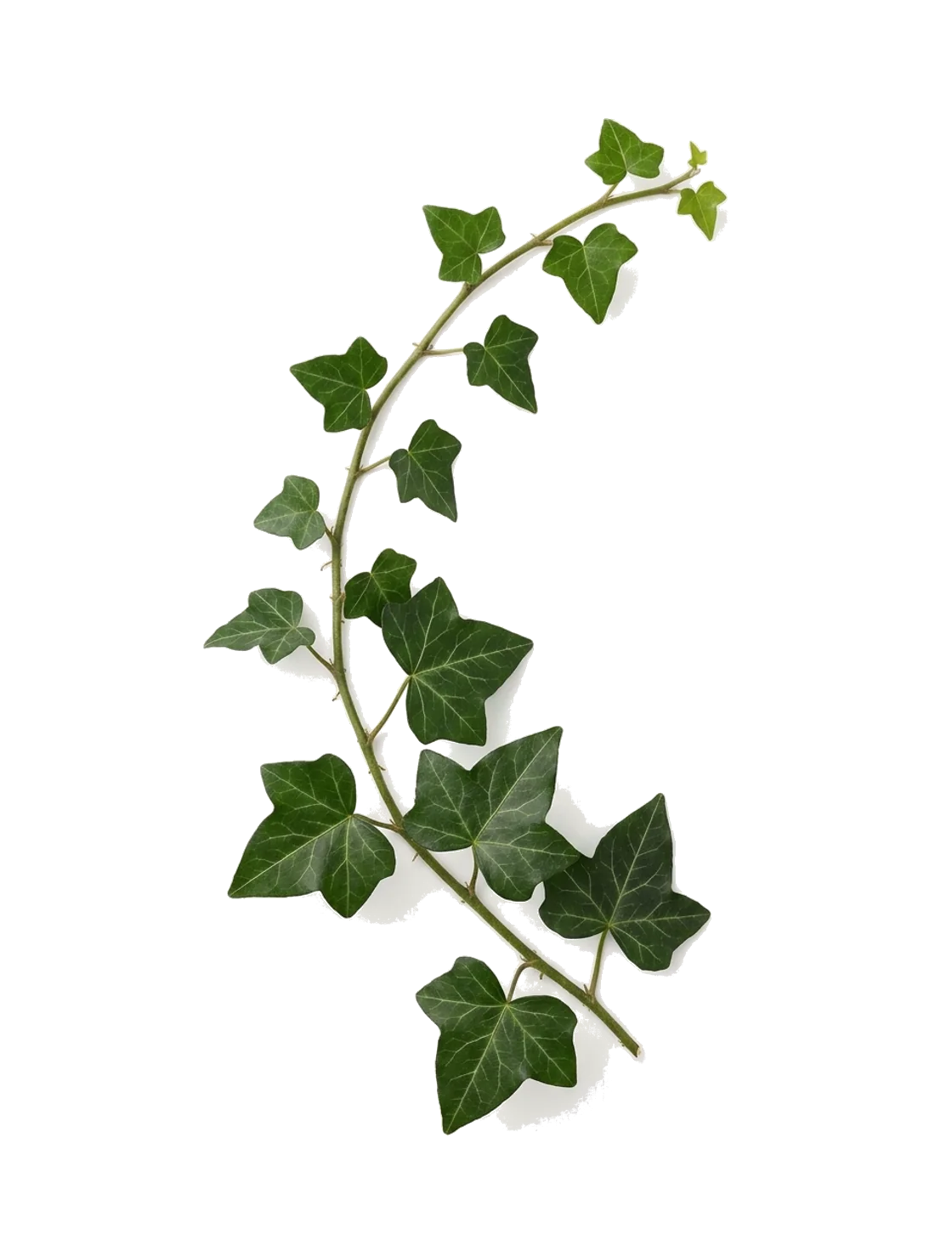
English ivy (Hedera helix) is an evergreen woody climber native to Europe and western Asia. It is widely recognized by its distinctive lobed, glossy green leaves, with many cultivated varieties offering striking creamy-white or yellow variegation. The plant climbs effortlessly across walls, fences, and trellises by developing small aerial rootlets that cling securely to rough vertical surfaces.
Beyond its traditional outdoor role as ground cover or vertical screening, English ivy makes an elegant indoor houseplant when grown in hanging baskets or trained along moss poles. Its cascading foliage and adaptable nature provide year-round greenery with minimal fuss. Because it tolerates a variety of growing conditions, it is a favored choice for beginners and experienced gardeners alike.
Successful cultivation relies on moderate watering, well-draining soil, and bright, indirect light, which keeps variegated foliage vibrant. Providing cool room temperatures and proper air circulation helps prevent common issues such as spider mites. Routine pruning is recommended to control its vigorous growth and promote fuller, bushier stems throughout the active growing season.
Did you know?In ancient Greece and Rome, English ivy was dedicated to Bacchus and woven into wreaths to symbolize fidelity, endurance, and eternal life.
Care. What it needs, point by point.
- Watering
- 1× a weekWater thoroughly whenever the top inch or two of soil feels dry to the touch. During spring and summer, watering once a week is usually sufficient, cutting back to every ten to twelve days in winter. Never allow the pot to sit in standing water, as soggy roots quickly rot.
- Light
- IndirectPosition your ivy in bright, indirect sunlight to maintain lush foliage and sharp leaf variegation. Protect the plant from intense, direct midday sun that can scorch the leaves.
- Temperature
- 12–22 °C ideal temperatureEnglish ivy thrives best within a temperature range of 12 °C to 22 °C. It tolerates outdoor cold well, but indoor plants should be kept away from dry drafts and heating vents.
- Soil
- Plant in a lightweight, well-draining potting mix containing peat moss, perlite, and pine bark to ensure excellent aeration.
- Fertilizer
- 3–4 weeks between feedsFeed every three to four weeks in spring and summer with a balanced liquid houseplant fertilizer diluted to half strength.
- Pruning
- Pinch back or trim trailing stems in spring to maintain your desired size and encourage bushier growth. Remove dead or yellowing foliage whenever necessary to keep the plant clean.
- Propagation
- Propagate by taking stem cuttings about ten centimeters long and placing them in water or moist potting mix during spring. Existing aerial rootlets along the stems will help new roots establish rapidly.
Where it grows. In the wild and in homes.
In the wild it grows in Europe and temperate Asia, in a temperate climate.
People have also taken it to 53 more regions where it now grows on its own: North America, Australasia, South and Central America and the Caribbean, and the Pacific.
Range: Plants of the World Online, Royal Botanic Gardens, Kew
Is English ivy toxic to cats and dogs?
Toxic to cats and dogs.

Cats
Toxic

Dogs
Toxic
Usual signs
Vomiting, abdominal pain, hypersalivation, and diarrhea, with the foliage being more toxic than the berries.
If your pet has chewed it and shows symptoms, call your vet or the nearest emergency vet.
Source · ASPCA Animal Poison Control
Common problems What tends to go wrong.
- Spider mites
- Mealybugs and scale
- Root rot
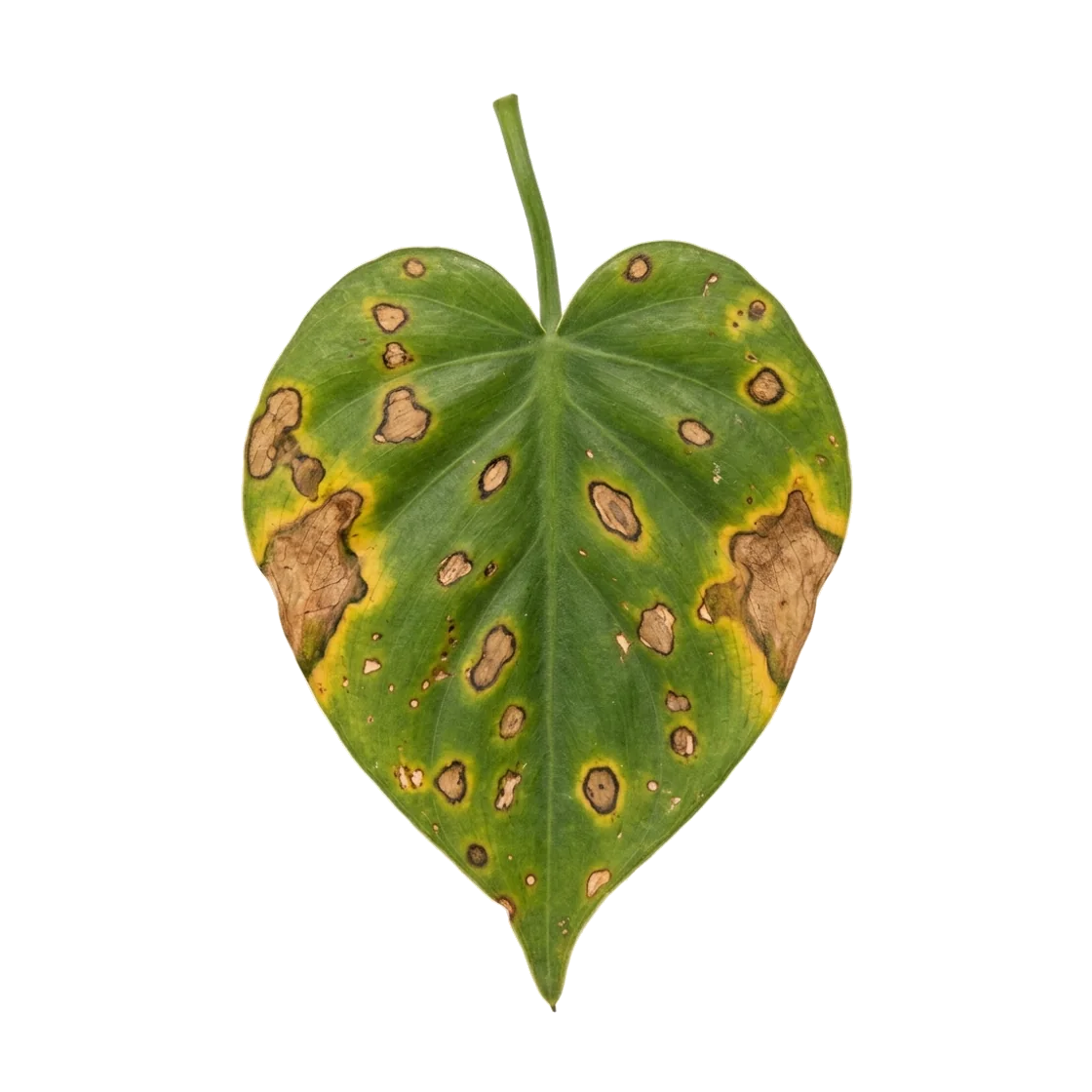
- Fungal or bacterial leaf spots
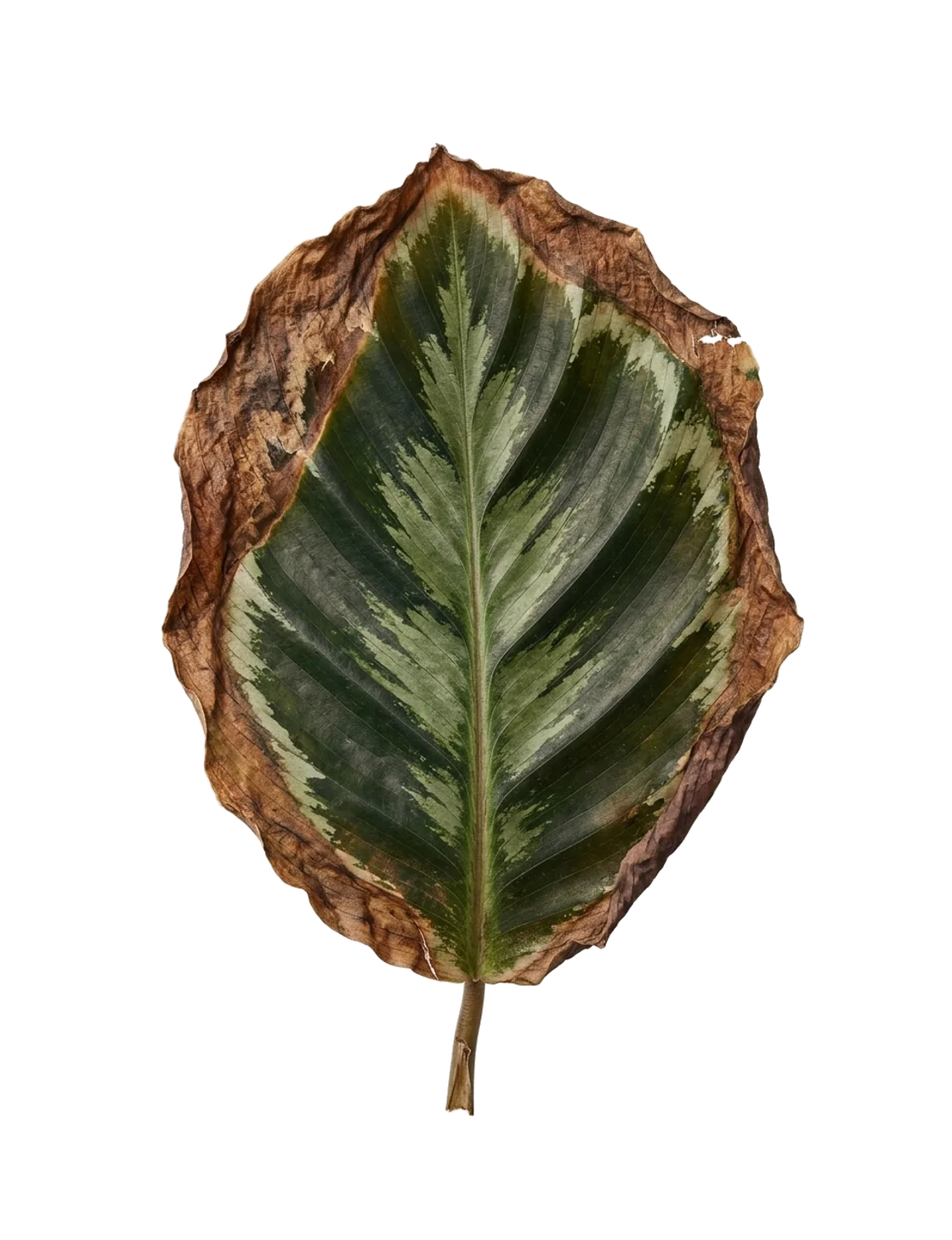
- Dry air



Frequently asked questions What people ask most.
Why are my English ivy's leaves turning dry and brown?
Brown, crispy leaves indoors usually stem from low ambient humidity, high room temperatures, or underwatering. These dry conditions also invite spider mite infestations. Mist the foliage regularly and place the pot away from direct heating sources.
Why is my variegated ivy turning solid green?
Variegated leaves revert to solid green when the plant is not receiving enough ambient light. It produces extra chlorophyll to survive in dimmer conditions, which overrides the light markings. Move your ivy to a brighter spot with filtered light to restore variegation.
Can English ivy damage exterior walls and fences?
Ivy climbs using tiny aerial rootlets that can penetrate crumbling mortar or loosen wooden siding over time. To protect your walls, install a trellis or wire framework a few inches off the facade so the vines can climb freely without adhering directly.
How often should I mist my English ivy indoors?
Misting once or twice a week helps maintain the ambient humidity English ivy prefers in heated indoor spaces. Doing so also deters spider mites from settling under the leaves. Ensure adequate airflow so the foliage dries out reasonably fast.