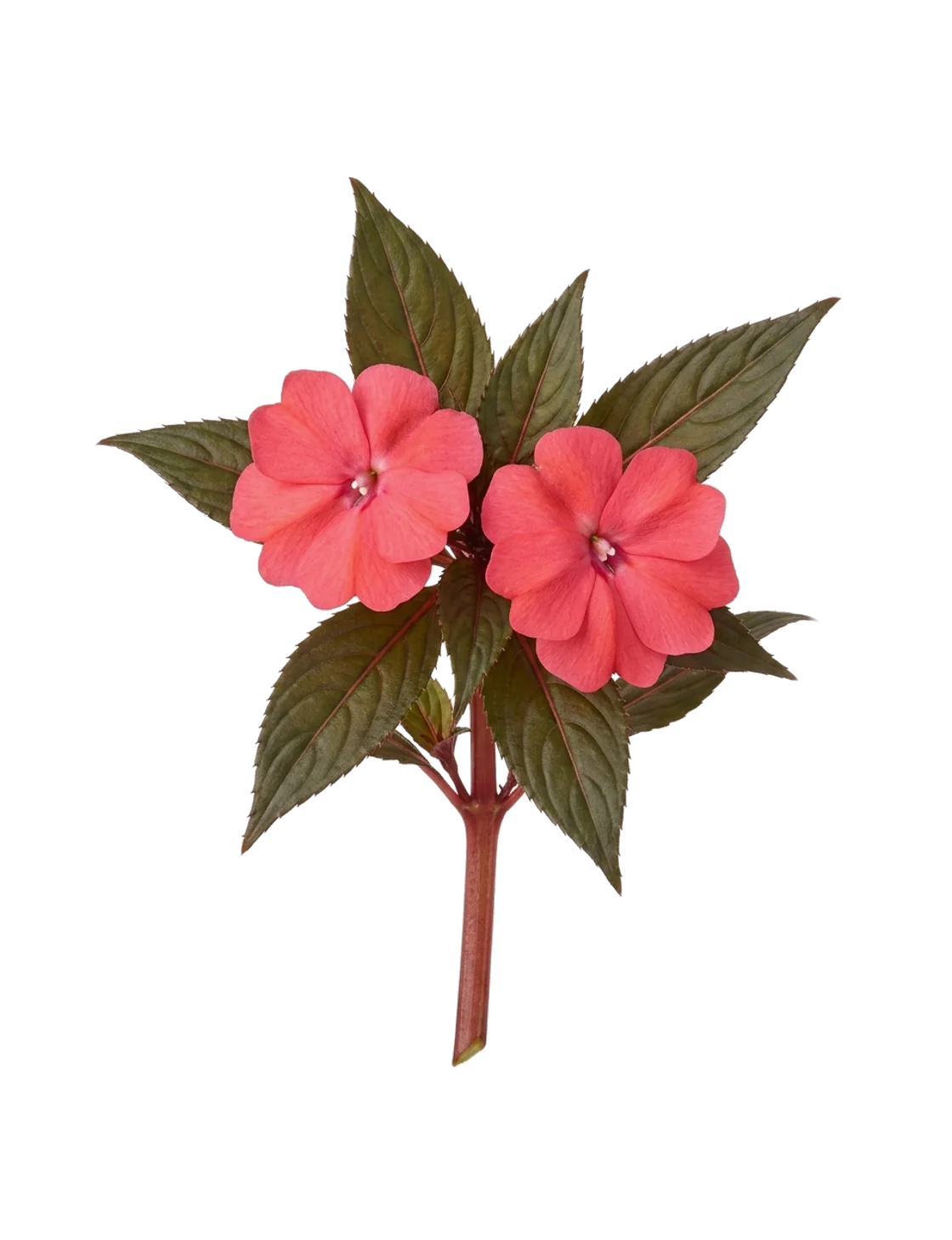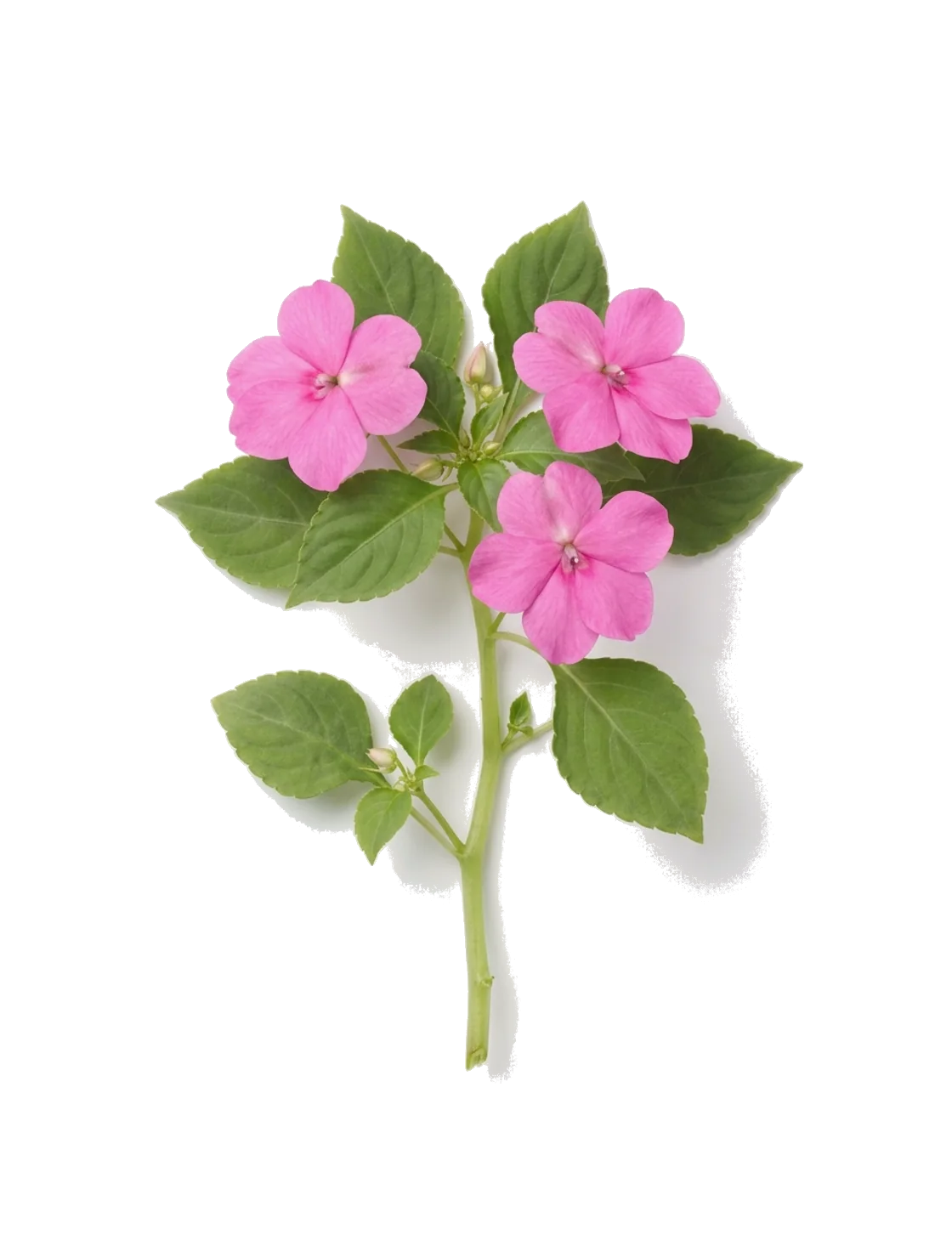
Impatiens walleriana, commonly known as busy Lizzie or simply impatiens, is one of the most beloved flowering herbaceous plants in horticulture. Renowned for its fleshy, semi-translucent stems and lush green foliage, it delivers a prolific carpet of blossoms that come in vivid shades of pink, red, coral, violet, and pristine white.
Originating in East Africa, this shade-tolerant classic has revolutionized garden beds, hanging baskets, and window boxes around the globe. While many blooming species demand full sun, impatiens thrives in low-light spots, making it invaluable for brightening shaded patios, understory plantings, and brightly lit indoor areas. Its fleshy stems store some moisture, yet its shallow roots cannot tolerate extended drying out.
Maintaining a thriving impatiens is straightforward as long as moisture levels remain consistent and harsh midday sun is avoided. Shielding the plant from freezing temperatures and offering a well-draining, rich substrate ensures vigorous growth and an endless succession of colorful flowers from spring right through the first autumn chill.
Did you know?The name Impatiens comes from the Latin word for impatient, describing how ripe seed pods burst explosively when gently touched.
Care. What it needs, point by point.
- Watering
- 2–3× a weekKeep the soil consistently moist but never waterlogged, watering 2 to 3 times per week during summer and reducing frequency in cooler weather. Check the top inch of soil with your finger; if it feels dry, provide a thorough drink.
- Light
- IndirectThrives best in bright indirect light or dappled partial shade. Avoid direct afternoon sun, which will quickly scorch the delicate petals and cause leaves to wilt.
- Temperature
- 15–24 °C ideal temperatureMaintains prime vigor between 15°C and 24°C (60°F to 75°F). It cannot withstand frost and will deteriorate if temperatures drop below 10°C (50°F).
- Soil
- Use a porous, organically rich potting mix that drains excess moisture freely, such as peat mixed with perlite. Heavy clay mixes should be avoided to prevent root stagnation.
- Fertilizer
- 2 weeks between feedsFeed with a diluted, balanced liquid fertilizer formulated for flowering plants every two weeks throughout the active growing period. Cease feeding during the winter months.
- Pruning
- Pinch the tips of young stems early in the season to encourage bushy, branching growth. Regularly pinch off spent blossoms and withered foliage to maintain neatness and deter fungal issues.
- Propagation
- Propagate effortlessly by taking softwood stem cuttings in spring or summer, which root quickly in clean water or moist substrate. You can also start plants from seeds sown indoors several weeks before the last spring frost.
Where it grows. In the wild and in homes.
In the wild it grows in south tropical Africa and tropical East Africa, in a wet tropical climate.
People have also taken it to 55 more regions where it now grows on its own: South and Central America and the Caribbean, Africa, North America, and tropical Asia.
Range: Plants of the World Online, Royal Botanic Gardens, Kew
Is Impatiens toxic to cats and dogs?
Non-toxic to cats and dogs.

Cats
Non-toxic

Dogs
Non-toxic
Source · ASPCA Animal Poison Control
Common problems What tends to go wrong.
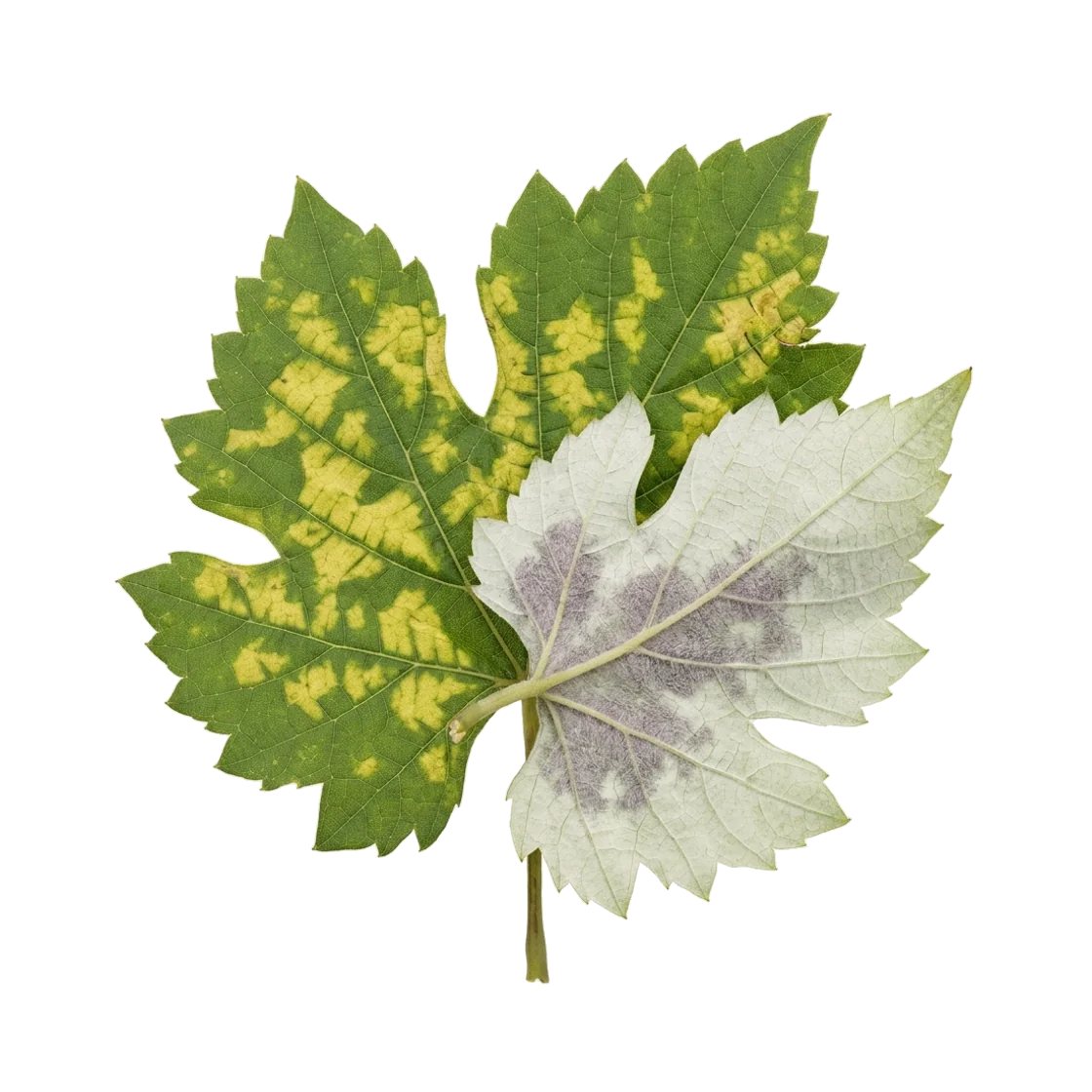
- Downy mildew
- Root rot
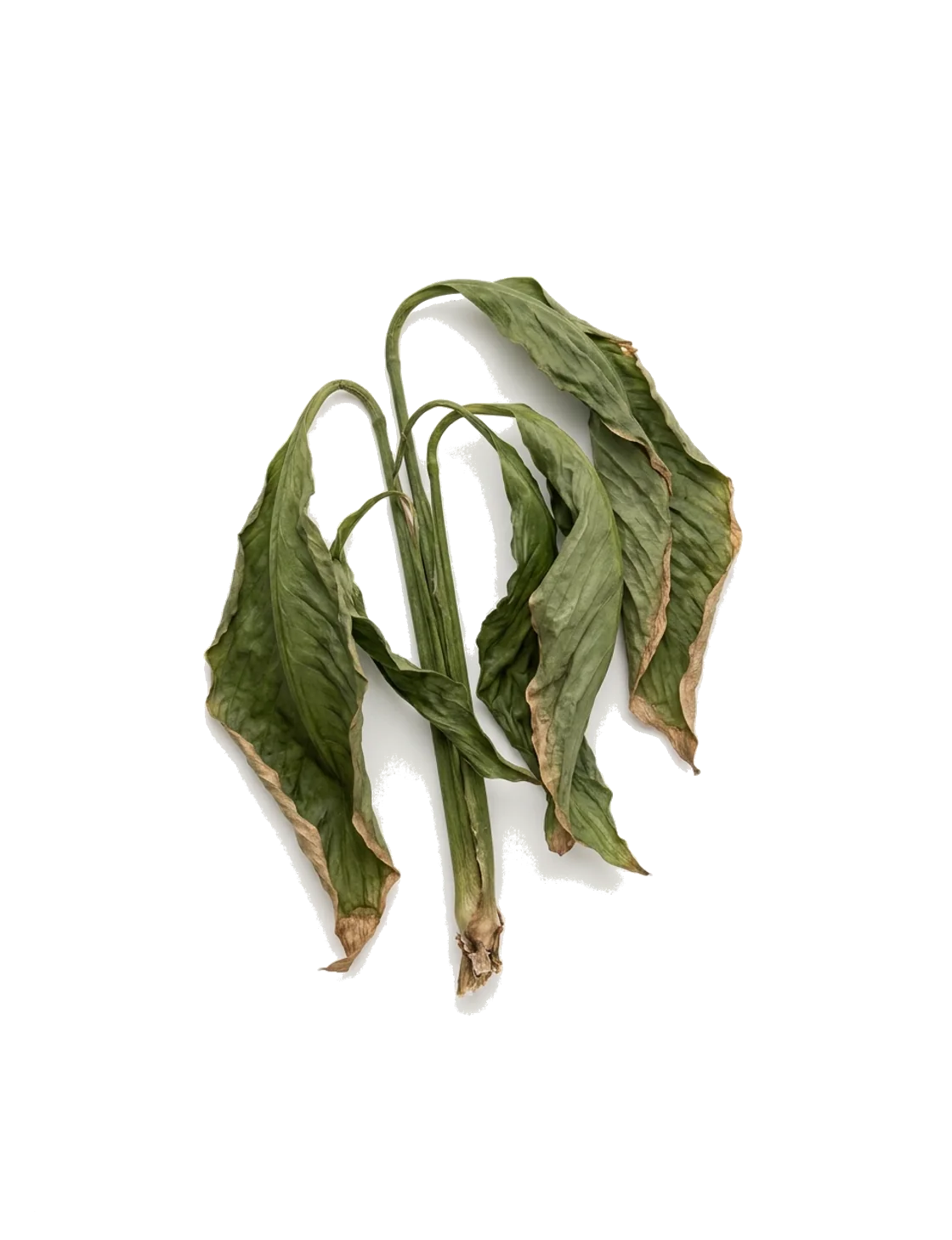
- Underwatering
- Spider mites
- Aphids



Frequently asked questions What people ask most.
Why are my impatiens flowers dropping or wilting?
Premature blossom drop is typically triggered by underwatering, excessively dry air, or sudden heatwaves. Ensure the soil stays evenly moist and protect the plant from harsh winds or intense sunlight.
Why are the leaves on my impatiens turning yellow?
Yellowing leaves usually point to overwatering or poorly draining soil that suffocates the root system. Allow the topsoil to dry slightly between waterings and make sure pots have clear drainage holes.
Can impatiens be kept indoors as a houseplant?
Yes, impatiens can flourish indoors if placed in a spot that receives plenty of bright indirect light, such as an east-facing window. Keep ambient humidity adequate and ventilate the room occasionally to prevent mildew.
How do I encourage my impatiens to bloom more?
Provide bright filtered light and apply a balanced blooming fertilizer every two weeks during spring and summer. Pinching back straggly stems early in the season will also stimulate dense branches packed with fresh flower buds.