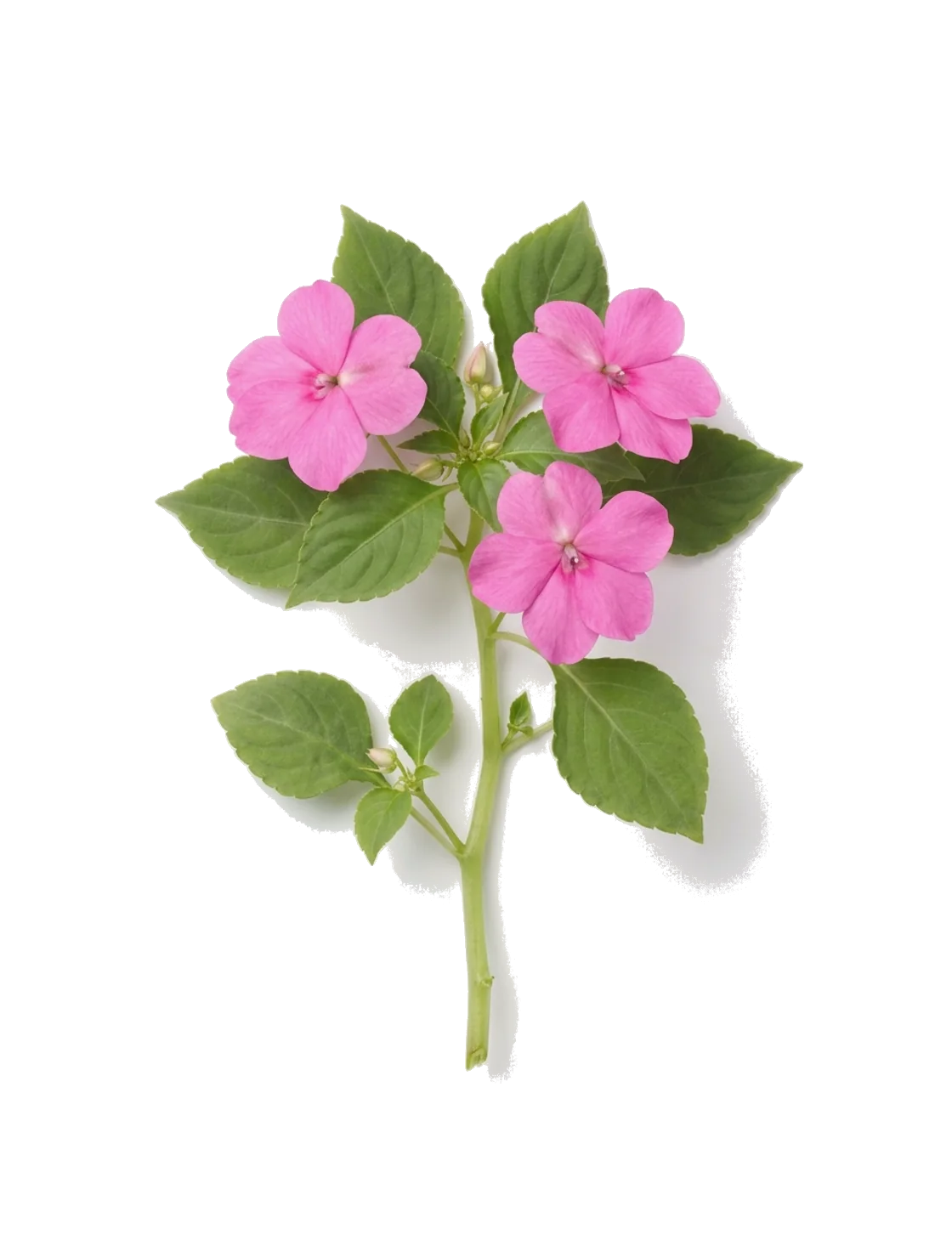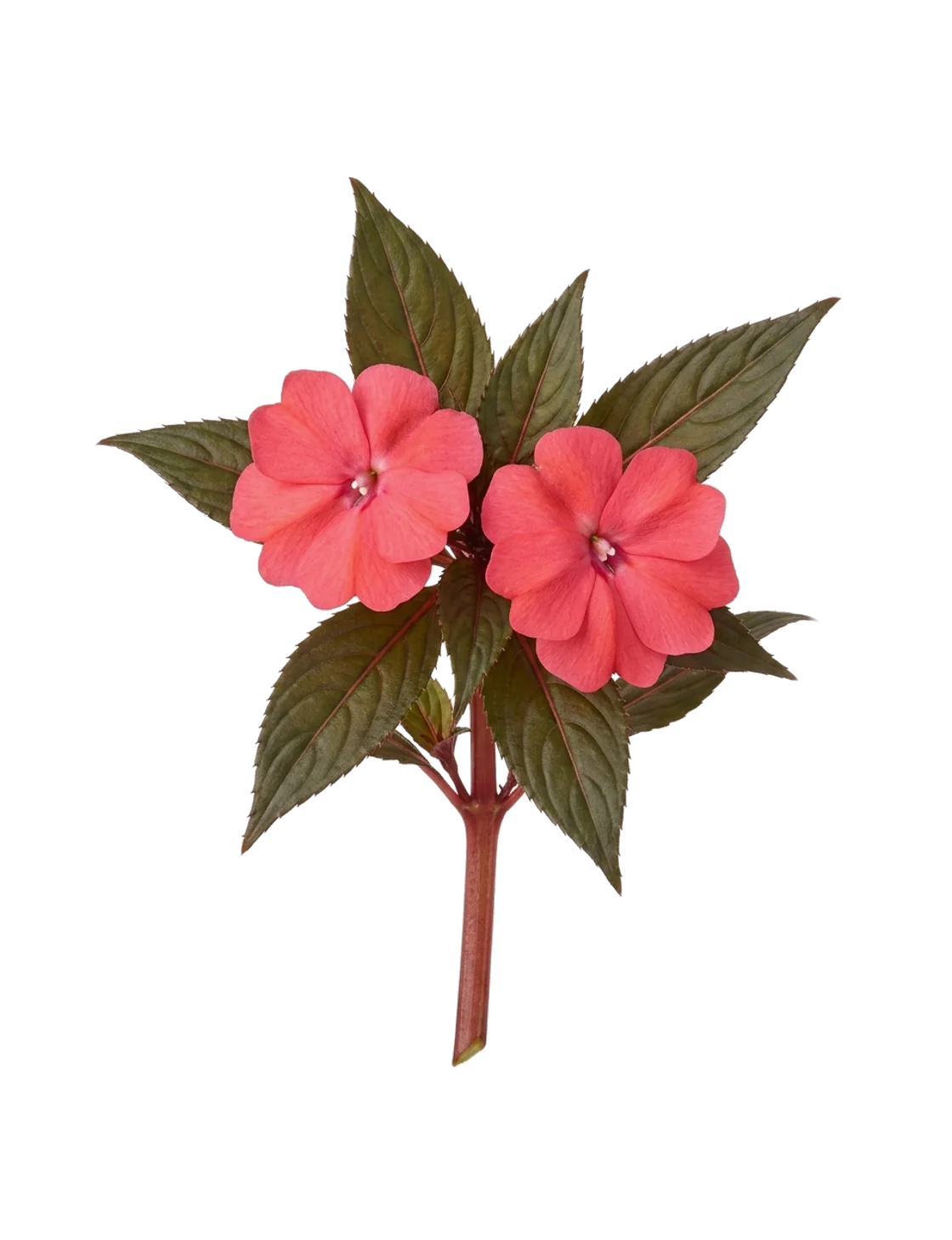
New Guinea impatiens (Impatiens hawkeri) is an evergreen perennial native to the tropical highland rainforests of Papua New Guinea. It is widely grown as an ornamental plant due to its lush, lance-shaped leaves, which often display attractive bronze or variegated patterns, and its large, flat-petaled blossoms that appear in vibrant shades of pink, red, purple, orange, and white.
Compared to common garden impatiens, this species features thicker stems, enhanced resistance to downy mildew, and a better ability to handle brighter, filtered light. It adapts smoothly to bright indoor spaces near windows, while also performing exceptionally well in porch containers, shaded balconies, and sheltered garden beds during frost-free seasons.
Success with this plant depends on providing steady moisture without saturating the roots, as even brief dry periods cause the tender foliage to wilt dramatically. When grown in an airy potting medium that drains freely, it maintains compact growth and rewards you with a reliable, colorful floral display from early spring through late autumn.
Did you know?Collected during a 1970 botanical expedition to Papua New Guinea, this plant quickly became a global greenhouse favorite. Unlike traditional garden impatiens, it possesses natural resistance to downy mildew.
Care. What it needs, point by point.
- Watering
- 2–3× a weekWater thoroughly when the top layer of potting mix begins to feel dry, usually 2 to 3 times a week in summer and once weekly in cooler weather. Always discard excess water from saucers to keep the roots healthy and prevent rot.
- Light
- IndirectIt thrives in bright, indirect light or gentle morning sun to fuel continuous flower production. Avoid harsh midday sun, which quickly scorches the leaves and causes blooms to fade prematurely.
- Temperature
- 16–24 °C ideal temperatureThe ideal temperature range is between 16 °C and 24 °C year-round. It struggles when temperatures drop below 10 °C and cannot tolerate any frost.
- Soil
- Use a light, peat-based potting soil enriched with perlite to ensure rapid drainage while maintaining consistent moisture.
- Fertilizer
- 2 weeks between feedsFeed every two weeks during spring and summer with a balanced, diluted liquid fertilizer formulated for flowering plants. Suspend feeding in winter.
- Pruning
- Pinch back young stem tips to encourage bushier growth and promptly deadhead spent flowers to stimulate new buds.
- Propagation
- Propagate easily by taking 8 to 10 cm stem cuttings during spring or summer. They root readily in either water or a damp, sterile potting mix within a few weeks.
Where it grows. In the wild and in homes.
In the wild it grows in Papuasia, in a wet tropical climate.
People have also taken it to 2 more regions where it now grows on its own: Central America.
The Florami community has photographed it in España.
Range: Plants of the World Online, Royal Botanic Gardens, Kew
Is New Guinea impatiens toxic to cats and dogs?
Non-toxic to cats and dogs.

Cats
Non-toxic

Dogs
Non-toxic
Source · ASPCA Animal Poison Control
Gallery As the community sees it.
Photo · Forest & Kim Starr · CC BY 3.0
Common problems What tends to go wrong.
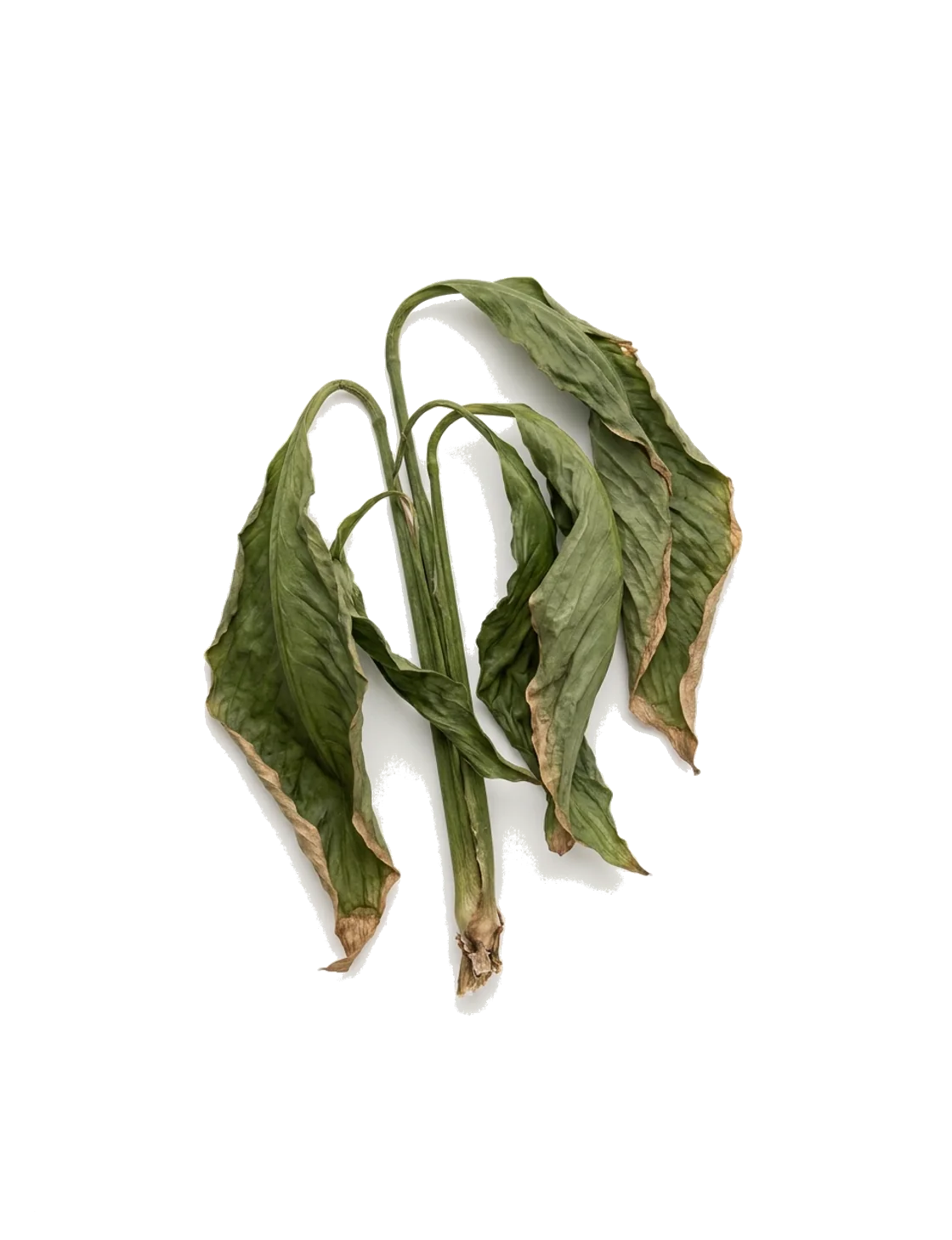
- Underwatering
- Root rot
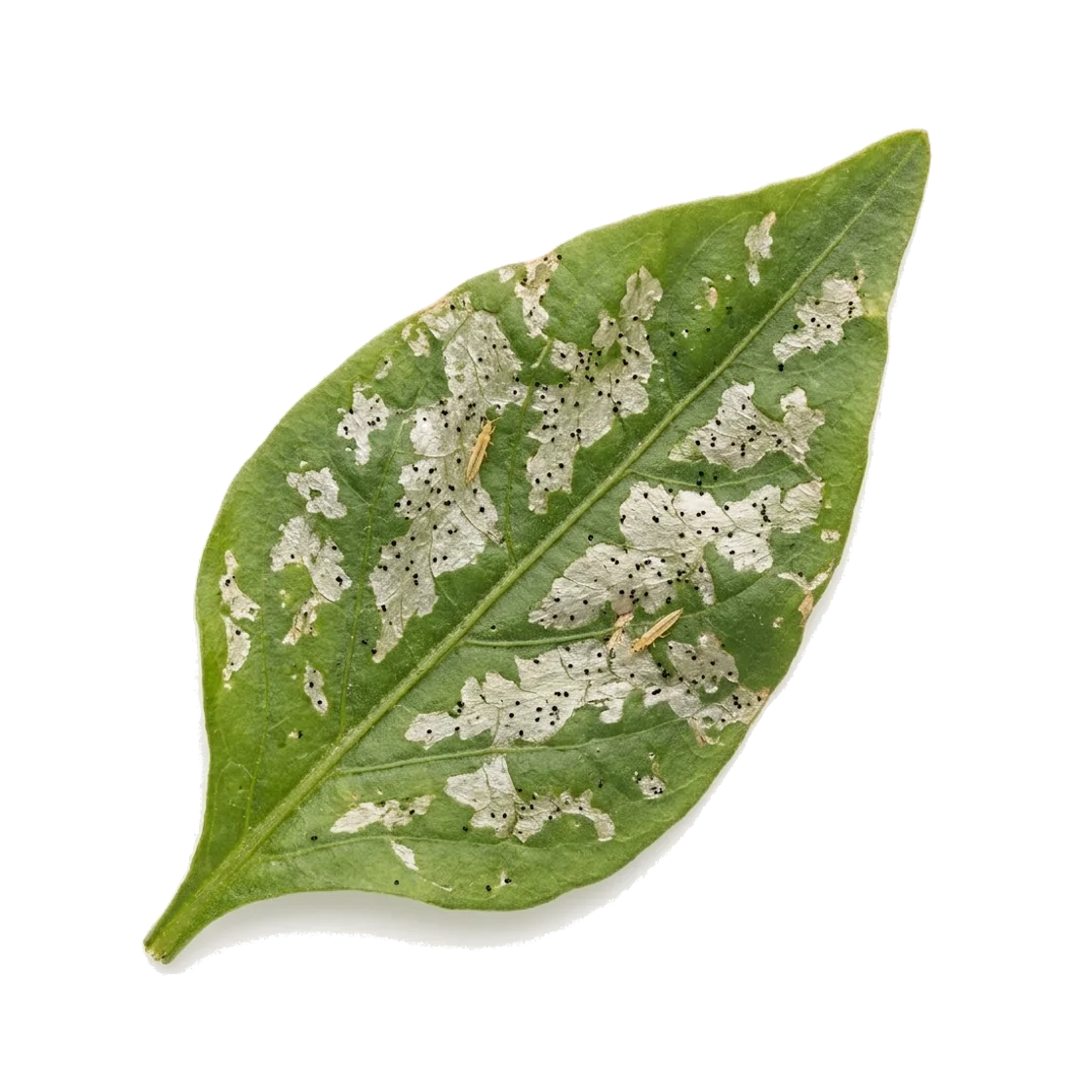
- Thrips
- Spider mites
- Sunburn


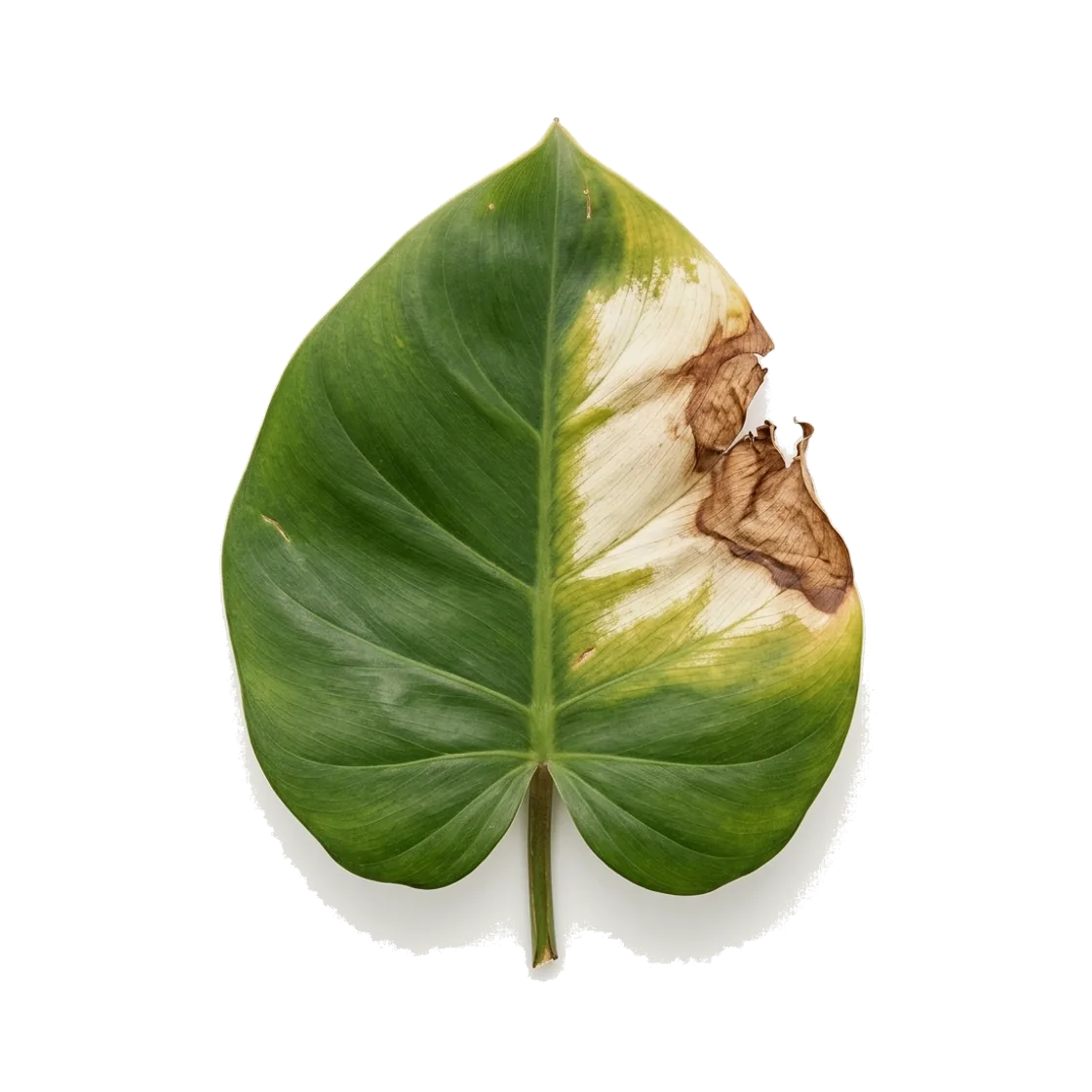
Frequently asked questions What people ask most.
Why is my New Guinea impatiens suddenly wilting?
Severe wilting is usually caused by dry soil, as the tender stems collapse rapidly when moisture drops. However, if the soil is soaking wet, wilting indicates root rot caused by poor drainage.
Why is my plant not blooming?
Insufficient light is the most common reason, as it requires plenty of bright, indirect sunlight to form buds. Excessive nitrogen fertilization can also promote lush foliage at the expense of flowers.
Can New Guinea impatiens survive outdoors year-round?
Only in mild, frost-free climates where temperatures consistently remain above 10 °C. In colder zones, bring it indoors before autumn chills arrive or grow it as a warm-season annual.
Why are the lower leaves turning yellow and falling off?
This typically signals overwatering or root distress from waterlogged soil. Check that your container has drainage holes and allow the top layer of soil to dry slightly before watering again.