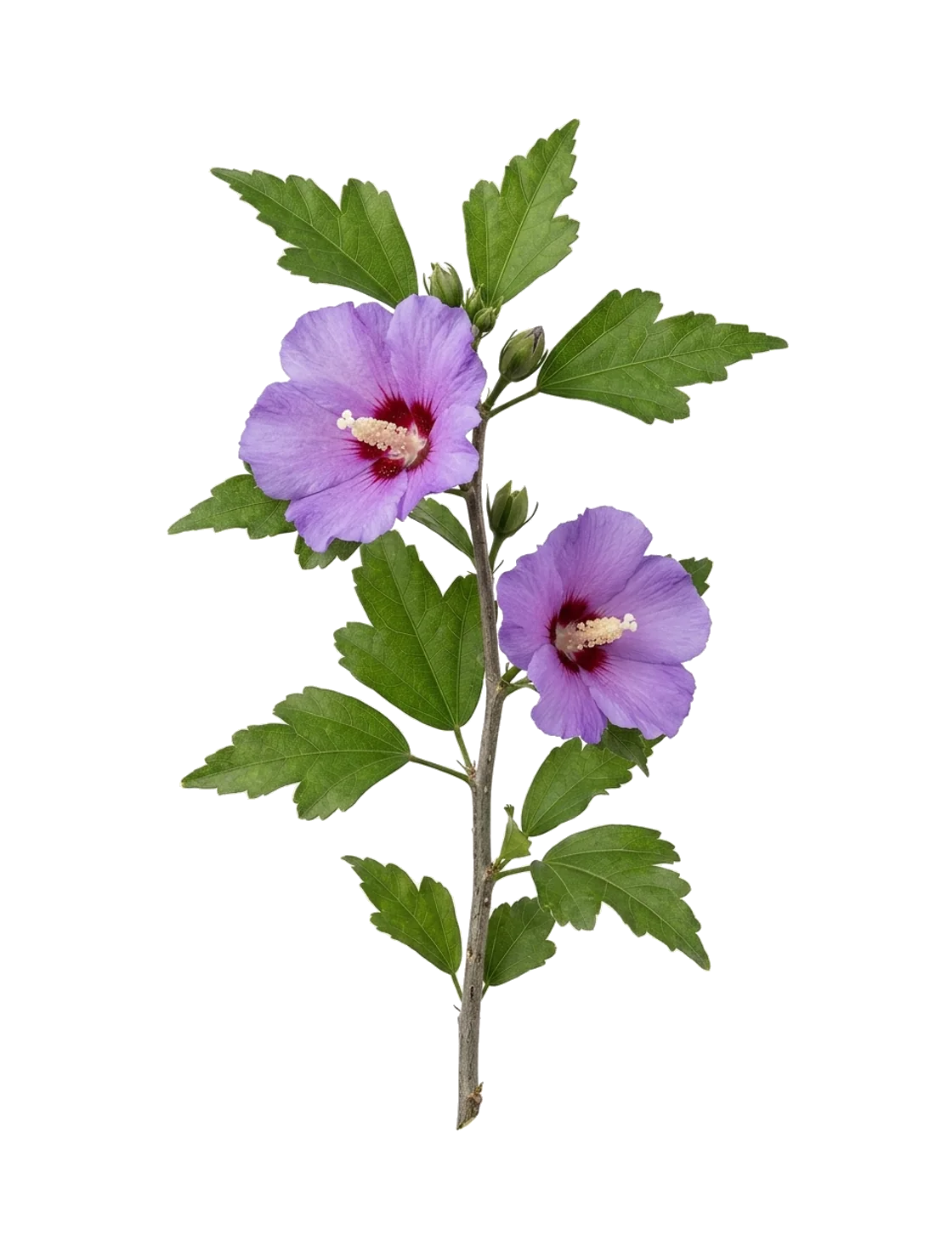
Chinese hibiscus
Hibiscus rosa-sinensis
Discover essential care tips for the Chinese hibiscus (Hibiscus rosa-sinensis), covering sunlight, watering, pruning, and winter protection.
- Light
- 6 hof direct sun
- Watering
- 2–3×a week
- Temperature
- 18–28 °Cideal temperature
- Toxicity
- Non-toxic
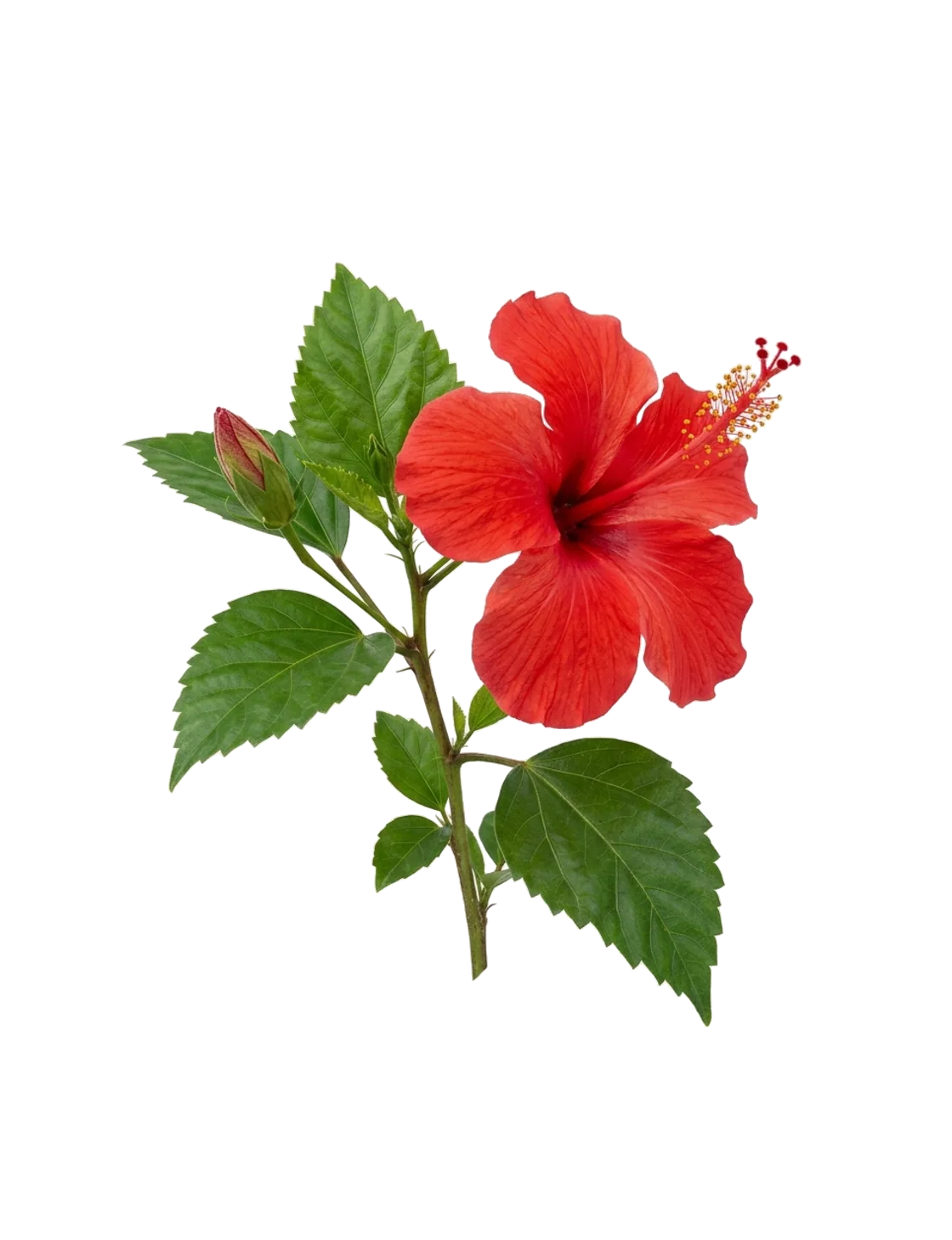
Chinese hibiscus (Hibiscus rosa-sinensis) is an evergreen flowering shrub celebrated worldwide for its large, exotic, paper-thin blossoms with prominent central stamens. Native to the warm subtropical and tropical regions of East Asia, it has become a staple garden and patio centerpiece across temperate and warm climates.
Its glossy, deep green foliage provides a rich background for blossoms that range from fiery red and magenta to warm yellows, oranges, and soft whites. Although individual blooms generally last only twenty-four to forty-eight hours, a thriving plant generates a relentless succession of new flower buds throughout the spring and summer months.
Growing Chinese hibiscus requires generous light, warmth, and consistent watering with reliable soil drainage. In frost-free zones, it thrives permanently outdoors as a dense hedge or focal shrub, while gardeners in colder climates commonly grow it in containers brought indoors before winter temperatures dip.
Did you know?Individual hibiscus blossoms typically last only a single day, yet a healthy bush produces buds continuously to replace each fallen bloom.
Care. What it needs, point by point.
- Watering
- 2–3× a weekWater thoroughly during spring and summer, usually two to three times a week, allowing the top inch of soil to dry out between sessions. Reduce watering significantly in winter to prevent root rot while the plant rests.
- Light
- 6 h of direct sunProvide full sun with at least six hours of direct light daily to stimulate continuous flowering. When grown indoors, keep it in an unshaded south- or west-facing window.
- Temperature
- 18–28 °C ideal temperatureThis tropical shrub prefers temperatures between 18 °C and 28 °C during the growing period. It cannot tolerate freezing conditions and will drop foliage when temperatures fall below 10 °C.
- Soil
- Plant in rich, well-draining potting soil amended with perlite or coarse sand to ensure surplus moisture escapes quickly.
- Fertilizer
- 2 weeks between feedsFeed every two weeks during the active blooming season with a balanced or high-potassium liquid fertilizer. Stop fertilizing in late autumn and winter.
- Pruning
- Prune lightly in late winter or early spring to shape the bush, remove dead wood, and encourage vigorous new flowering shoots.
- Propagation
- Take semi-hardwood stem cuttings in late spring or early summer for the best rooting success. Place cuttings in moist potting mix under indirect light, maintaining high humidity until roots develop.
Is Chinese hibiscus toxic to cats and dogs?
The ASPCA doesn't list this species. If your pet has chewed it and seems unwell, call your vet.
Common problems What tends to go wrong.
- Aphids
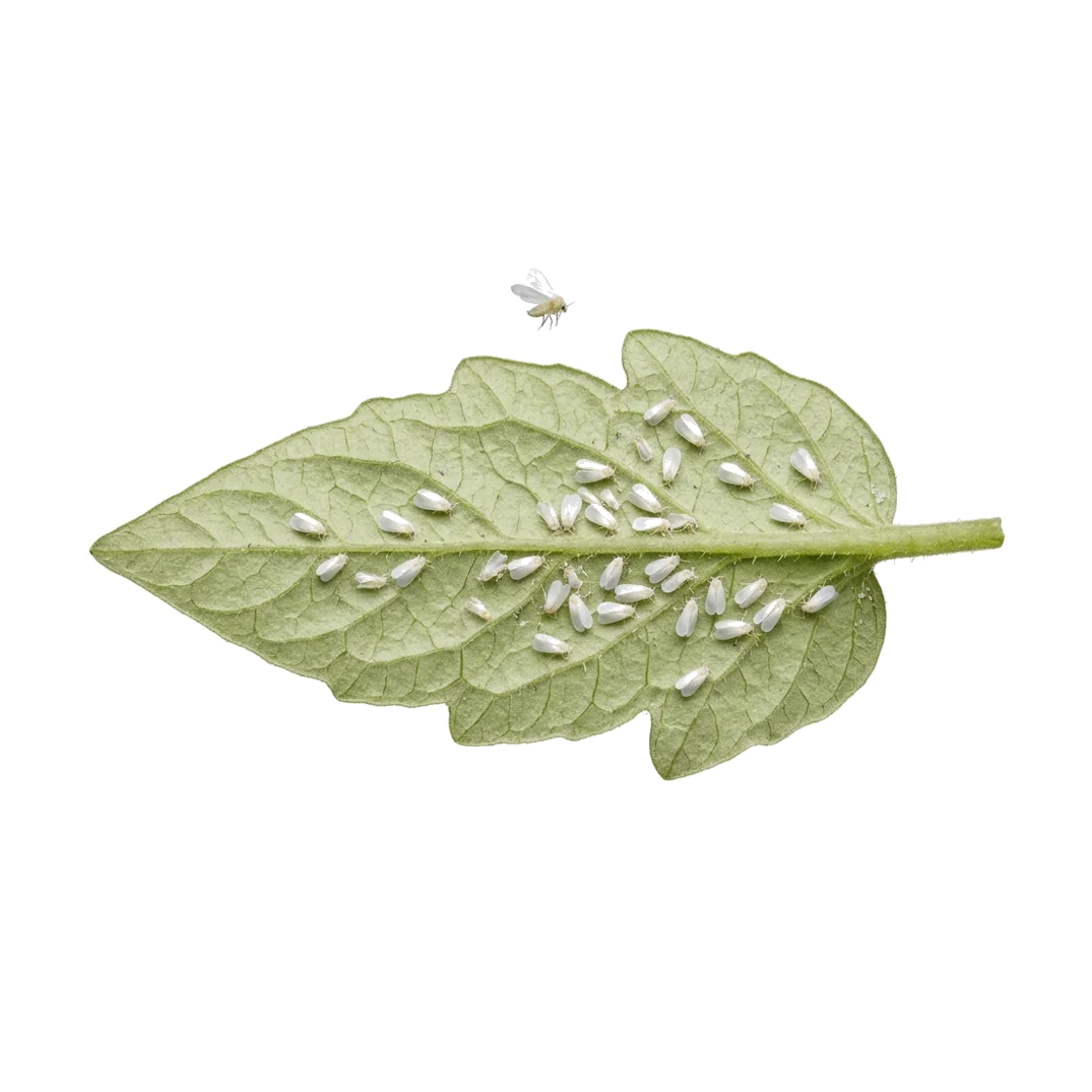
- Whitefly
- Spider mites
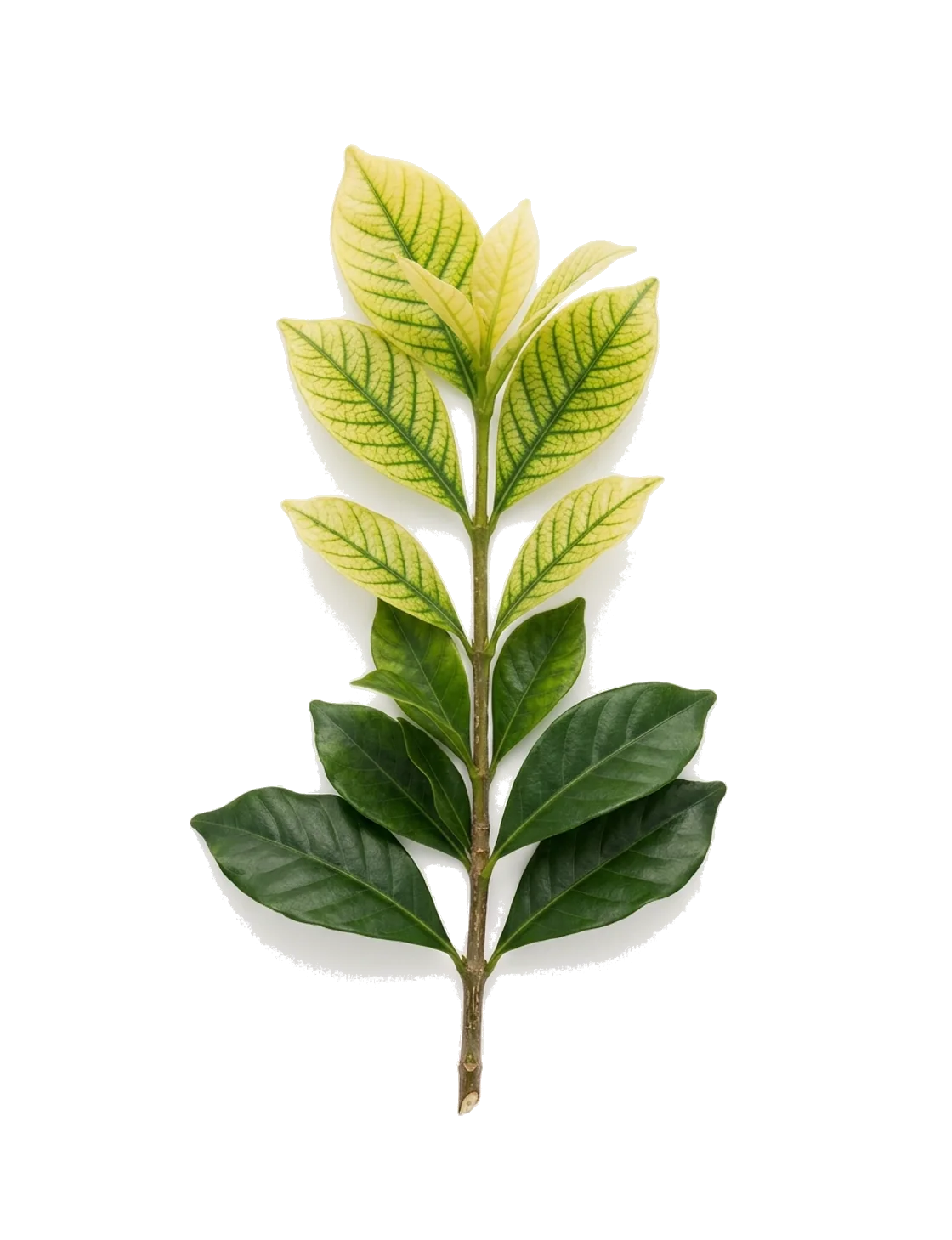
- Iron chlorosis
- Cold damage
- Overwatering




Frequently asked questions What people ask most.
Why are flower buds dropping before opening?
Premature bud drop is frequently triggered by sudden temperature fluctuations, dry soil, or shifting the container while buds develop. Keep moisture levels consistent, avoid cold drafts, and keep the plant in a fixed sunny spot.
Why are my hibiscus leaves turning yellow?
Yellow foliage is typically caused by overwatering, poor drainage, or cold shock. If veins stay green while the leaf turns pale, the plant is likely suffering from iron chlorosis, which can be corrected with chelated iron.
How long do Chinese hibiscus flowers last?
Most hibiscus flowers stay open for only one day before closing and dropping off. Despite this brief lifespan, healthy plants produce fresh buds every day throughout the warm season.
How should I care for Chinese hibiscus in winter?
Move container-grown plants indoors before night temperatures drop below 10 °C and set them in your brightest window. Cut back on watering and suspend all fertilizing until warm spring weather returns.