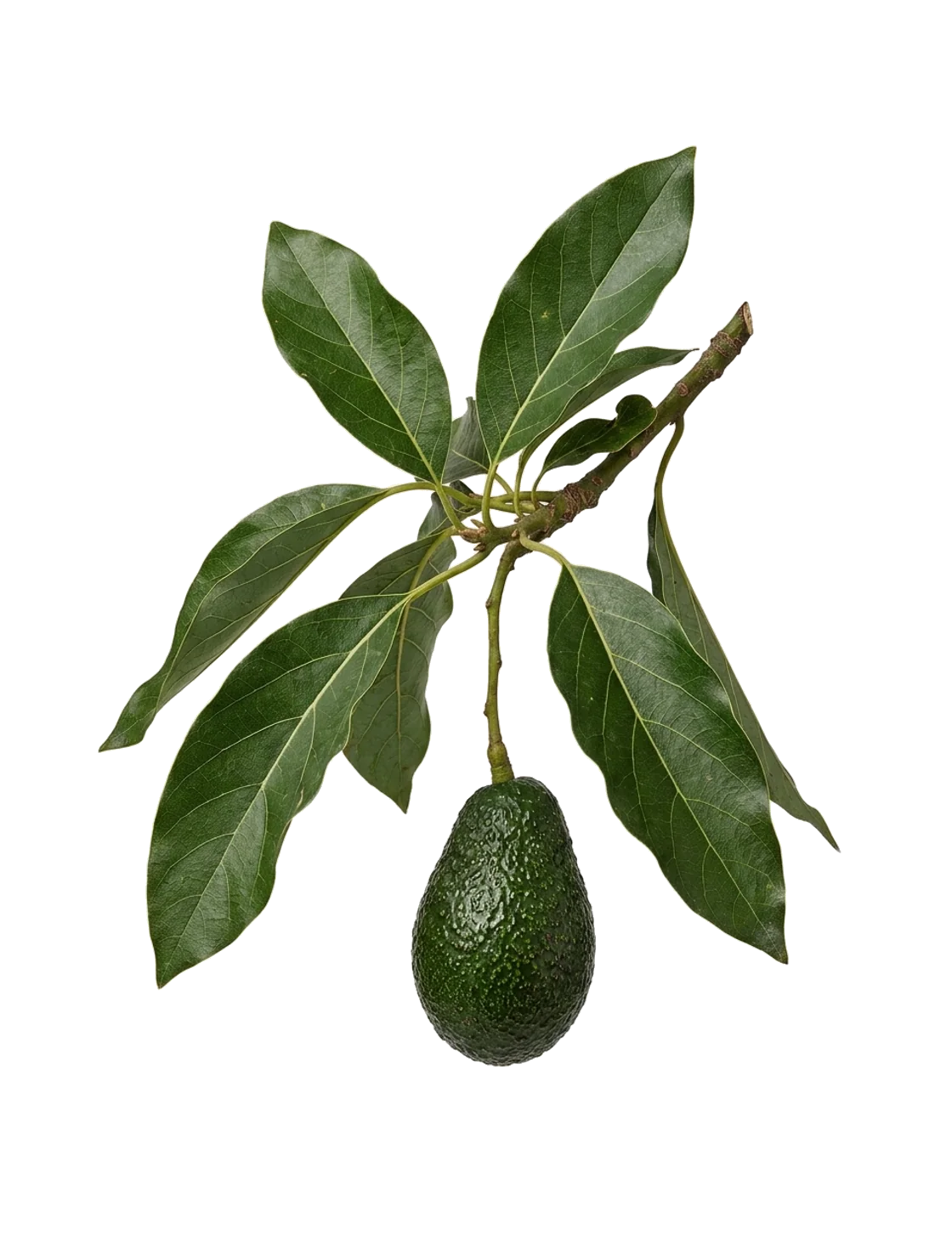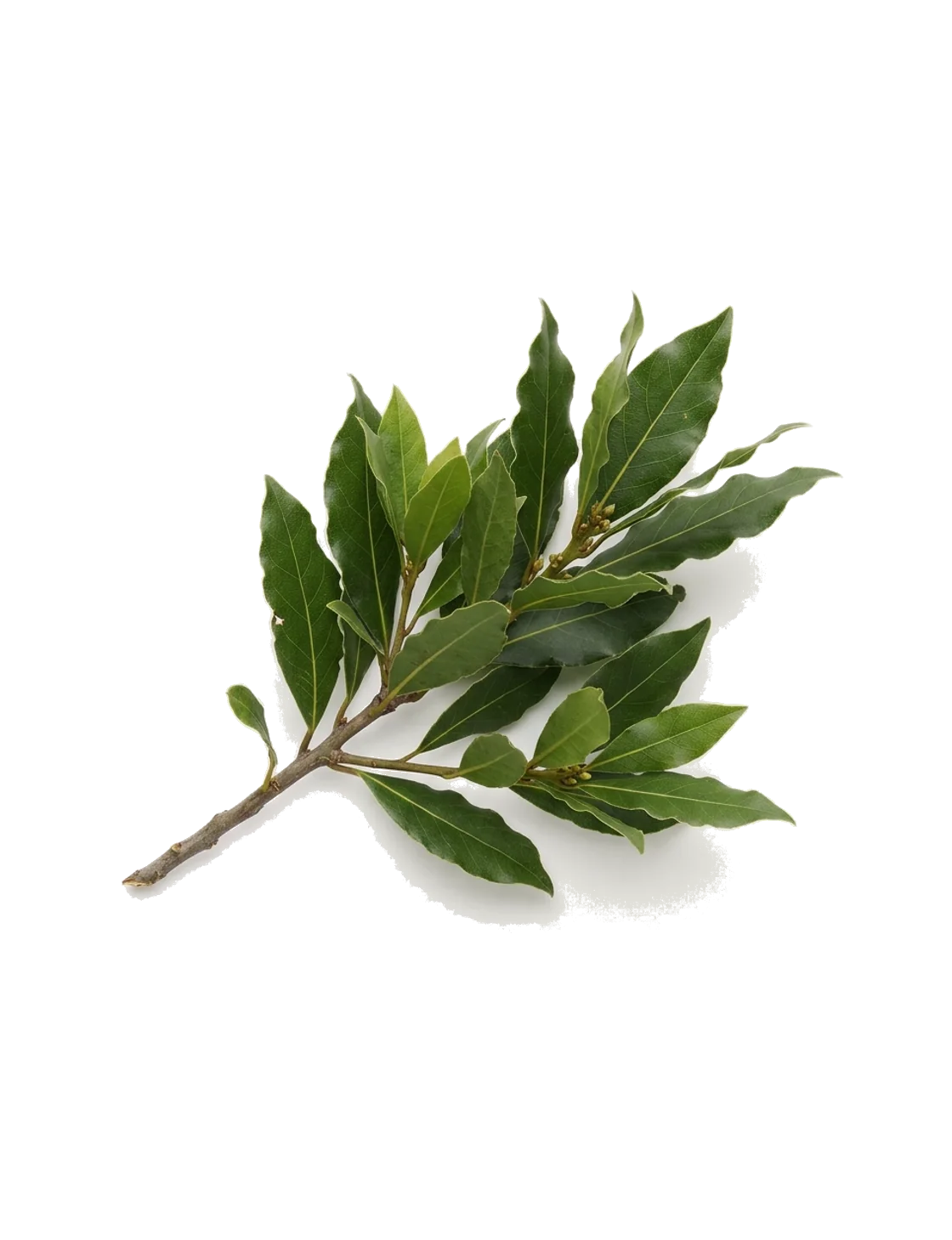
Bay laurel (Laurus nobilis) is an evergreen shrub or tree native to the Mediterranean region, celebrated worldwide for its aromatic leaves and culinary value. It features dense, glossy, deep green foliage with leathery oval leaves that release an unmistakable herbal fragrance when bruised. When planted directly in the ground, it can grow into a substantial small tree, while container-grown specimens maintain a compact, manageable structure suitable for patios.
Renowned for its toughness and longevity, this classic Mediterranean plant adapts seamlessly to diverse growing settings, including formal garden borders and urban balconies. It responds remarkably well to shearing, making it an enduring favorite for topiary forms and neat privacy hedges. In late spring, small clusters of pale yellow flowers emerge, followed on female plants by shiny, dark berries that add subtle seasonal interest.
Cultivating bay laurel is straightforward for gardeners of all experience levels, as it shows remarkable drought tolerance once well established. It asks primarily for ample direct sunlight and well-aerated soil that prevents water from lingering around its root system. With basic routine care and timely checks for common sap-sucking pests, this timeless evergreen will provide reliable beauty and fragrant harvests for decades.
Did you know?In ancient Greece and Rome, crowns woven from bay laurel leaves were presented to victorious generals, poets, and athletes as a mark of highest honor.
Care. What it needs, point by point.
- Watering
- Water moderately once the top three to four inches of soil feel dry to the touch. In warm summer months, watering once weekly in the ground or twice in containers is typically sufficient, reducing frequency during winter dormancy. Always avoid allowing water to stand in saucers to prevent root rot.
- Light
- Full sunPosition your bay laurel in full sun to encourage dense growth and intense leaf aroma, though it accepts partial shade in very hot climates. If keeping it indoors, place it near an unobstructed south-facing window with several hours of direct light.
- Temperature
- 15–25 °C ideal temperatureIt thrives best in temperatures between 15 °C and 25 °C during the active growing season. Established plants tolerate short frosts down to -5 °C, but potted specimens need shelter from freezing winds.
- Soil
- Use a rich, gritty potting mix with excellent drainage, incorporating perlite or coarse sand to prevent compaction. Bay laurel adapts readily to various soil types, from slightly acidic to chalky and alkaline.
- Fertilizer
- Feed monthly from early spring through late summer using a balanced all-purpose fertilizer diluted to half strength. Suspend feeding entirely through autumn and winter to respect its natural dormant rest.
- Pruning
- Prune in late winter or early spring to shape the canopy, promote bushiness, and remove dead or crowded branches. Light trimming in midsummer helps maintain crisp lines on formal topiaries and hedges.
- Propagation
- Propagate by taking semi-hardwood cuttings in late summer, treating the cut ends with rooting hormone before inserting them into a moist, sandy medium. Seed propagation is also possible in spring, though germination can be erratic and slow.
Where it grows. In the wild and in homes.
In the wild it grows in Europe, temperate Asia, and Africa, in a subtropical climate.
People have also taken it to 11 more regions where it now grows on its own: Europe, temperate Asia, Africa, and tropical Asia.
Range: Plants of the World Online, Royal Botanic Gardens, Kew
Is Bay laurel toxic to cats and dogs?
Toxic to cats and dogs.

Cats
Toxic

Dogs
Toxic
Usual signs
Vomiting and diarrhea; ingestion of large quantities of whole leaves can cause obstruction.
If your pet has chewed it and shows symptoms, call your vet or the nearest emergency vet.
Source · ASPCA Animal Poison Control
Common problems What tends to go wrong.
- Mealybugs and scale
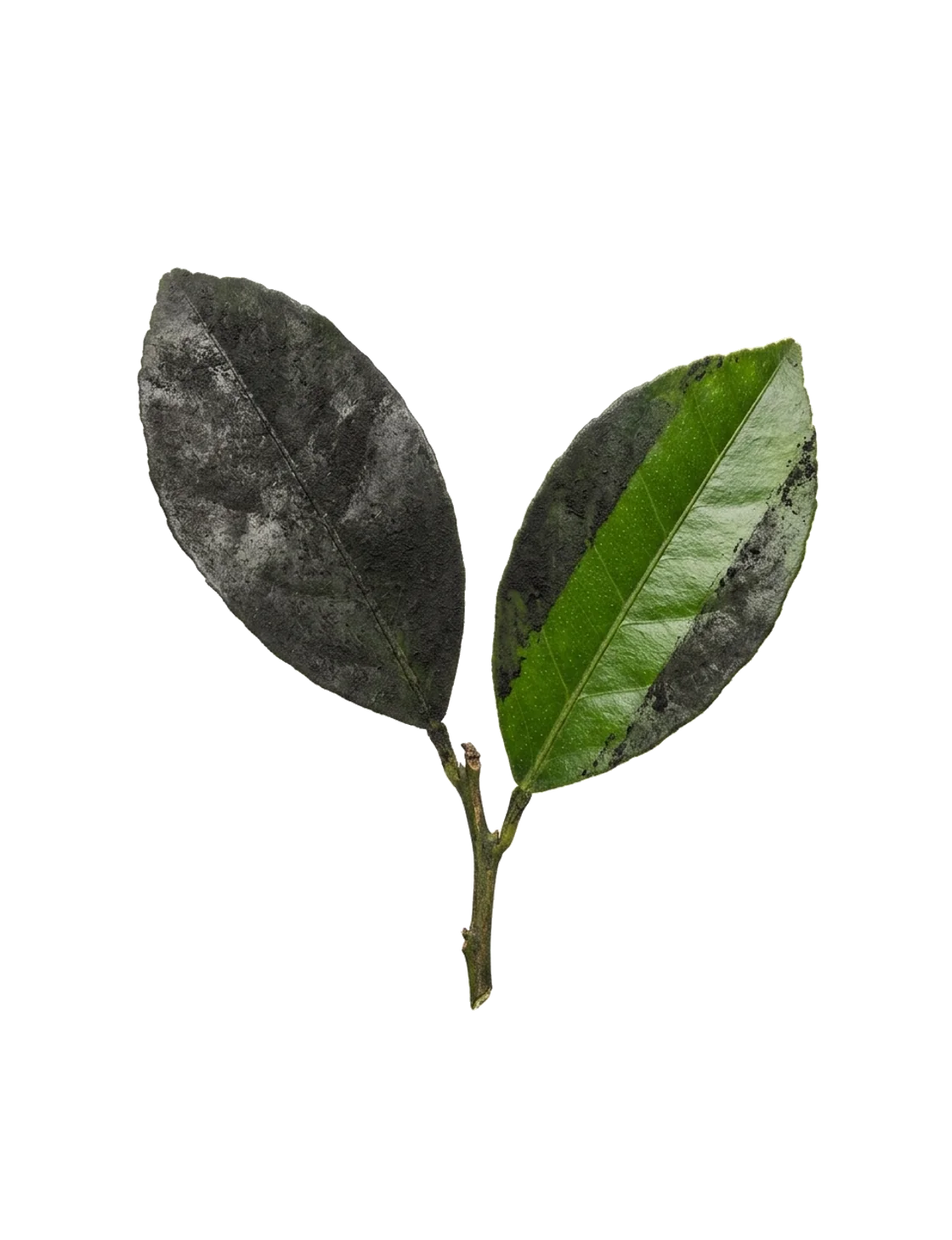
- Sooty mould
- Root rot
- Cold damage



Frequently asked questions What people ask most.
Why are my bay laurel leaves turning yellow?
Widespread yellowing foliage is most commonly triggered by overwatering or compacted soil that deprives roots of oxygen. Allow the soil to dry out between waterings and ensure drainage holes remain clear.
How do I treat scale insects on bay laurel?
Scale insects cling to stems and undersides of leaves as small brown bumps, often accompanied by black sooty mold. Treat the plant with insecticidal soap or horticultural oil, and gently scrape off heavy infestations using a cotton swab dipped in rubbing alcohol.
Can bay laurel live permanently in a container?
Yes, bay laurel grows happily in pots for years provided the container has ample drainage and adequate volume. Repot every two to three years into a slightly larger pot, or refresh the top layer of potting mix annually.
When and how should I harvest bay leaves?
Leaves can be harvested throughout the year as needed, though mature leaves picked in midsummer boast the richest essential oil concentration. Dry harvested leaves flat in a warm, shaded, well-ventilated spot before storing them in an airtight container.