Avocado tree
Persea americana
Learn how to care for your avocado tree at home or in the garden. Expert guide covering watering, sunlight, soil needs, and common problem fixes.
- Light
- Full sun
- Watering
- 1×a week
- Temperature
- 18–28 °Cideal temperature
- Toxicity
- Non-toxic
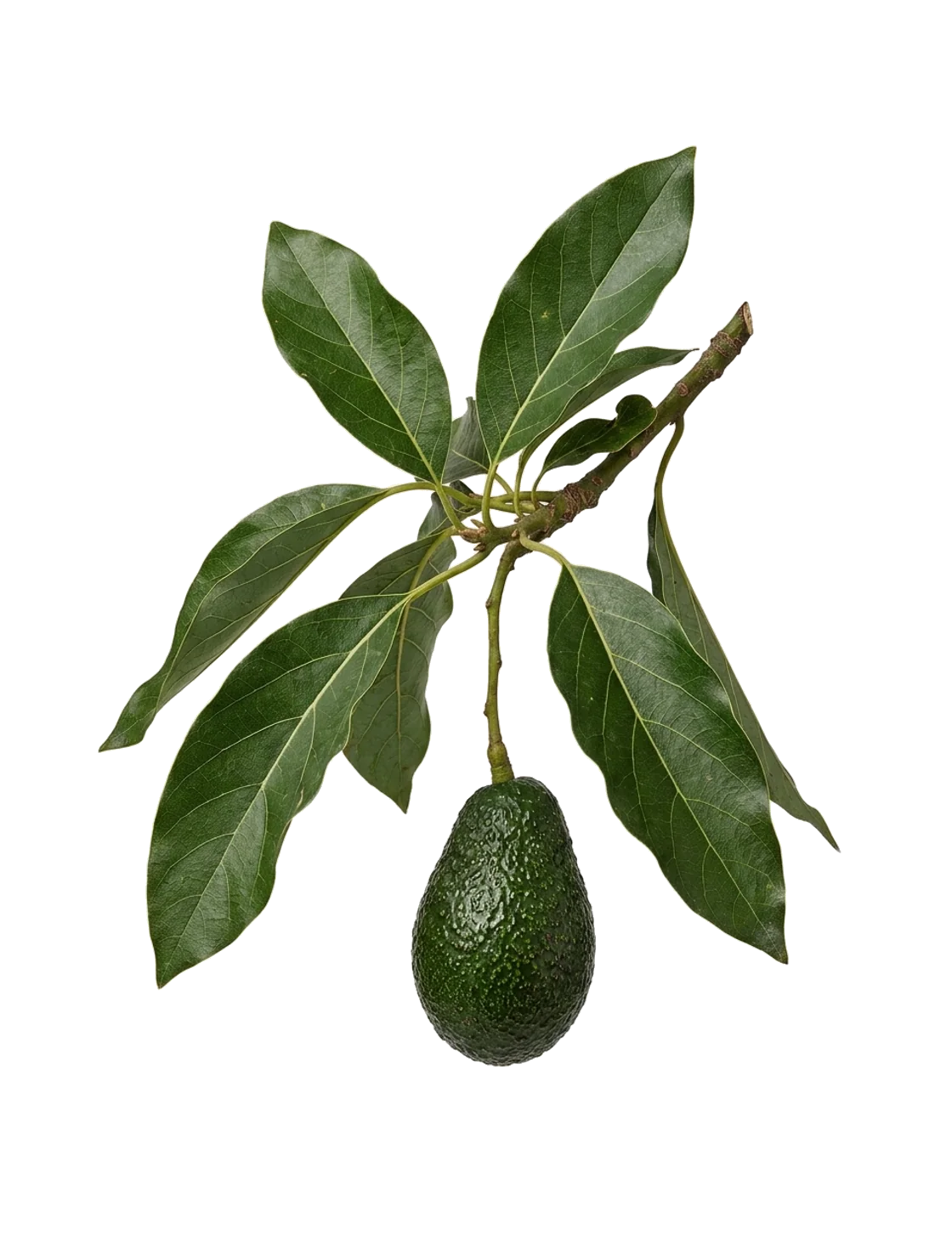
The avocado tree is an evergreen species native to the highlands of Mesoamerica. While it can easily reach over fifty feet in height when planted in open ground, it has become an extremely popular indoor and patio potted specimen thanks to its lush, tropical appearance and handsome canopy.
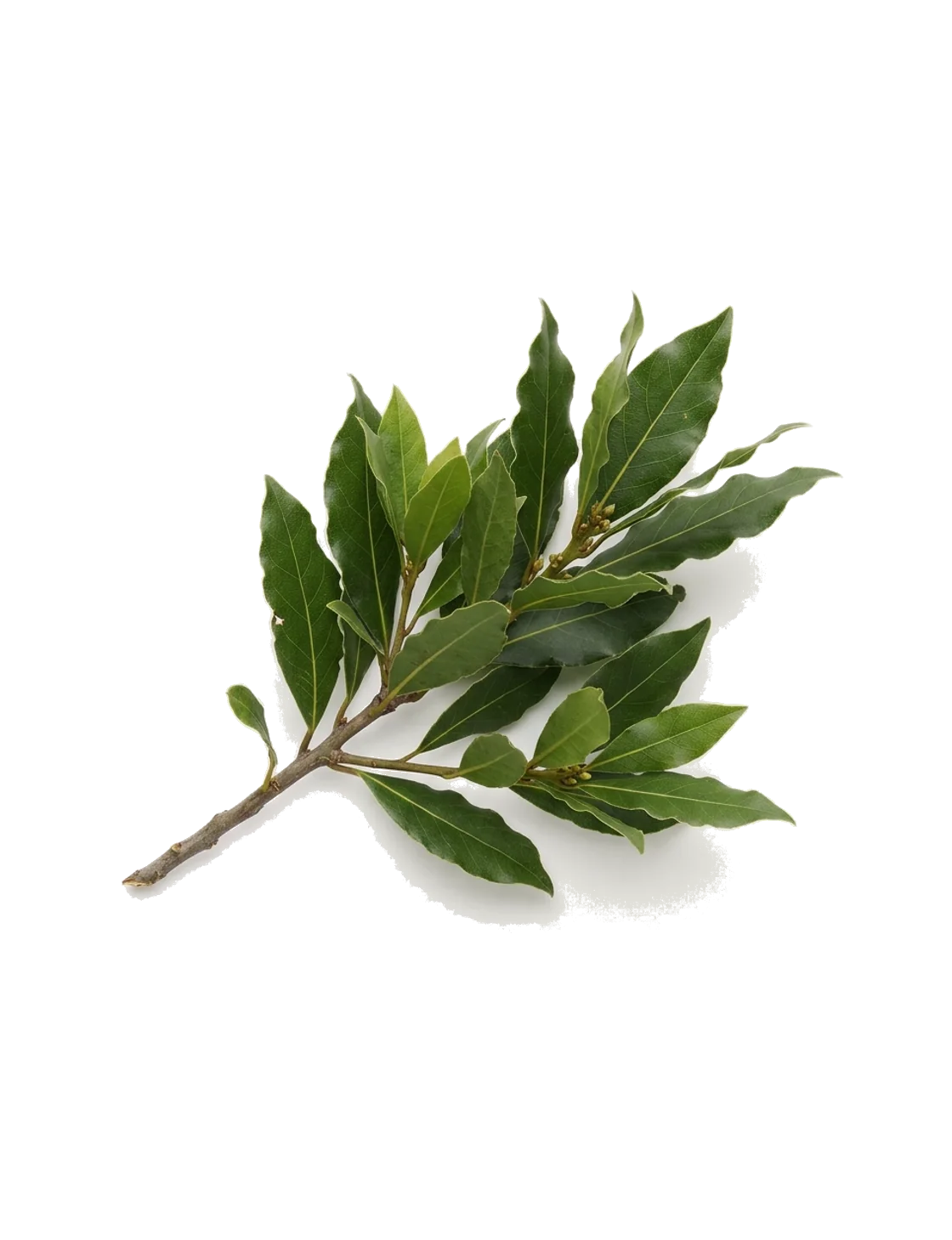
Its foliage consists of broad, glossy, elliptic leaves that emerge with a reddish hue before turning deep green. The avocado's root system is notably shallow and sensitive, lacking extensive root hairs, which means it relies heavily on well-aerated, porous growing media to absorb moisture and nutrients without suffocating.
Whether grown outdoors in mild climates or kept in a bright room as an ornamental container plant, it demands bright light and superior drainage. Waterlogged soil is the primary reason potted avocados decline, making measured watering and protection from cold drafts essential for long-term health.
Did you know?Avocado flowers exhibit protogynous dichogamy, opening as functionally female on their first day and reopening as functionally male the next day to promote cross-pollination.
Care. What it needs, point by point.
- Watering
- 1× a weekWater deeply only after the top two inches of soil have completely dried out. This typically means once a week during warm months and every ten to fourteen days in winter. Never let the pot sit in standing drainage water.
- Light
- Full sunProvide full sun outdoors or the brightest spot possible indoors, ideally in front of an unobstructed south-facing window. Insufficient light causes weak, leggy stems and leaf shedding.
- Temperature
- 18–28 °C ideal temperaturePrefers warm temperatures between 18 °C and 28 °C (65 °F to 82 °F). Most varieties suffer foliage damage below 2 °C (35 °F) and cannot tolerate freezing temperatures.
- Soil
- pH 6.0–7.0Use an airy, well-draining potting blend containing quality potting soil, perlite, and coarse bark or pumice. It performs best in a slightly acidic to neutral pH between 6.0 and 7.0.
- Fertilizer
- Feed with a balanced fertilizer formulated for citrus or fruit trees once a month from spring through late summer. For container plants, dilute to half strength to prevent salt accumulation.
- Pruning
- Pinch the growing tips during spring to encourage branching and a bushier habit rather than a single upright stem. Remove dead or damaged branches in late winter.
- Propagation
- Easily started from seed using the toothpicks-and-water method or directly into moist potting mix in spring. Producing identical fruit-bearing trees requires grafting scion wood onto hardy rootstocks.
Where it grows. In the wild and in homes.
In the wild it grows in Central America and Mexico, in a seasonally dry tropical climate.
People have also taken it to 64 more regions where it now grows on its own: South and Central America and the Caribbean, Africa, the Pacific, and tropical Asia.
Range: Plants of the World Online, Royal Botanic Gardens, Kew
Is Avocado tree toxic to cats and dogs?
The ASPCA doesn't list this species. If your pet has chewed it and seems unwell, call your vet.
Common problems What tends to go wrong.
- Root rot
- Overwatering
- Salt or fertiliser build-up
- Cold damage
- Spider mites




Frequently asked questions What people ask most.
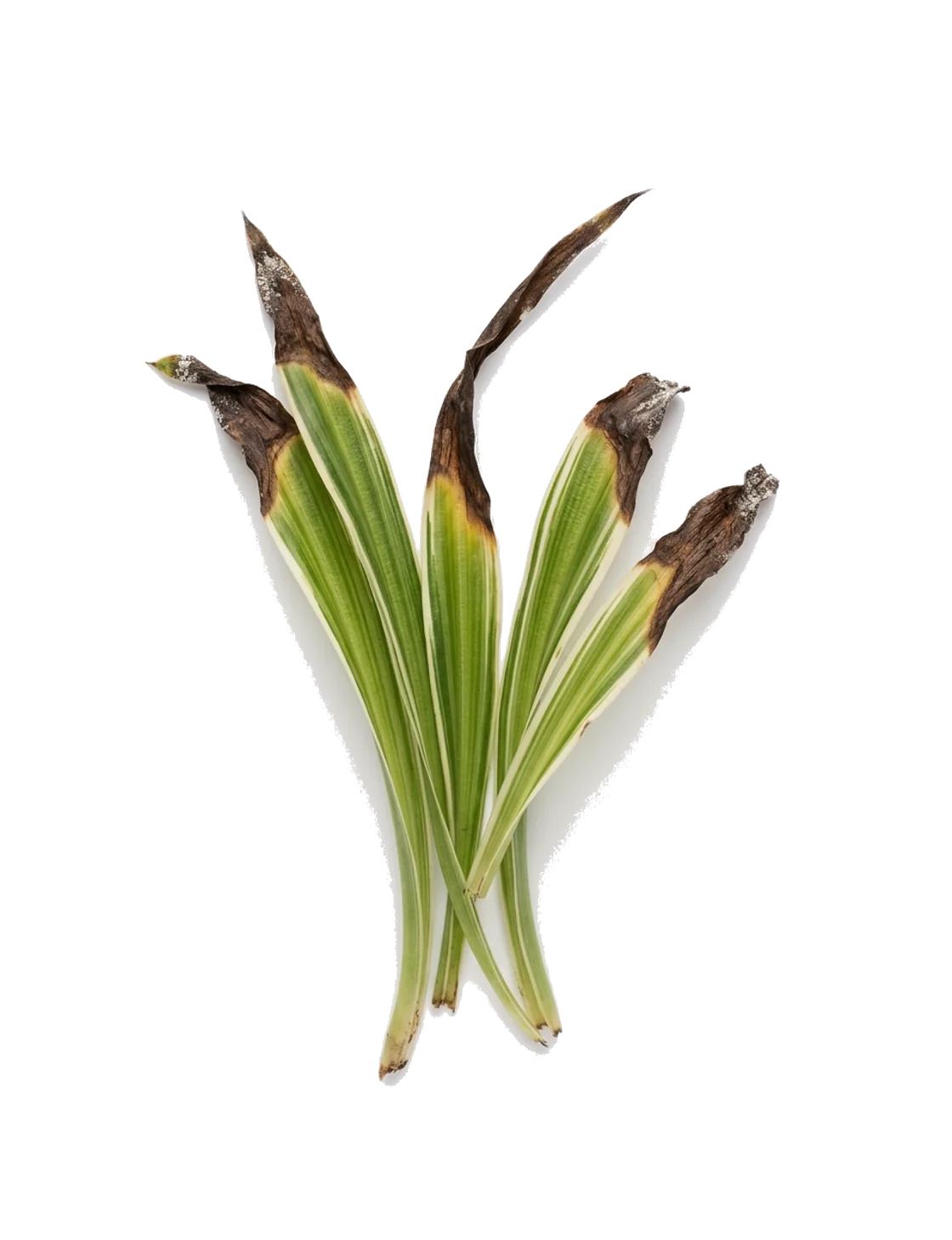
Why are the tips of my avocado leaves turning brown and crispy?
This is most commonly caused by salt and mineral accumulation from tap water or fertilizer. Dry indoor air and underwatering can also contribute. Flush the potting soil thoroughly with clean, filtered water to leach out excess salts.
Why are leaves dropping from my avocado plant?
Leaf drop is usually a sign of overwatering and root suffocation. When soil stays waterlogged, damaged roots cannot support the leaves, causing them to turn pale and fall. Allow the soil to dry out significantly between waterings.
Will an avocado tree grown from seed indoors produce fruit?
It is very unlikely for an indoor potted avocado to produce fruit due to space, light, and pollination requirements. Seed-grown trees typically take seven to ten years to mature sexually, so indoor plants are best enjoyed as foliage ornamentals.
When should I repot my avocado tree?
Repot in early spring just as active growth resumes, usually every one to two years for young specimens. Move up to a pot only one to two inches wider, taking extreme care not to disturb or break the delicate root ball.