Urn plant
Aechmea fasciata
Urn plant (Aechmea fasciata) care: tank watering, light and pups for long-lasting pink blooms in bright rooms of the home season after season.
- Light
- Indirect
- Temperature
- 16–27 °Cideal temperature
- Toxicity
- Non-toxic
- Difficulty
- Easy
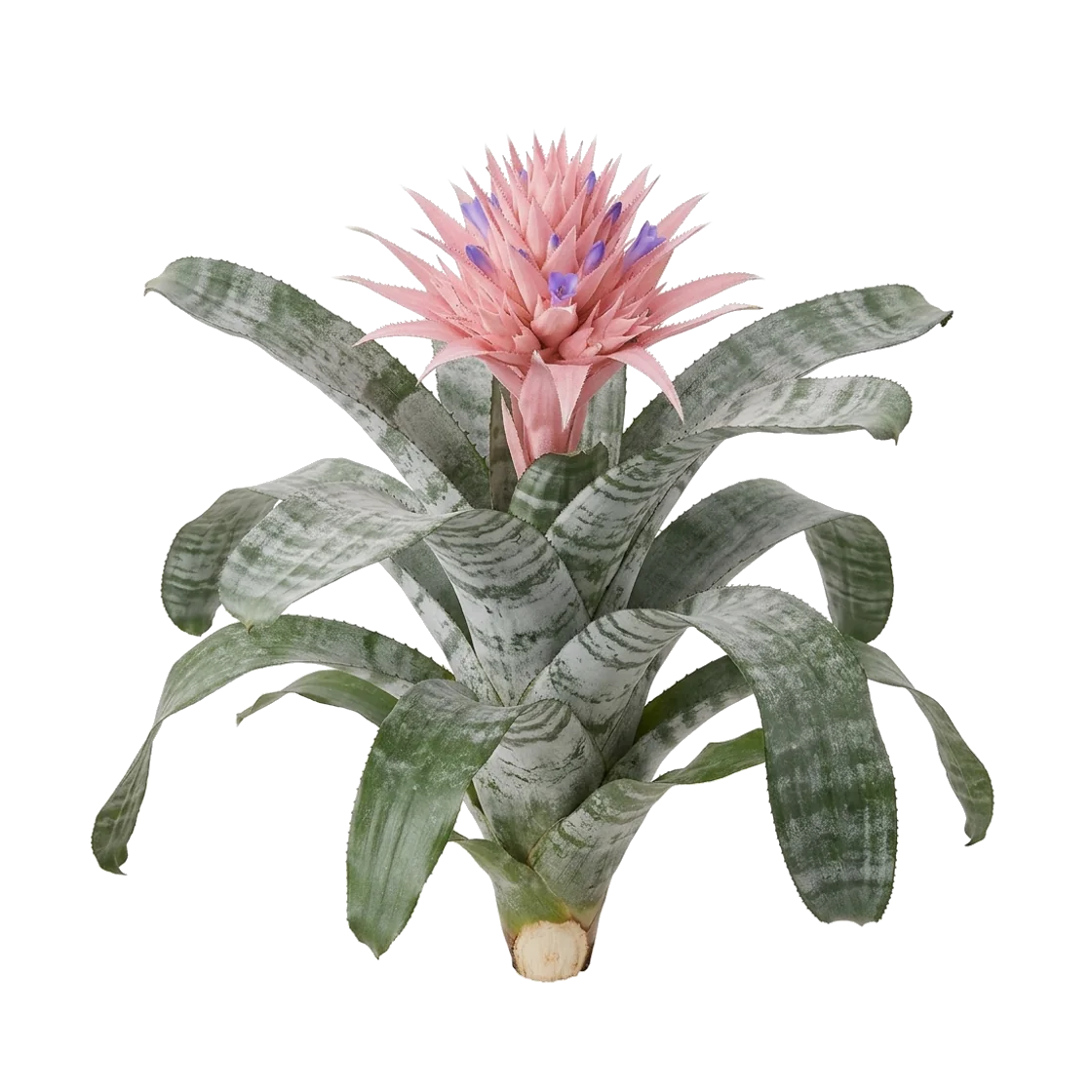
Urn plant (Aechmea fasciata) is a rosette bromeliad with broad, stiff, grey-green leaves banded in silver. It belongs to the Bromeliaceae family and comes from south-eastern Brazil, where it grows as an epiphyte on trees. Its flowering is spectacular: a spike of pink bracts from which small blue flowers emerge in succession. The silvery bands are tiny scales that absorb moisture.
At home it asks for bright, indirect light and steady temperatures between 16 and 27 °C. The rosette forms a central tank that should always hold a little soft water, renewed every week or two. Keep the potting mix just barely moist all year, since the roots serve mostly as anchors. Use rainwater or soft tap water for best results.
The flower spike lasts several months, but the mother rosette dies after blooming and leaves pups at its base. Avoid moving the plant while it flowers or soaking the bracts. Potting up the pups in time keeps the collection going without buying new plants each season.
Did you know?In the wild, its central tank collects water and debris that shelter small frogs and other canopy dwellers.
Care. What it needs, point by point.
- Watering
- Always keep a little soft water in the central tank, renewed every week or two. Wet the potting mix only when its surface feels dry. In winter, reduce both, without ever emptying the tank fully.
- Light
- IndirectIt needs bright, indirect light to grow and flower. Strong direct sun burns the leaves and bleaches the silver bands.
- Temperature
- 16–27 °C ideal temperatureIt prefers steady temperatures between 16 and 27 °C. Never expose it to less than 12 °C or to cold drafts.
- Soil
- Use a very loose, airy mix, such as an orchid or bromeliad blend with bark. The roots need air more than constant moisture.
- Fertilizer
- Feed once a month in spring and summer with diluted fertilizer, ideally into the tank water. Do not feed in autumn and winter.
- Pruning
- It needs no pruning: only remove dried lower leaves and the faded spike after flowering. Cut cleanly at the base with disinfected tools.
- Propagation
- Propagate by separating the basal pups once they reach a third of the mother plant. Pot them in a loose mix and water moderately.
Where it grows. In the wild and in homes.
In the wild it grows in Brazil, in a wet tropical climate.
People have also taken it to one more region where it now grows on its own: the Caribbean.
Range: Plants of the World Online, Royal Botanic Gardens, Kew
Is Urn plant toxic to cats and dogs?
The ASPCA doesn't list this species. If your pet has chewed it and seems unwell, call your vet.
Common problems What tends to go wrong.
- Overwatering
- Root rot
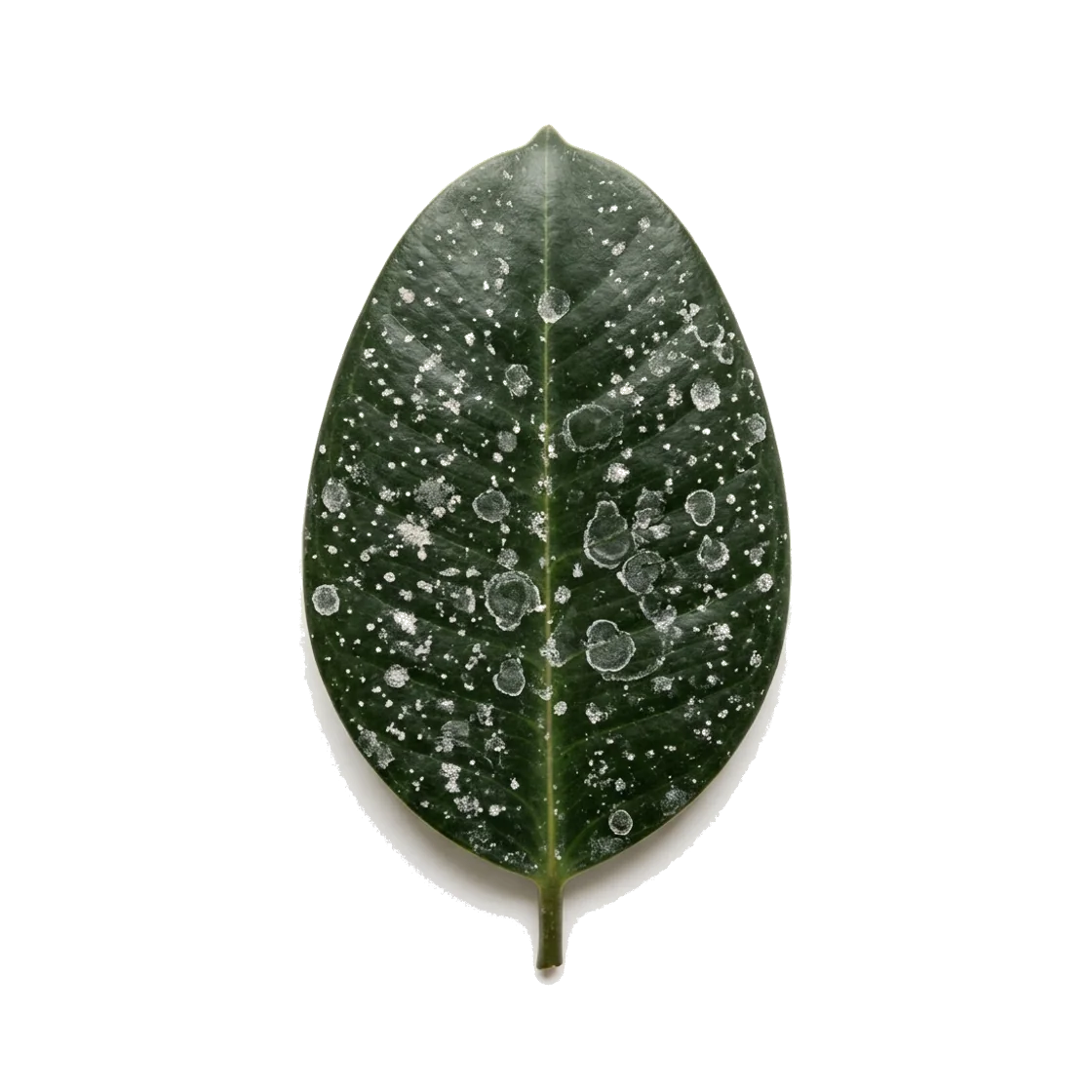
- Mealybugs and scale
- Hard water



Frequently asked questions What people ask most.
How long does the flower last?
The spike of pink bracts stays showy for three to six months. The small blue florets last little, but they open in succession. Avoid wetting the bracts so they keep their colour longer.
Should I pour water into the centre of the rosette?
Yes, the central tank should always hold a little soft water, rainwater being best. Renew it every week or two so it never stagnates or breeds mosquitoes. In winter, keeping a shallow minimum is enough.
Does it die after flowering?
The mother rosette withers after blooming; that is its natural cycle. Beforehand it produces pups at its base to replace it. Separate the pups once they measure a third of the mother and pot them on.
Why are the tips turning brown?
Dry air, hard water or excess fertilizer are the usual causes. Switch to soft water and do not overfeed. Trim the dried tips following the shape of the leaf.
What light does it need to flower?
It needs plentiful indirect light; in dim light it never forms its spike. Strong direct sun burns the leaves and bleaches the silver bands. A bright window without midday sun is ideal.