
Silver birch
Betula pendula
Learn how to grow and care for the silver birch (Betula pendula): watering needs, sunlight, soil preferences, and seasonal pruning guidelines.
- Light
- Full sun
- Watering
- 2–3×a week
- Temperature
- 10–22 °Cideal temperature
- Toxicity
- Non-toxic
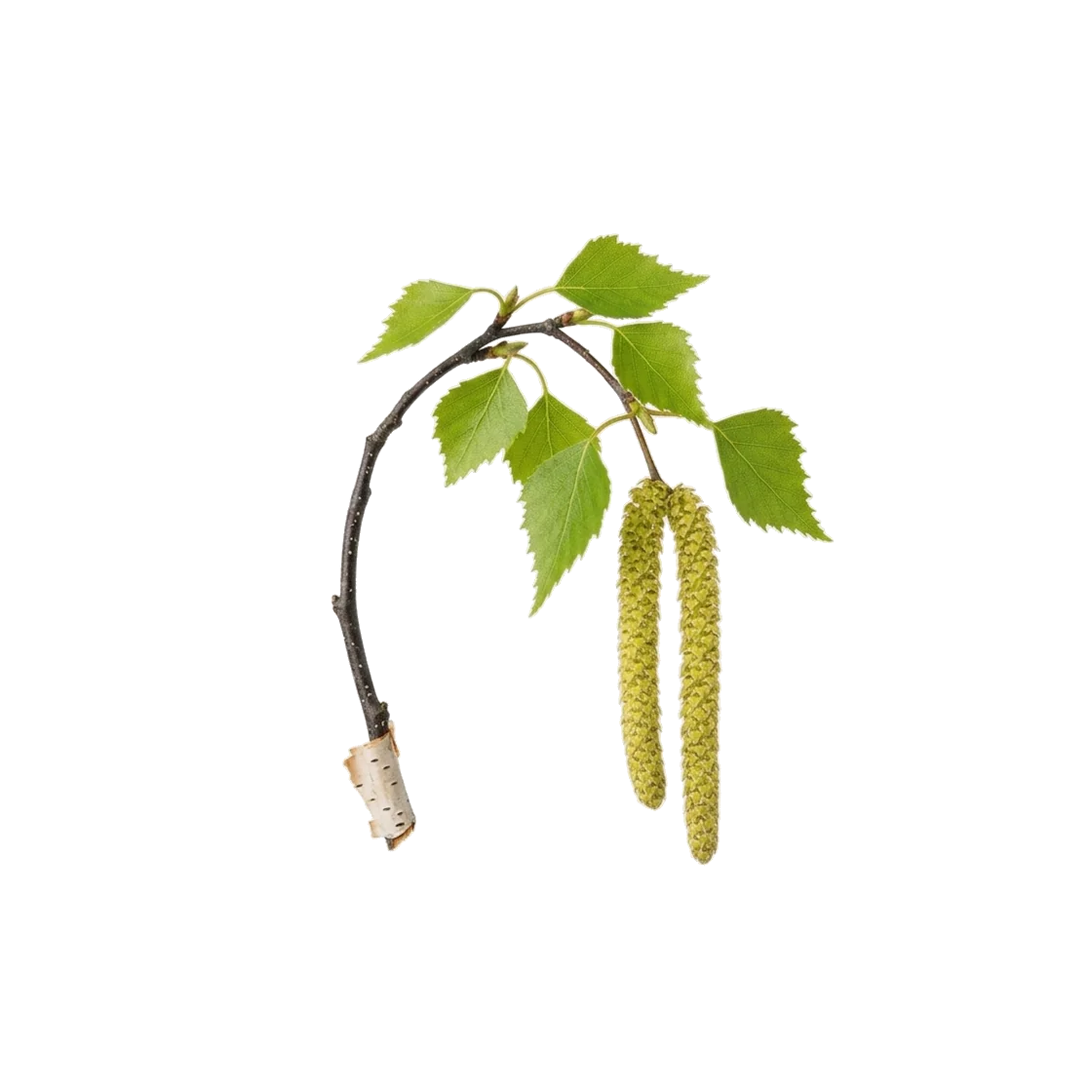
The silver birch (Betula pendula) is a graceful deciduous tree native to Europe and temperate Asia, widely celebrated for its distinctive peeling white bark and elegant, weeping habit. As the tree matures, its chalk-white bark develops dramatic dark fissures near the base of the trunk, providing striking year-round visual interest in open landscape settings.
Its pendulous branches carry triangular, serrated leaves that flutter in the gentlest breeze, creating light, dappled shade rather than dense shadow. In autumn, the vibrant foliage transforms into a luminous golden-yellow display before dropping to reveal a delicate winter silhouette. Because its root system is shallow and spreading, it depends heavily on topsoil moisture.
Silver birch is an adaptable, fast-growing pioneer species that works beautifully as a single specimen or grouped in naturalistic woodland copses. While exceptionally cold-hardy, it struggles in regions with prolonged summer heat and severe drought, so proper placement and reliable moisture are essential for its longevity.
Did you know?Birch bark contains betulin, a natural compound that makes it water-resistant and historically popular for crafting canoes, roofing, and durable paper.
Care. What it needs, point by point.
- Watering
- 2–3× a weekKeep the soil consistently moist, especially during dry spells and throughout the tree's first few establishment years. Because silver birches have shallow roots, water deeply two to three times a week in hot weather and reduce during damp seasons.
- Light
- Full sunPlant in full sun to encourage vigorous growth and the brightest white bark development. In hot summer climates, light afternoon shade can protect the root zone from excessive heat stress.
- Temperature
- 10–22 °C ideal temperatureThis tree thrives in cool to cold climates and tolerates severe winter frosts down to -30 °C with ease. Its preferred temperature range is between 10 °C and 22 °C, and it often struggles in areas with sustained temperatures above 32 °C.
- Soil
- Provide fertile, well-draining soil with an acidic to neutral pH level. It adapts to sandy and loamy soils but struggles in heavy, waterlogged clay or overly alkaline conditions.
- Fertilizer
- Top-dress the root zone with organic compost or well-rotted manure each spring to replenish nutrients. Avoid high-nitrogen fertilizers in late summer, as fresh soft growth can easily be damaged by early autumn frosts.
- Pruning
- Prune only in late summer or early autumn to remove crossing, damaged, or dead branches. Never prune during late winter or spring, as the tree will bleed excessive sap from cut branches.
- Propagation
- Propagate by sowing cold-stratified seeds in late winter or early spring into moist compost. Semi-ripe cuttings can also be rooted in summer, though seed propagation is generally much more reliable.
Where it grows. In the wild and in homes.
In the wild it grows in Europe, temperate Asia, North America, and South and Central America and the Caribbean, in a temperate climate.
People have also taken it to 16 more regions where it now grows on its own: North America, Australasia, and South and Central America and the Caribbean.
Range: Plants of the World Online, Royal Botanic Gardens, Kew
Is Silver birch toxic to cats and dogs?
The ASPCA doesn't list this species. If your pet has chewed it and seems unwell, call your vet.
Gallery As the community sees it.
Photo · Percita at Flickr · CC BY-SA 2.0
Common problems What tends to go wrong.
- Aphids
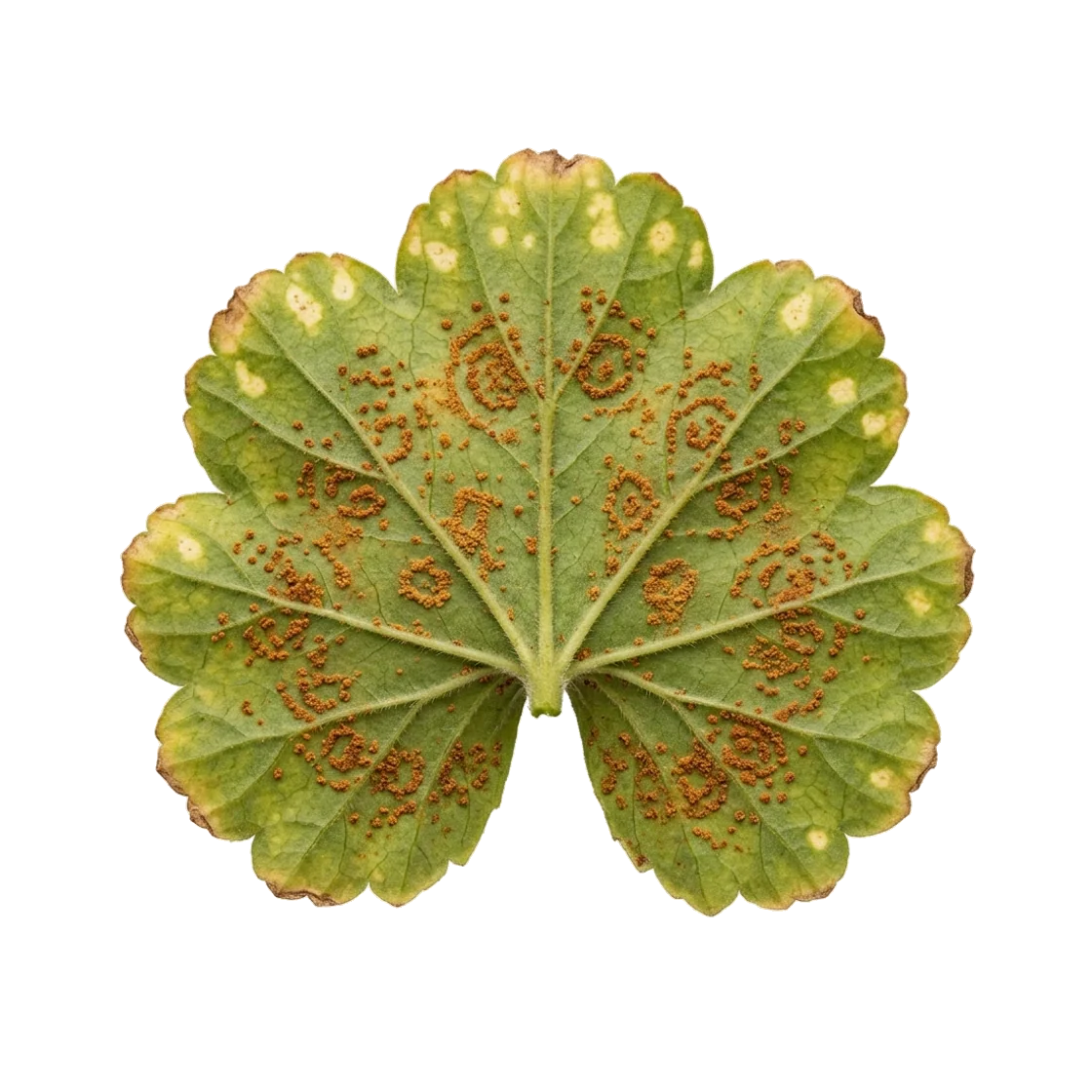
- Rust
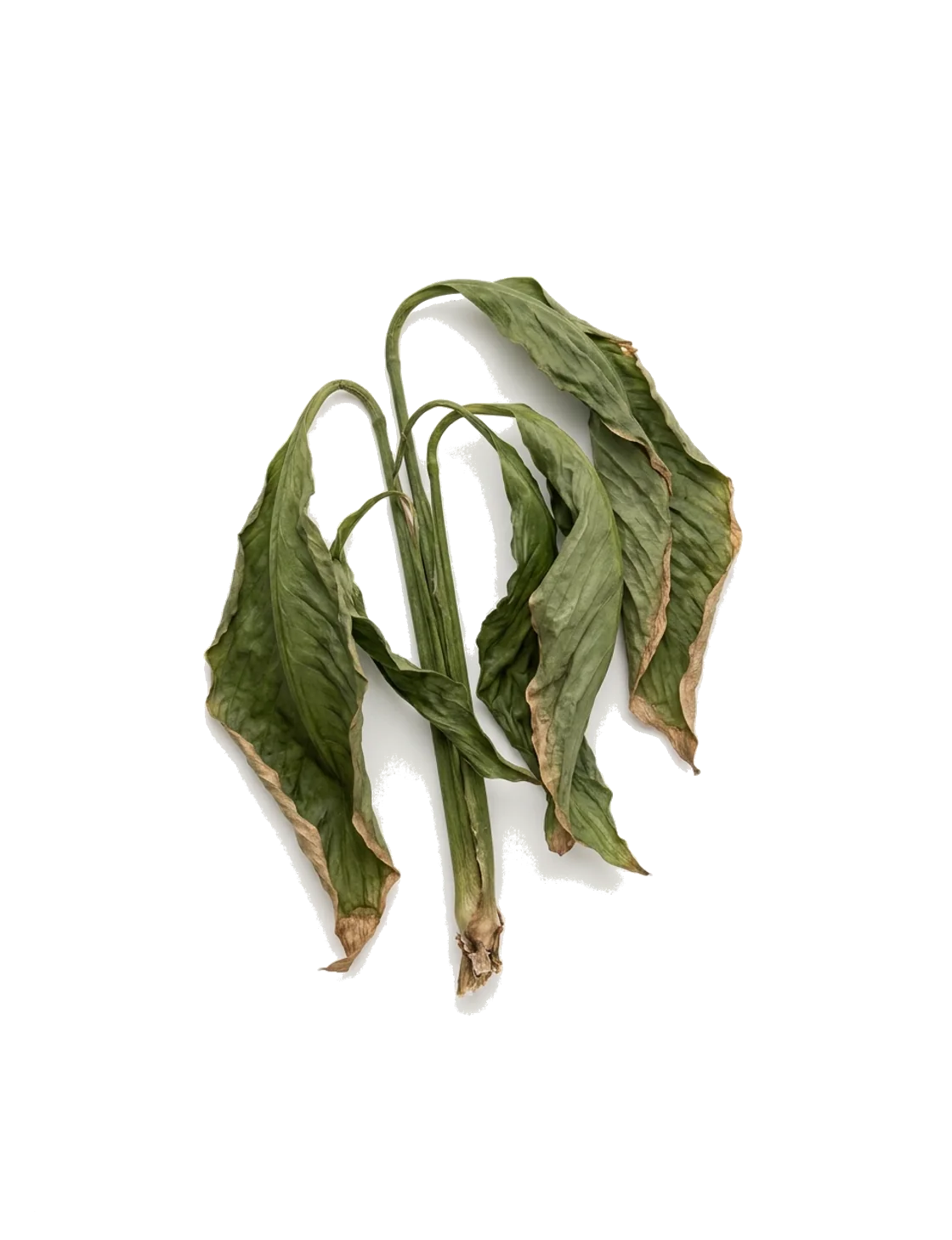
- Underwatering
- Powdery mildew


Frequently asked questions What people ask most.
Why is sap leaking from my birch after pruning?
Birch trees exhibit high root pressure in late winter and spring, causing wounds to bleed copious amounts of sap. To prevent moisture loss and stress, always schedule pruning for late summer or early autumn.
Why are the branch tips drying out in summer?
Drying tips are usually caused by heat stress and insufficient moisture, as the tree's shallow root system cannot tap deep underground reserves. Apply a thick layer of organic mulch around the base and provide deep, regular irrigation during hot spells.
How much room does a silver birch need?
A mature silver birch can reach heights of 15 to 25 meters with a canopy spread of 5 to 7 meters. Plant it at least 6 meters away from foundations, driveways, and pipes to accommodate its root spread.
What causes yellow and orange pustules on the leaves?
This is typically birch rust (Melampsoridium betulinum), a common fungal disease that flourishes in damp, humid conditions. Clean up fallen foliage in autumn, ensure good air circulation, and avoid wetting the leaves when watering.