
Japanese barberry
Berberis thunbergii
Learn how to care for Japanese barberry (Berberis thunbergii) with practical tips on sunlight, watering, pruning, and soil for a vibrant garden.
- Light
- Full sun
- Watering
- 1×a week
- Toxicity
- Non-toxic
- Difficulty
- Easy
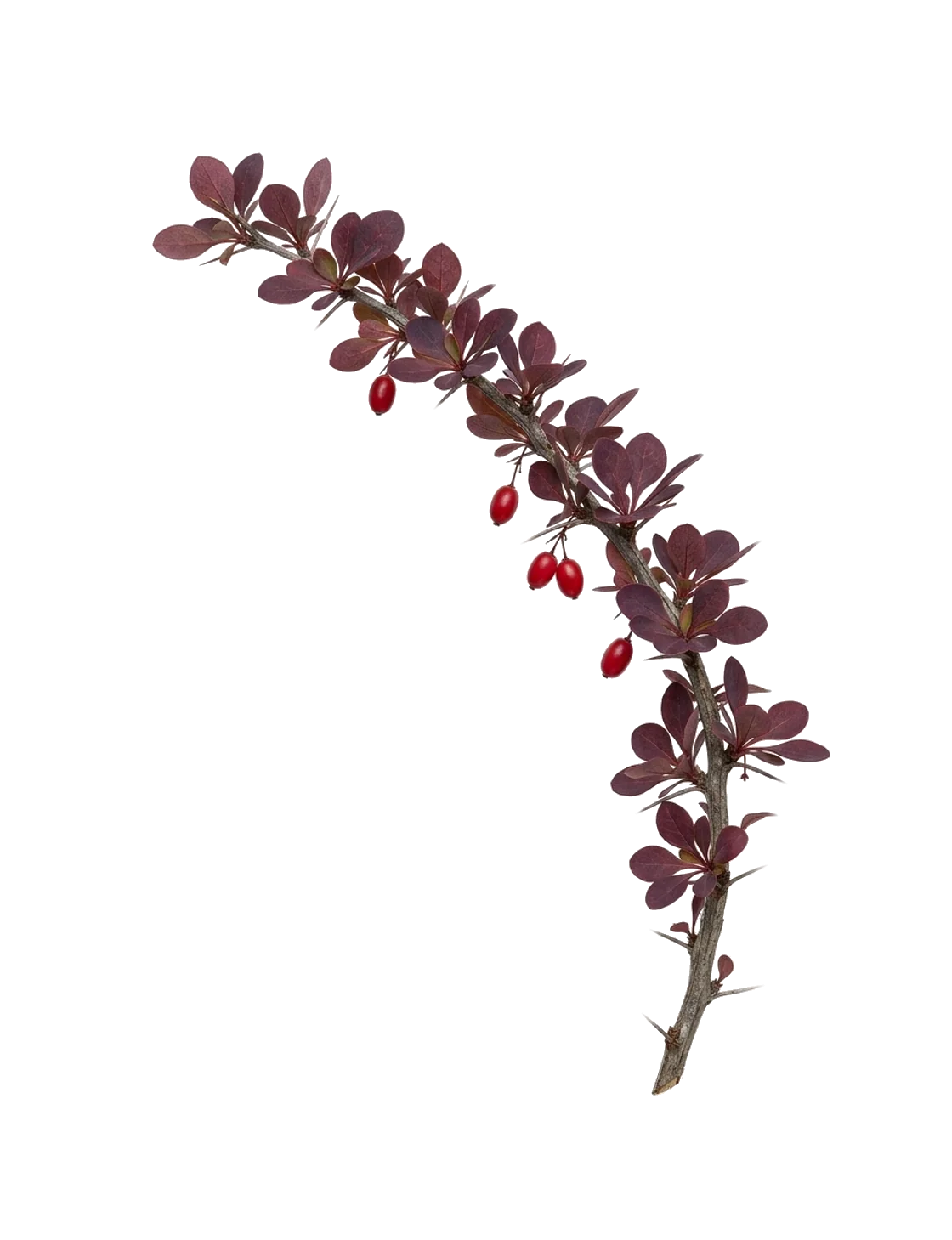
Japanese barberry (Berberis thunbergii) is a tough, versatile deciduous shrub highly appreciated in garden design for its compact growth, protective spiny stems, and colorful foliage. It features gracefully arching branches densely covered with small rounded leaves that range from vivid chartreuse to deep burgundy and bronze, turning vibrant scarlet tones during autumn.
In mid-spring, delicate clusters of pale yellow blossoms emerge along the stems, often edged with subtle reddish highlights. These flowers mature into small, glossy red berries that remain attached to the bare branches well into winter, creating welcome visual contrast in cold weather when most deciduous plants have lost their interest.
Renowned for its resilience, Japanese barberry easily withstands urban pollution, windy sites, summer dry spells, and severe winter frosts. It demands very little maintenance to thrive, needing only generous sun exposure to develop its richest leaf colors and well-drained soil that prevents standing water around the roots.
Did you know?The needle-sharp spines along its stems are actually modified leaves that evolved to protect the shrub from browsing wildlife.
Care. What it needs, point by point.
- Watering
- 1× a weekWater moderately once a week during warm spring and summer months, allowing the top inches of soil to dry out between applications. Established shrubs are drought-tolerant and rarely need supplemental watering in winter.
- Light
- Full sunPlant in full sun to bring out the deepest tones in purple, red, and gold cultivars. It tolerates partial shade, though the leaves will gradually fade to a plain green hue.
- Temperature
- Extremely hardy, it handles temperatures ranging from -25 °C during harsh winters up to 35 °C in hot summers. Outdoor plants do not require cold protection once rooted.
- Soil
- Adapts readily to clay, sand, or loam as long as excess water drains away freely. Wet, waterlogged ground should be avoided as it encourages root issues.
- Fertilizer
- Apply a balanced slow-release fertilizer or composted organic matter around the base in late winter. Avoid heavy nitrogen feeding, which creates weak and leggy growth.
- Pruning
- Prune in late winter or early spring before new growth starts to clean out dead wood and preserve form. Wear thick work gloves to protect your hands from sharp spines.
- Propagation
- Easily propagated through semi-ripe stem cuttings taken in midsummer with rooting hormone. It can also be started from seeds after a period of moist cold stratification.
Where it grows. In the wild and in homes.
In the wild it grows in East Asia, in a temperate climate.
People have also taken it to 55 more regions where it now grows on its own: North America, Europe, temperate Asia, and tropical Asia.
Range: Plants of the World Online, Royal Botanic Gardens, Kew
Is Japanese barberry toxic to cats and dogs?
The ASPCA doesn't list this species. If your pet has chewed it and seems unwell, call your vet.
Gallery As the community sees it.
Photo · Alpsdake · CC BY-SA 4.0
Common problems What tends to go wrong.
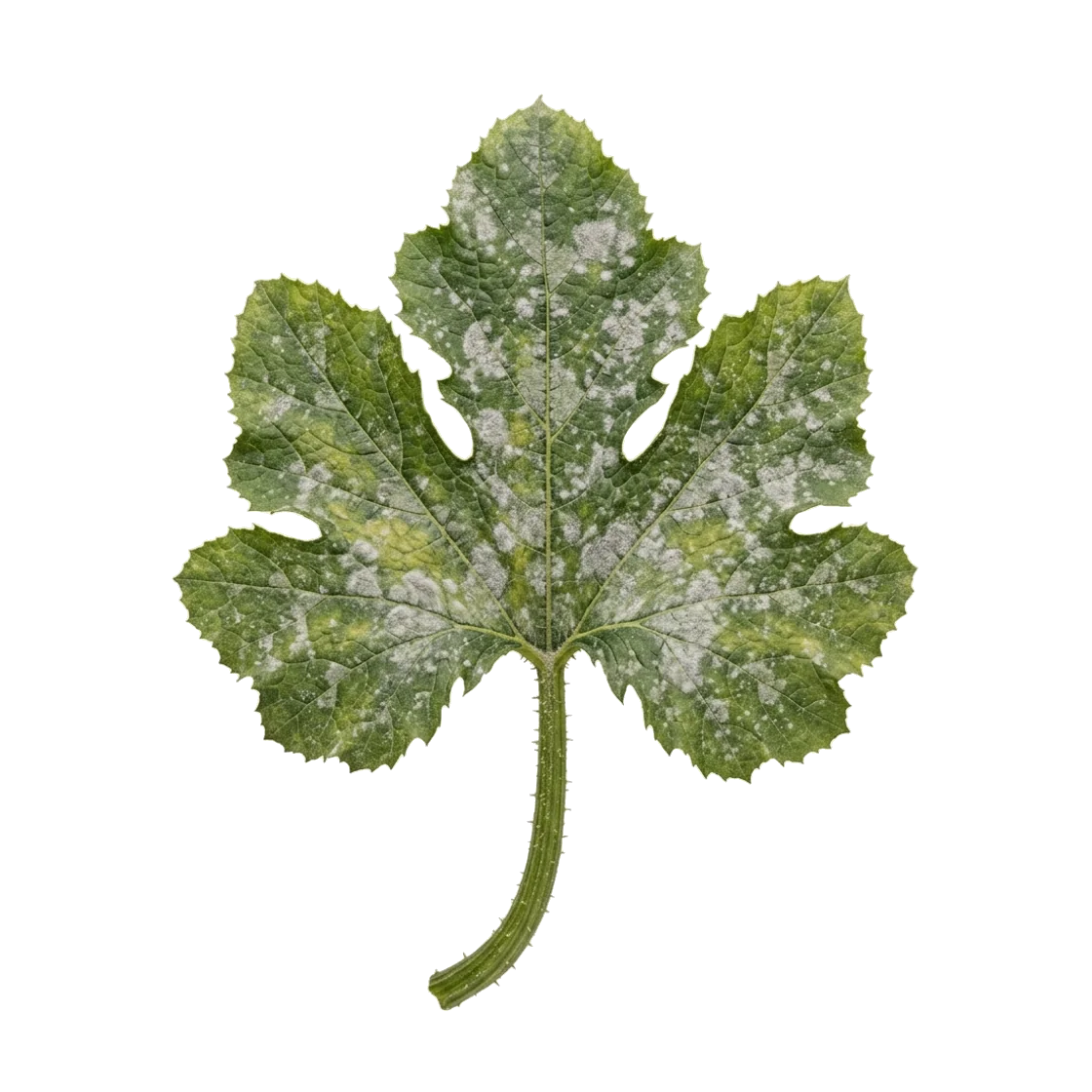
- Powdery mildew
- Aphids
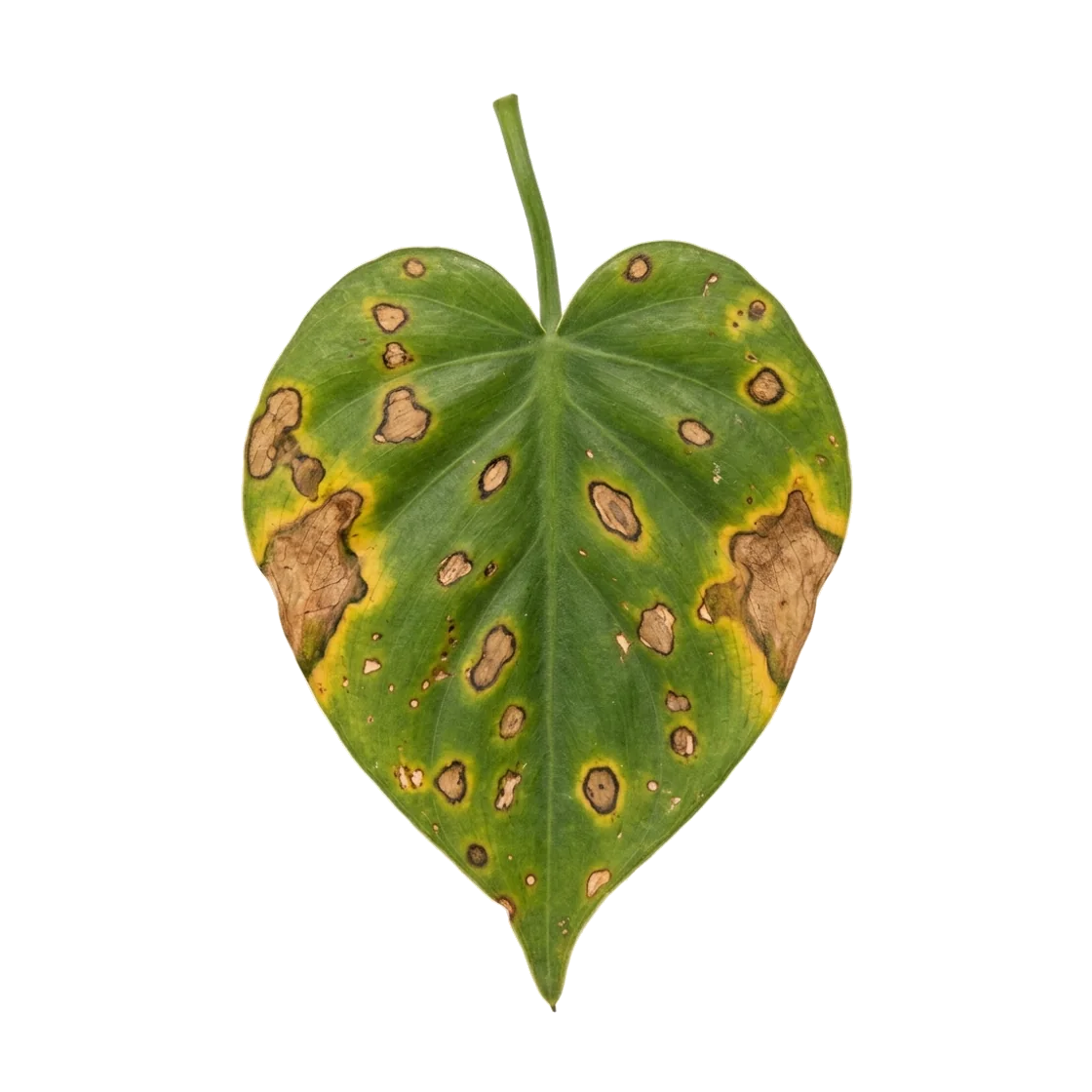
- Fungal or bacterial leaf spots
- Root rot


Frequently asked questions What people ask most.
Why are the leaves turning green instead of purple?
A lack of direct sunlight is the most common reason for faded foliage. Moving the shrub to a sunnier position will restore its vibrant purple or red tones.
Is it normal for the shrub to drop its leaves in winter?
Yes, Japanese barberry is naturally deciduous and sheds all its leaves each autumn. Fresh leaves will quickly emerge from dormant buds as the weather warms in spring.
How do I control powdery mildew on barberry leaves?
Powdery mildew thrives in humid, stagnant conditions. Thin out congested inner branches to improve air circulation and direct irrigation water solely onto the soil, never the foliage.
When is the best time to prune a barberry hedge?
Late winter while the plant is dormant is ideal for formal hedging and structural shaping. You can perform a light secondary trim in midsummer to keep the outline neat.