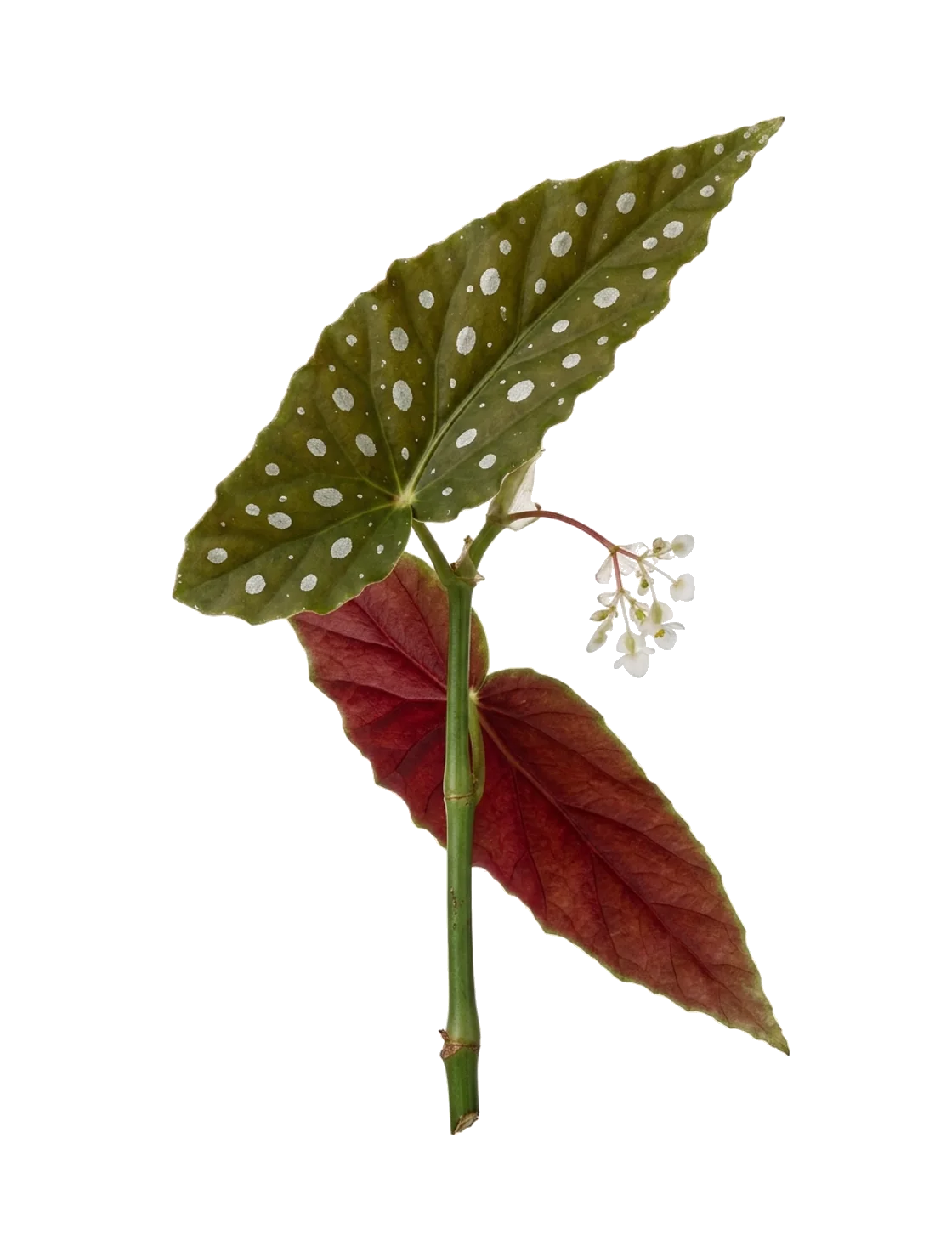
Begonia maculata, commonly known as the polka dot begonia, is an eye-catching species native to the subtropical rainforests of Brazil. It is instantly recognized by its dramatic, angel wing-shaped foliage, featuring deep olive-green leaves polka-dotted with silvery-white spots and backed by a rich crimson underside that catches the eye from any angle.
This species belongs to the cane begonia group, producing upright, jointed stems that strongly resemble miniature bamboo canes. When given good care indoors, mature specimens readily send out pendulous clusters of delicate white or blush-pink blossoms from late spring through early autumn, providing an elegant seasonal display alongside its patterned leaves.
Successful indoor cultivation relies on replicating its tropical understory environment with abundant bright indirect light and elevated ambient humidity. Because it does not tolerate soggy roots or dry indoor air, providing a porous potting mix and allowing the topsoil to dry slightly between waterings will keep your plant thriving and vibrant.
Did you know?The silvery spots on the leaves act like tiny reflectors to maximize light capture in the dim forest understory, while the red underside absorbs residual light.
Care. What it needs, point by point.
- Watering
- 1–2× a weekWater thoroughly when the top two or three centimeters of soil feel dry, which typically means once or twice a week in summer and less often in winter. Never let the pot sit in standing water and avoid wetting the foliage directly.
- Light
- IndirectPlace it in a spot that receives plenty of bright indirect light to preserve the vivid silver spots and red leaf undersides. Direct sunlight will quickly scorch the delicate foliage and cause brown patches.
- Temperature
- 18–24 °C ideal temperatureMaintain temperatures between 18 °C and 24 °C for optimal growth throughout the year. Protect the plant from cold drafts and air conditioning, as temperatures dropping below 15 °C can cause severe leaf drop.
- Soil
- Use a lightweight, well-aerated potting mix containing peat moss or coco coir blended with generous perlite and orchid bark. This structure retains gentle moisture while allowing oxygen to reach the roots.
- Fertilizer
- 2–3 weeks between feedsFeed every two to three weeks during spring and summer using a balanced liquid houseplant fertilizer diluted to half strength. Pause feeding in autumn and winter when plant growth slows down.
- Pruning
- Prune leggy stems back above a leaf node in early spring to encourage bushier, fuller branching. Remove yellowed or spent lower leaves regularly to maintain plant hygiene.
- Propagation
- Propagate by taking stem cuttings with at least one node during the active growing season. The cuttings root readily in a jar of clean water or in moist perlite before potting up.
Where it grows. In the wild and in homes.
In the wild it grows in Brazil, in a wet tropical climate.
People have also taken it to 6 more regions where it now grows on its own: Mexico, the Caribbean, and southern South America.
Range: Plants of the World Online, Royal Botanic Gardens, Kew
Is Polka dot begonia toxic to cats and dogs?
Toxic to cats and dogs.

Cats
Toxic

Dogs
Toxic
Usual signs
Causes salivation and vomiting in dogs and cats, and kidney failure in grazing animals, with the underground parts being the most toxic.
If your pet has chewed it and shows symptoms, call your vet or the nearest emergency vet.
Source · ASPCA Animal Poison Control
Common problems What tends to go wrong.
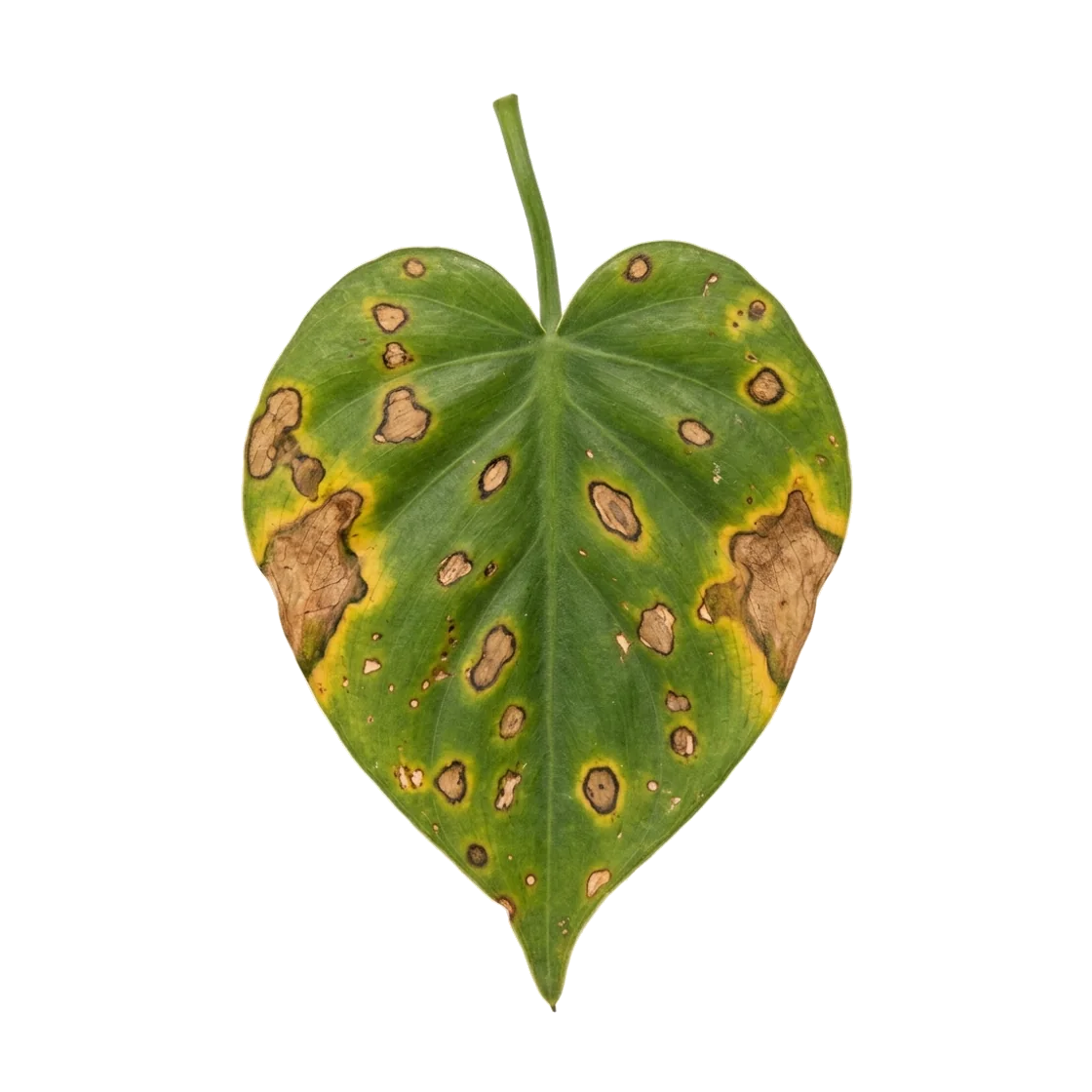
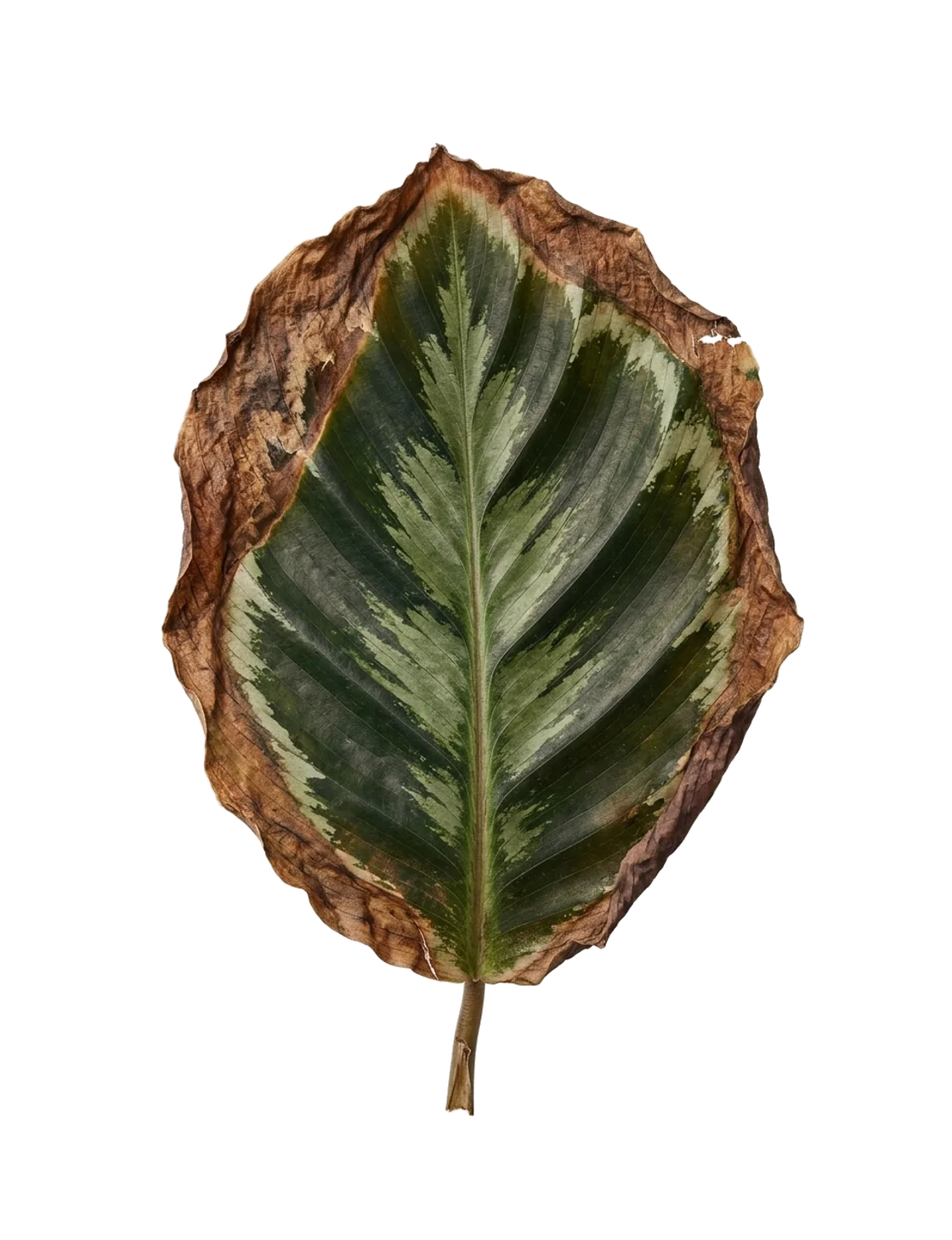
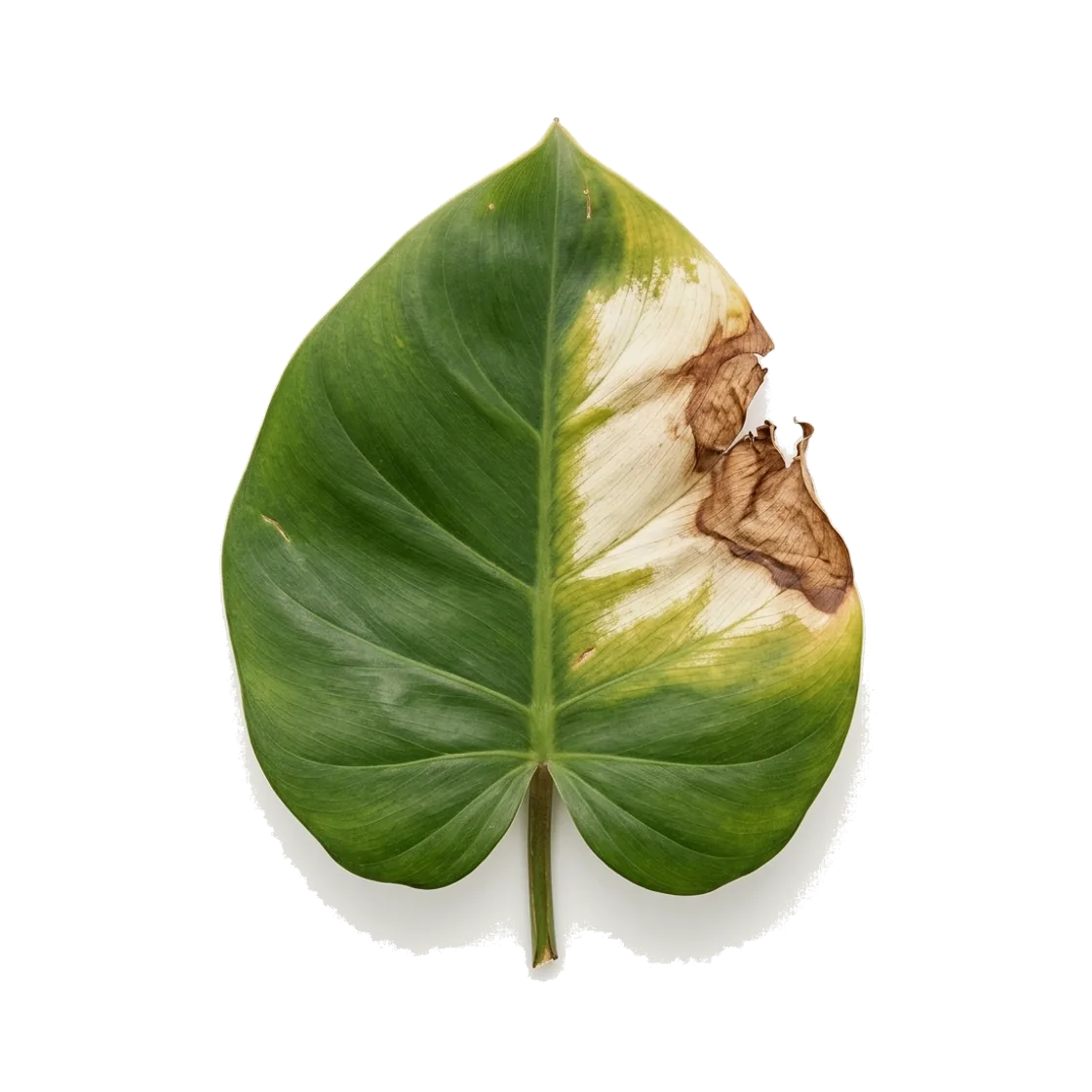
- Powdery mildew
- Root rot
- Fungal or bacterial leaf spots
- Dry air
- Sunburn
- Overwatering



Frequently asked questions What people ask most.
Why are the leaf tips turning brown and crispy on my Polka dot begonia?
Crispy brown edges are almost always caused by low humidity or exposure to dry heating vents. Raise humidity levels using an evaporative humidifier or by placing the pot on a pebble tray filled with water.
Why is my Polka dot begonia losing leaves?
Sudden leaf dropping is commonly caused by overwatering, cold drafts, or rapid temperature fluctuations. Ensure the soil drains properly and only water when the top layer has dried out.
Should I mist the leaves of my Begonia maculata?
Avoid misting the foliage, as standing water droplets create an ideal environment for powdery mildew and fungal leaf spot diseases. Instead, increase surrounding ambient humidity with a dedicated room humidifier.
Why is my Polka dot begonia growing tall and leggy?
Leggy growth indicates the plant is receiving insufficient light and is stretching toward a light source. Move it closer to a bright, filtered window and pinch back the stem tips to promote compact growth.