Pink trumpet vine
Podranea ricasoliana
Pink trumpet vine (Podranea ricasoliana): vigorous, fast-growing pink climber with pruning, strong support, watering and frost-protection guidance.
- Light
- Full sun
- Temperature
- 16–30 °Cideal temperature
- Toxicity
- Non-toxic
- Difficulty
- Easy
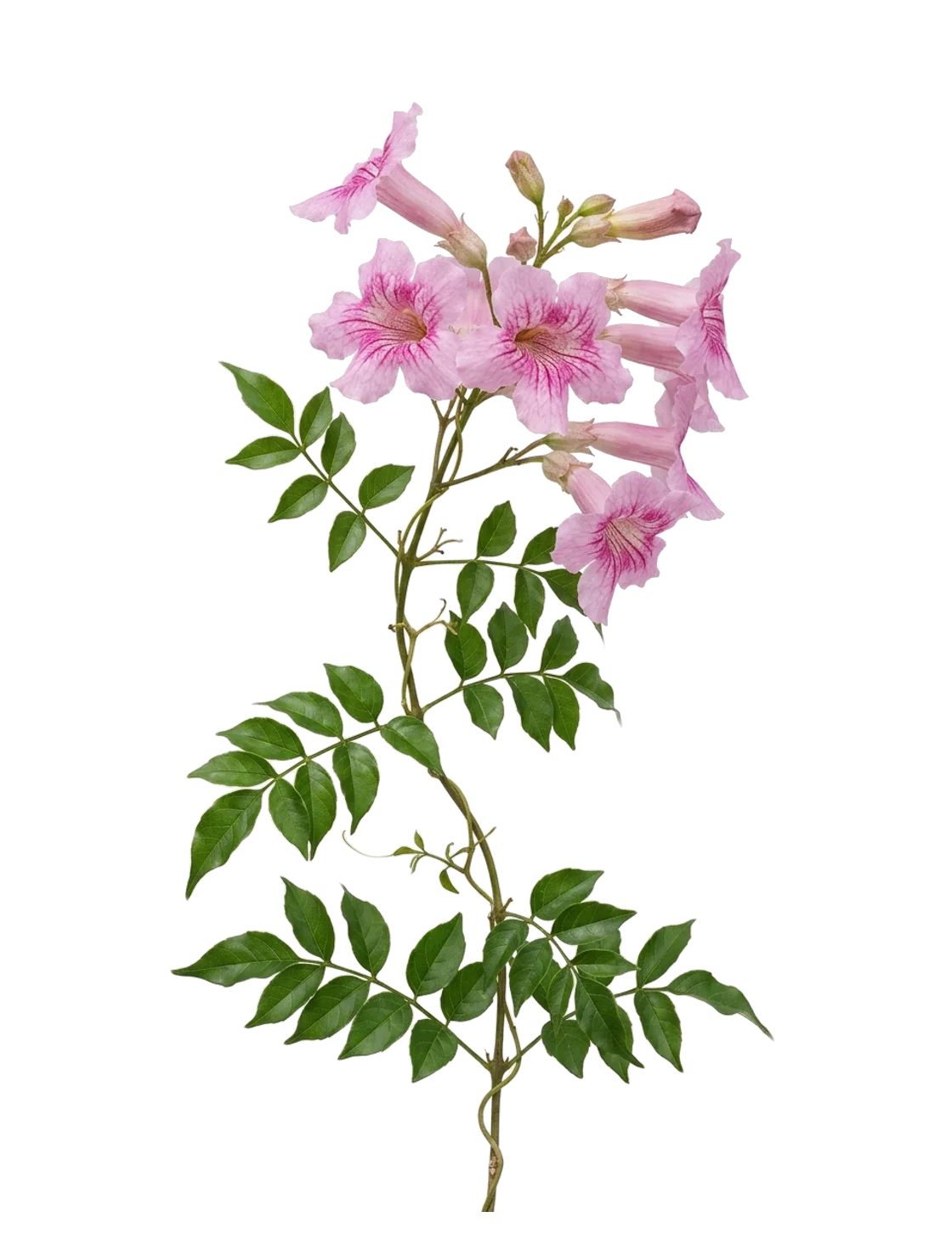
Pink trumpet vine (Podranea ricasoliana) is a vigorous evergreen climber from South Africa grown for its large trusses of pink, trumpet-shaped flowers. It scrambles several metres in a season over pergolas, walls and fences, covering them with bloom from summer into autumn. Its twining stems climb by scrambling rather than suckers, so young shoots need tying to their support until they weave through it. The foliage is glossy and pinnate, staying green through winter in mild climates.
Each flower is a flared trumpet about seven centimetres long, pink with reddish veins inside the throat. They cluster in generous panicles at the shoot tips and open in succession for months, so a single truss carries buds, open blooms and fading flowers together. Slender brown capsules follow, splitting to release papery winged seeds. Removing the spent trusses keeps the display tidy and channels energy into the next wave of buds.
It is the perfect climber for anyone needing fast cover in a sunny, frost-free garden. Give it a strong support and room to roam, because it grows with surprising force once settled and can overwhelm a weak trellis. With a hard late-winter prune and watering at the base, it flowers lavishly while asking for almost nothing. In borderline climates, plant it against a warm wall and mulch the base so it resprouts even after a light frost.
Did you know?A single plant can drape a whole pergola in one season, and its pink trumpets keep opening from summer until the first cold nights.
Care. What it needs, point by point.
- Watering
- Water deeply during the first summer so the roots establish before the plant takes off. Afterwards it tolerates drought well, though generous watering in heatwaves prolongs flowering.
- Light
- Full sunIt flowers best in full sun, where the trusses open in the greatest numbers. Light shade is tolerated, but deep shade reduces blooming sharply.
- Temperature
- 16–30 °C ideal temperatureIt grows best between 16 and 30 °C and tolerates brief frosts to about -4 °C, reshooting from the base after harder cold. In frost-prone areas, plant against a warm sheltered wall.
- Soil
- It accepts most soils provided they drain, from sandy to loamy ground. It dislikes permanently soggy soil, which rots the crown.
- Fertilizer
- Spread compost around the base in spring; vigorous plants ask for little else. In poor soils a balanced fertilizer at the start of the season is enough.
- Pruning
- Prune in late winter to contain its size, shortening the longest canes and removing tangled growth. During summer, trim the spent trusses to encourage further waves of flowers.
- Propagation
- Semi-ripe cuttings taken in summer root very easily, and ground-layered stems root on their own. Suckers from the base can be lifted and replanted in autumn.
Where it grows. In the wild and in homes.
In the wild it grows in south tropical Africa and southern Africa, in a subtropical climate.
People have also taken it to 20 more regions where it now grows on its own: South and Central America and the Caribbean, Africa, North America, and Europe.
Range: Plants of the World Online, Royal Botanic Gardens, Kew
Is Pink trumpet vine toxic to cats and dogs?
The ASPCA doesn't list this species. If your pet has chewed it and seems unwell, call your vet.
Common problems What tends to go wrong.
- Aphids
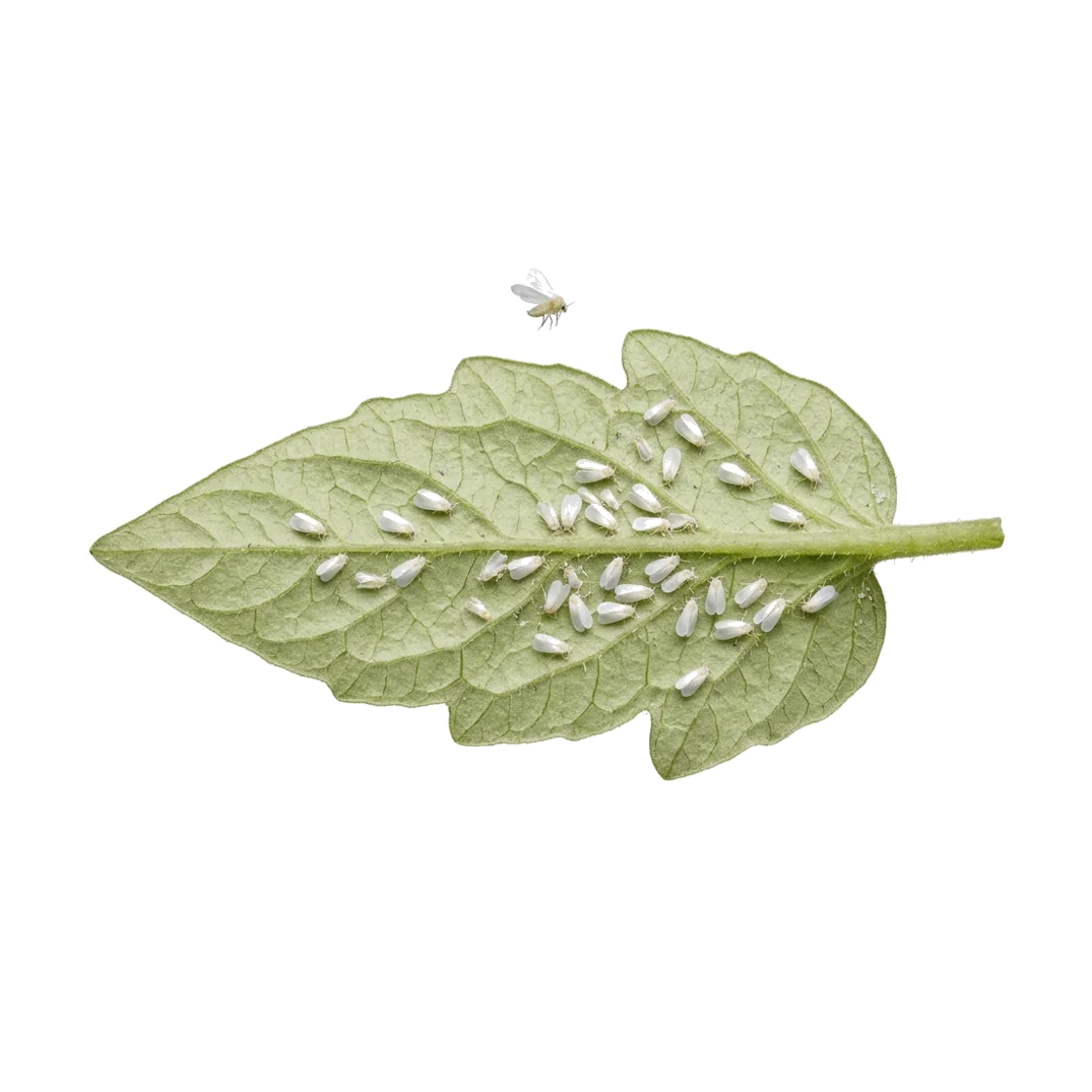
- Whitefly
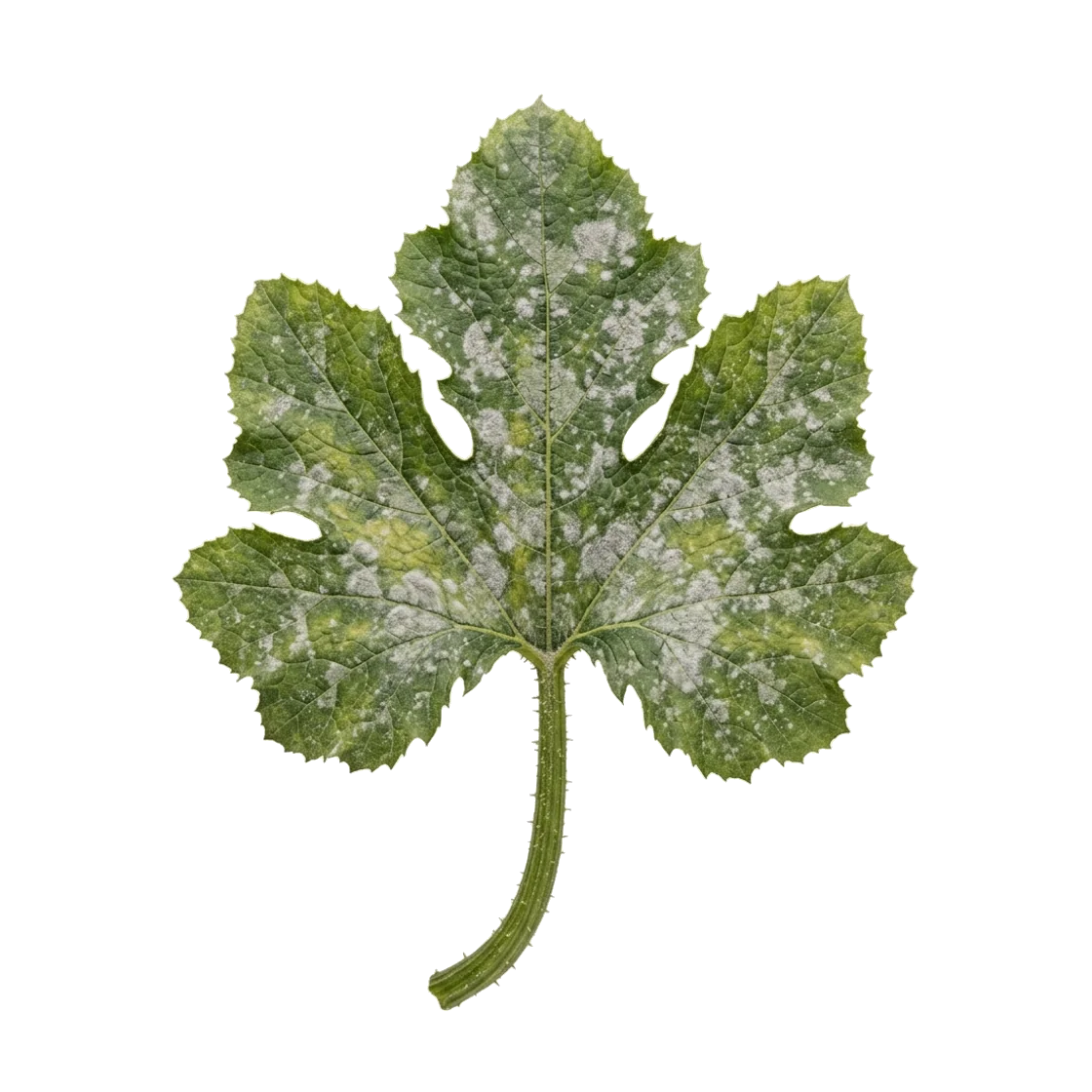
- Powdery mildew
- Cold damage


Frequently asked questions What people ask most.
Why is my pink trumpet vine not flowering?
Young plants and shade are the usual explanations, since it only blooms generously in full sun on mature wood. A starved plant in a small pot may also refuse to flower. Move containers into the sun, feed in spring and wait a season for the canes to mature.
How do I keep it from taking over the garden?
Prune firmly every late winter, cutting the longest canes back by half or more. Pull out root suckers while they are small and train the main stems onto their support. Never plant it beside delicate shrubs it could smother within two seasons.
How often should I water it?
Soak new plants deeply once or twice a week during their first summer. Established vines cope with drought, though flowering lasts longer with occasional deep watering in heatwaves. Reduce watering in winter, when the plant barely grows.
Does it withstand frost?
Only light frosts: established plants survive brief dips to around -4 °C, often losing leaves and reshooting in spring. Harder freezes can kill the top growth, but the roots usually survive under mulch. In cold districts, grow it against a warm wall or in a large pot under cover.
How can I propagate it?
Take semi-ripe cuttings in summer and they root within weeks in a humid, sheltered spot. Layering works too: peg a low cane to the soil and it forms roots by autumn. Suckers from the base lift easily for replanting in the cool season.