
Persimmon
Diospyros kaki
Persimmon tree care at home: full sun, regular watering, exact harvest timing and light pruning for sweet, soft, ripe fruit every single autumn.
- Light
- Full sun
- Temperature
- 15–28 °Cideal temperature
- Toxicity
- Non-toxic
- Difficulty
- Easy
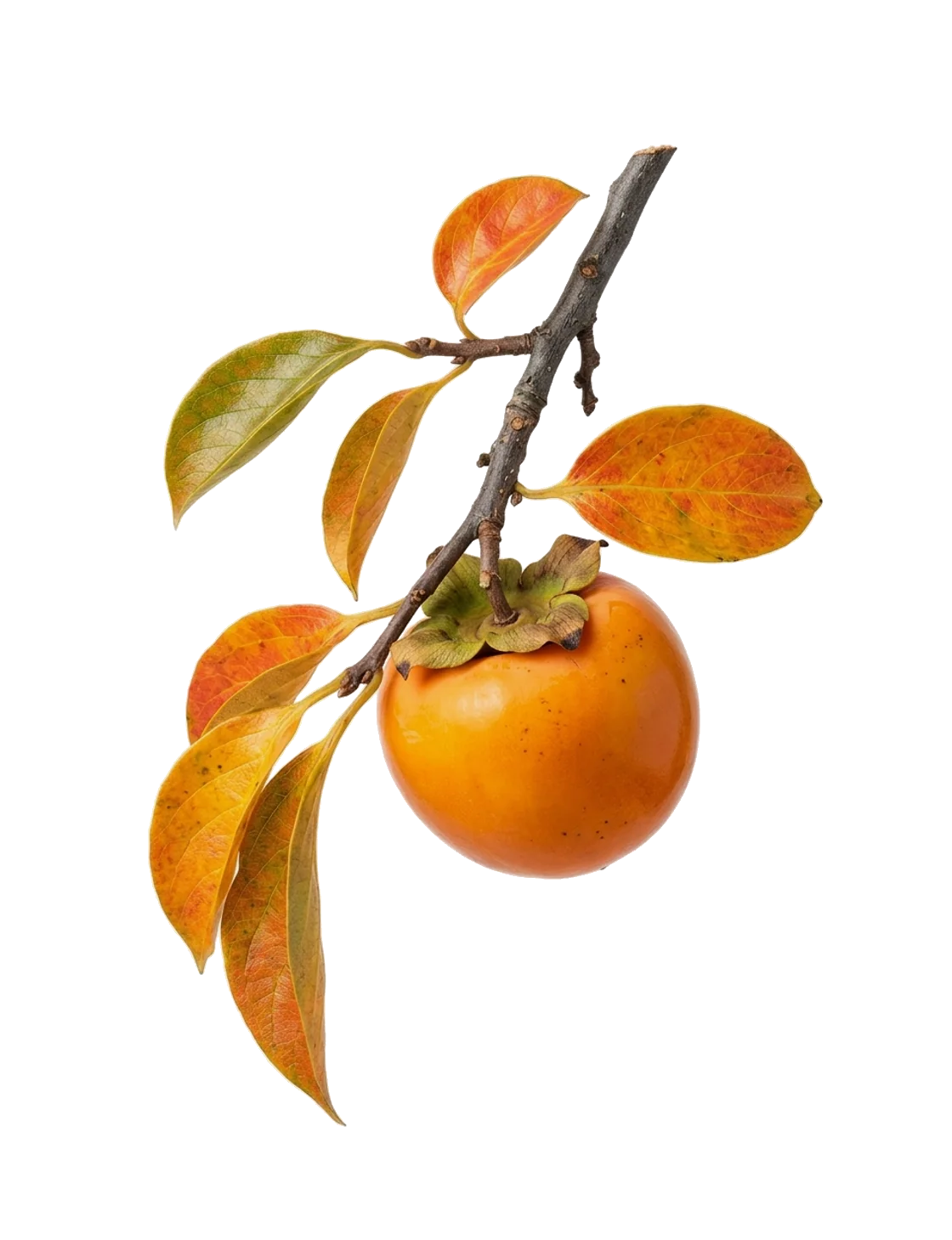
The persimmon (Diospyros kaki) is a deciduous fruit tree in the ebony family, native to East Asia, where China, Japan, and Korea have cultivated it for centuries. Also called kaki or Sharon fruit in shops, it has glossy leaves, spectacular orange autumn color, and large round fruit that ripens late in the season. It is one of the most ornamental fruit trees for a home garden.
Some varieties are sweet and firm when ripe, while astringent ones must soften fully before eating, so check which type you buy. The tree pollinates itself, needs little pruning, and has few demands beyond sun and decent drainage. Its late harvest extends the orchard season when most summer fruit is over.
Persimmons are picked with full color and eaten firm or spoon-soft according to the variety. The tree loses its leaves early in showy fashion and sprouts late in spring, avoiding many frosts by itself. With sun, moderate watering, and patience at harvest, it is an easy and strikingly beautiful tree for temperate gardens.
Did you know?Its fruits hang on bare branches after the leaves fall, glowing orange like lanterns deep into autumn.
Care. What it needs, point by point.
- Watering
- Water regularly from spring to fruit swelling, keeping the soil lightly moist. In autumn, as the fruit colors, reduce watering, and check the top centimeters of soil before watering again.
- Light
- Full sunIt needs full sun to ripen its autumn fruit well. In shade the persimmons stay pale, ripen late, and drop early.
- Temperature
- 15–28 °C ideal temperatureIt grows well between 15 and 28 °C and needs some winter chill near 0 °C to sprout evenly. It tolerates light frosts, but late spring frosts can damage the young shoots.
- Soil
- It adapts to many well-drained soils, from loamy to slightly clayey. It dislikes waterlogged ground and very chalky soils, where it grows slowly.
- Fertilizer
- Apply compost or a balanced fertilizer in late winter, with a light dose after fruit set if the crop is heavy. It is undemanding, so avoid heavy feeding that only pushes soft shoots.
- Pruning
- Prune lightly in winter while leafless, keeping an open crown and removing crossing, damaged, and downward branches. It fruits on new-season shoots, so moderate pruning renews fruiting wood without stress.
- Propagation
- Varieties are grafted onto seedling persimmon rootstocks to keep fruit quality. Seeds germinate well but give variable, often astringent fruit after many years.
Where it grows. In the wild and in homes.
In the wild it grows in temperate Asia and tropical Asia, in a temperate climate.
People have also taken it to 10 more regions where it now grows on its own: temperate Asia, tropical Asia, North America, and Europe.
Range: Plants of the World Online, Royal Botanic Gardens, Kew
Is Persimmon toxic to cats and dogs?
The ASPCA doesn't list this species. If your pet has chewed it and seems unwell, call your vet.
Common problems What tends to go wrong.
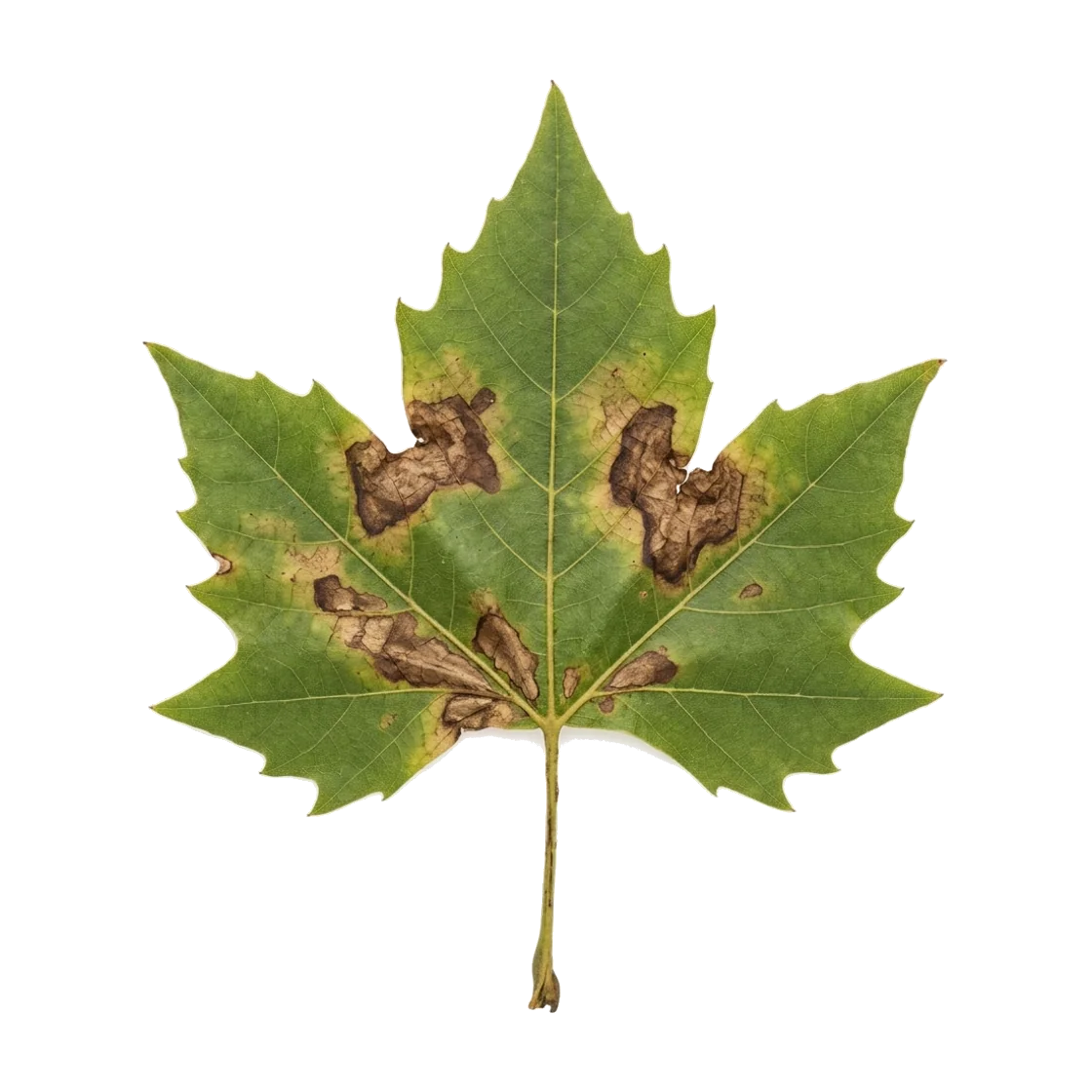
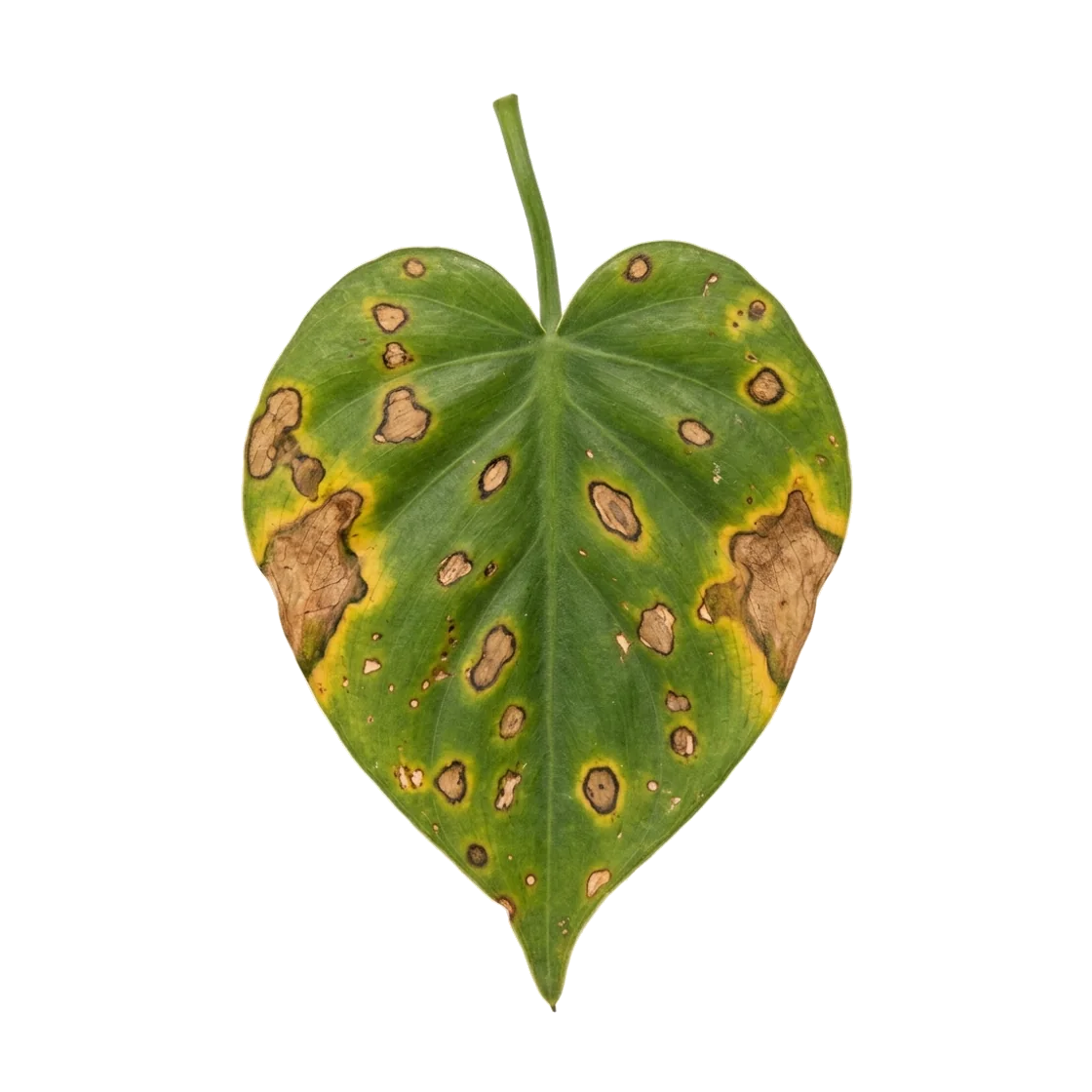
- Anthracnose
- Fungal or bacterial leaf spots
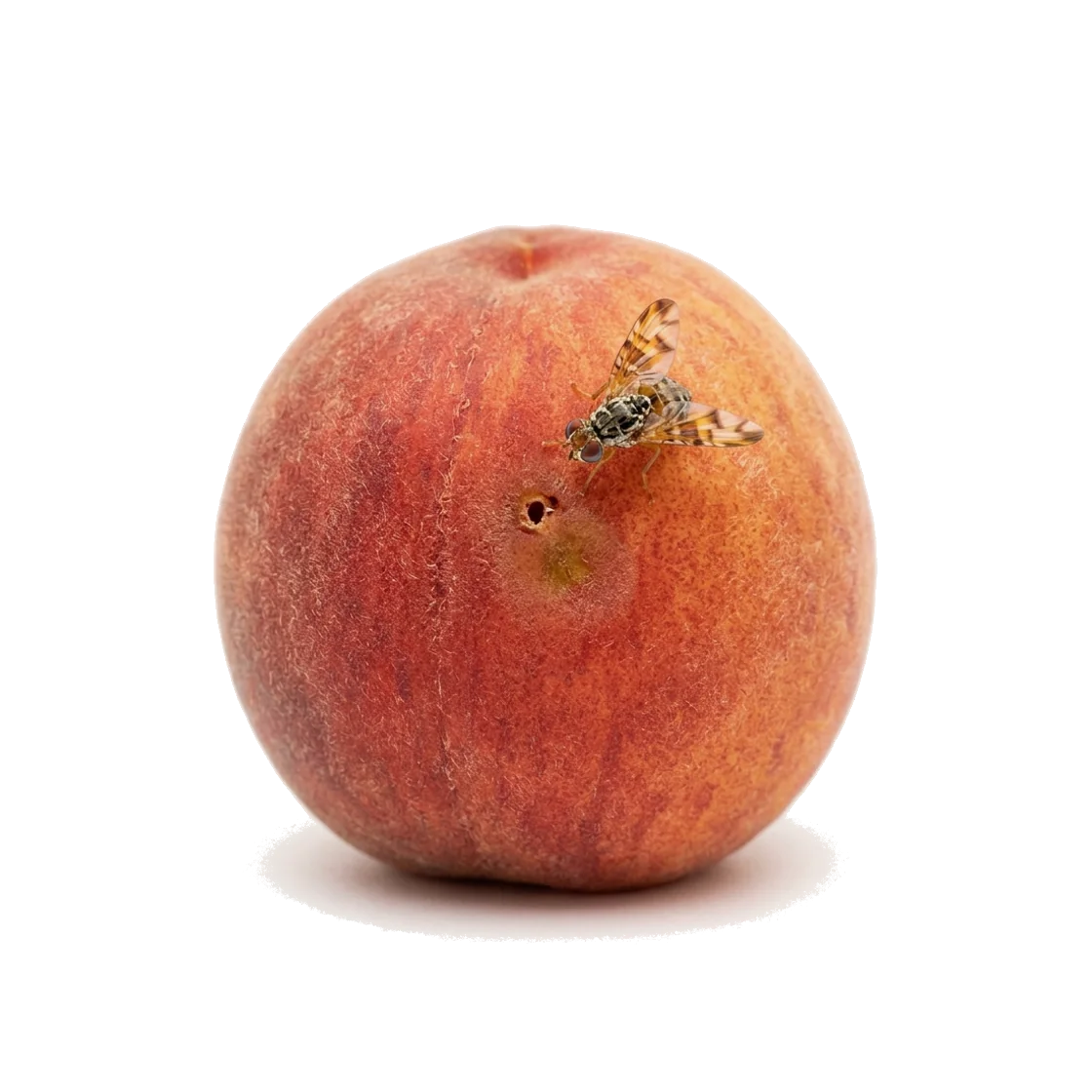
- Fruit fly
- Mealybugs and scale

Frequently asked questions What people ask most.
Why is my persimmon bitter and mouth-puckering?
It is an astringent variety picked before its time: it needs to soften fully until spoon-soft to lose its harshness. Non-astringent varieties, in contrast, are eaten firm like an apple.
When are persimmons picked?
Pick them with full orange or red color, firm or soft depending on the variety. They hold well on the tree into late autumn, so harvest in passes as each fruit colors.
Why does the tree drop its fruit early?
Young trees often shed part of the crop naturally, and drought or heat waves during swelling increase the drop. Keep watering steady in summer and avoid moving or stressing the tree while fruits develop.
Does it need pruning?
Very little: a light winter cleanup to open the crown and remove damaged wood is enough. Heavy pruning triggers a flush of vertical shoots and reduces the next harvest.