
Northern white cedar
Thuja occidentalis
Learn how to care for the Northern white cedar (Thuja occidentalis): watering schedules, sun needs, pruning tips, and soil advice for lush hedges.
- Light
- Full sun
- Temperature
- 10–24 °Cideal temperature
- Toxicity
- Non-toxic
- Difficulty
- Easy
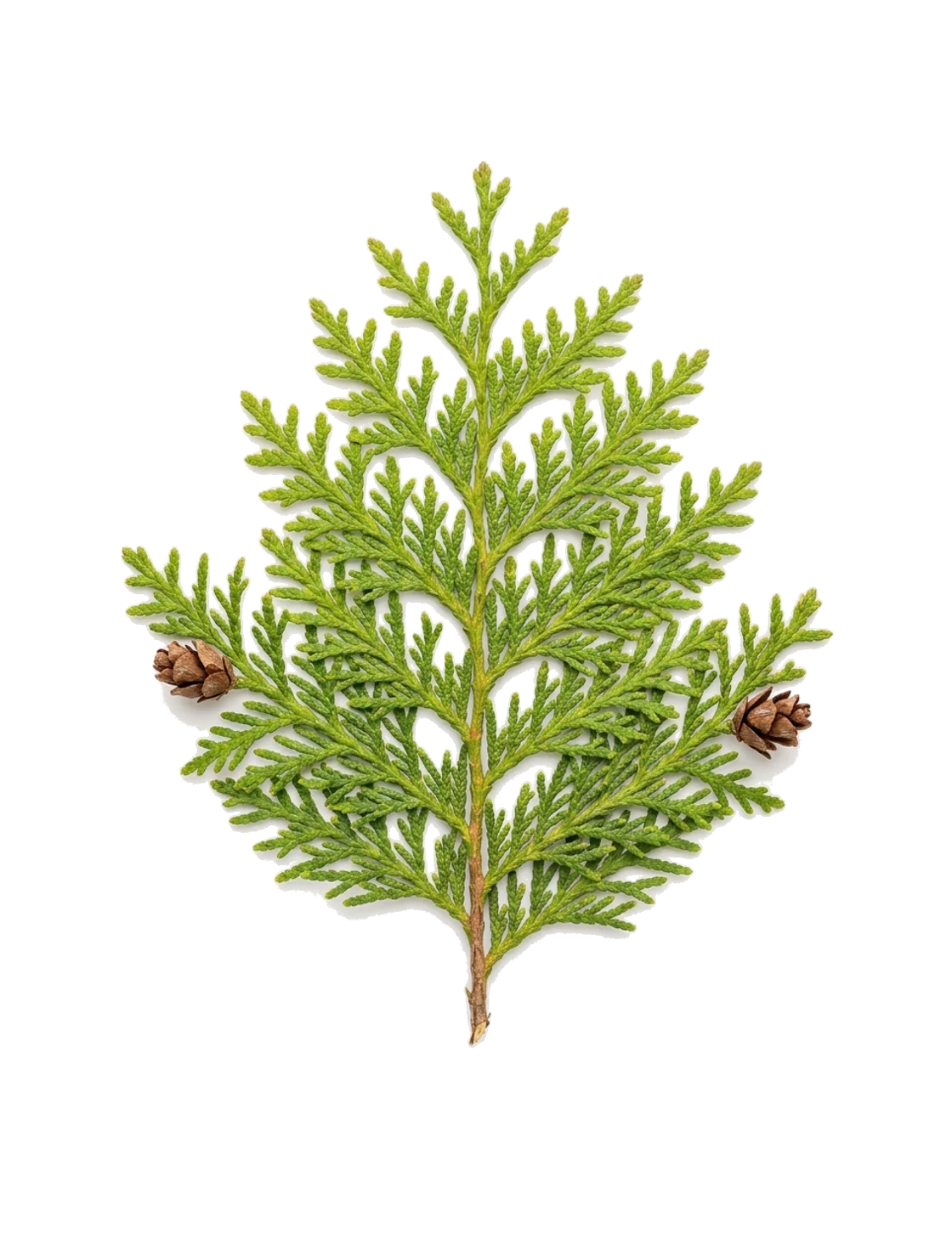
Northern white cedar (Thuja occidentalis), often referred to simply as arborvitae, is a hardy evergreen conifer native to eastern Canada and the northeastern United States. It features flat, scale-like sprays of aromatic foliage that emit a pleasant cedar scent when crushed. Thanks to its naturally neat pyramidal form, it is one of the most widely planted trees for privacy screens, windbreaks, and formal hedges.
This species thrives in cool, temperate climates and demonstrates outstanding cold hardiness, easily withstanding freezing winter temperatures. It prefers full sun to maintain dense foliage down to ground level, though it tolerates light partial shade in regions with harsh summer heat. While it naturally grows in moist soils near wetlands, cultivated specimens require moist yet well-drained soil to avoid root issues.
General upkeep is straightforward once the root system is established. Regular light shearing throughout late spring helps maintain crisp shapes and promotes lush branching, though cuts into old, bare wood should always be avoided as it will not regenerate. With consistent watering during dry spells, this long-lived conifer delivers year-round structure and lush greenery to any garden.
Did you know?It earned the Latin common name arborvitae, meaning tree of life, when sixteenth-century French explorers documented its valuable evergreen resilience in harsh northern winters.
Care. What it needs, point by point.
- Watering
- Water once or twice weekly during warm seasons, decreasing frequency significantly in winter. Check that the top couple of inches of soil feel dry before providing a deep soak.
- Light
- Full sunPlant in full sun to maintain thick, compact foliage from the crown down to the ground. It accepts partial shade, but heavy shade leads to thin, sparse growth.
- Temperature
- 10–24 °C ideal temperatureExhibits exceptional cold hardiness, comfortably withstanding temperatures down to -35 °C. The optimal temperature range for active growth sits between 10 °C and 24 °C.
- Soil
- Requires rich, loamy, and moisture-retentive soil that allows surplus water to drain away freely.
- Fertilizer
- Feed once in early spring using a balanced slow-release conifer fertiliser or a generous top-dressing of organic compost.
- Pruning
- Lightly shear outer green tips in late spring or late summer to maintain hedge density. Never cut back into brown, leafless wood as it cannot regenerate new green shoots.
- Propagation
- Propagate by taking semi-hardwood cuttings in late summer or early autumn. Keep them in a moist, sandy medium under cool, shaded conditions until roots establish.
Where it grows. In the wild and in homes.
In the wild it grows in North America, in a temperate climate.
People have also taken it to 17 more regions where it now grows on its own: Europe, temperate Asia, and tropical Asia.
Range: Plants of the World Online, Royal Botanic Gardens, Kew
Is Northern white cedar toxic to cats and dogs?
The ASPCA doesn't list this species. If your pet has chewed it and seems unwell, call your vet.
Common problems What tends to go wrong.
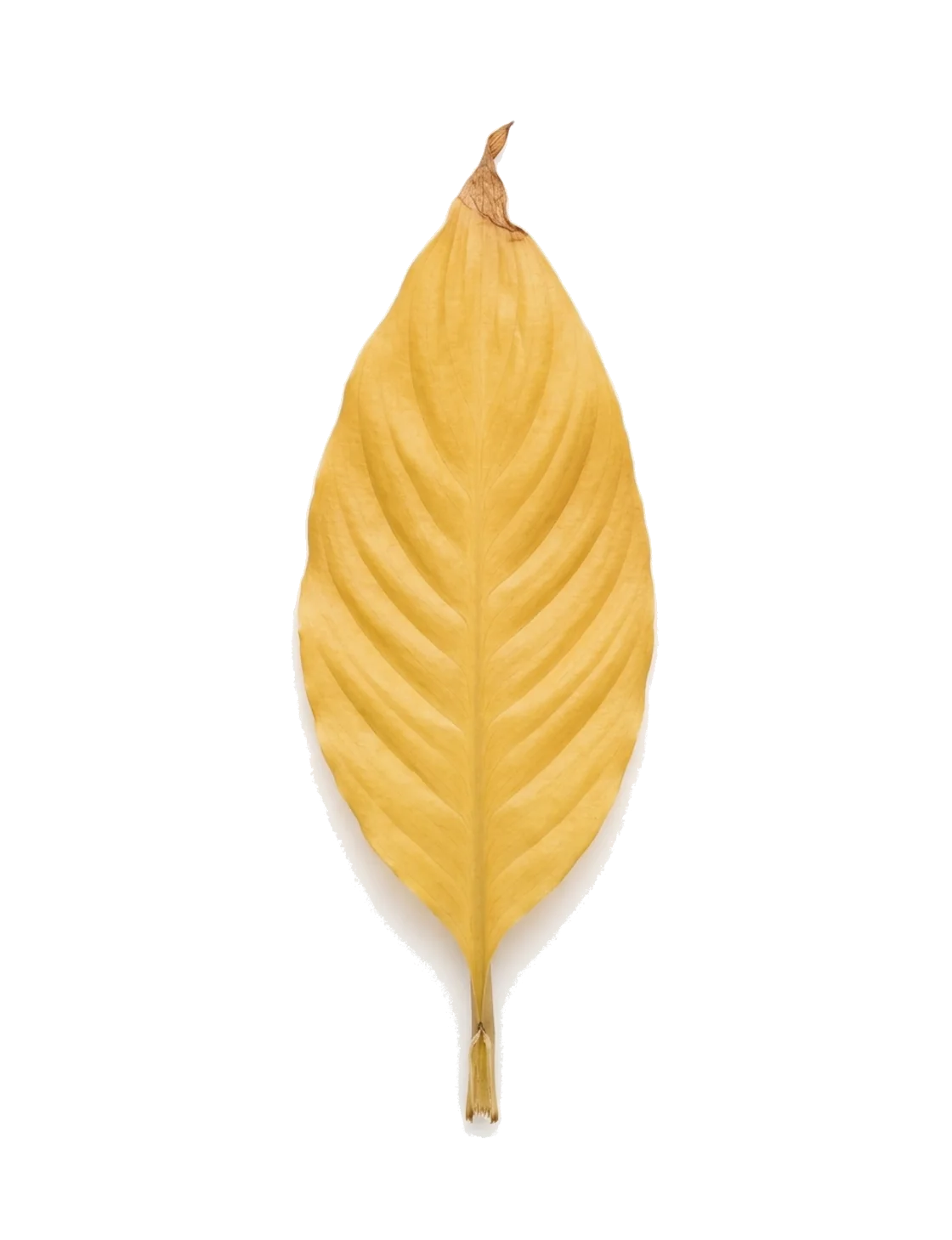
- Natural ageing
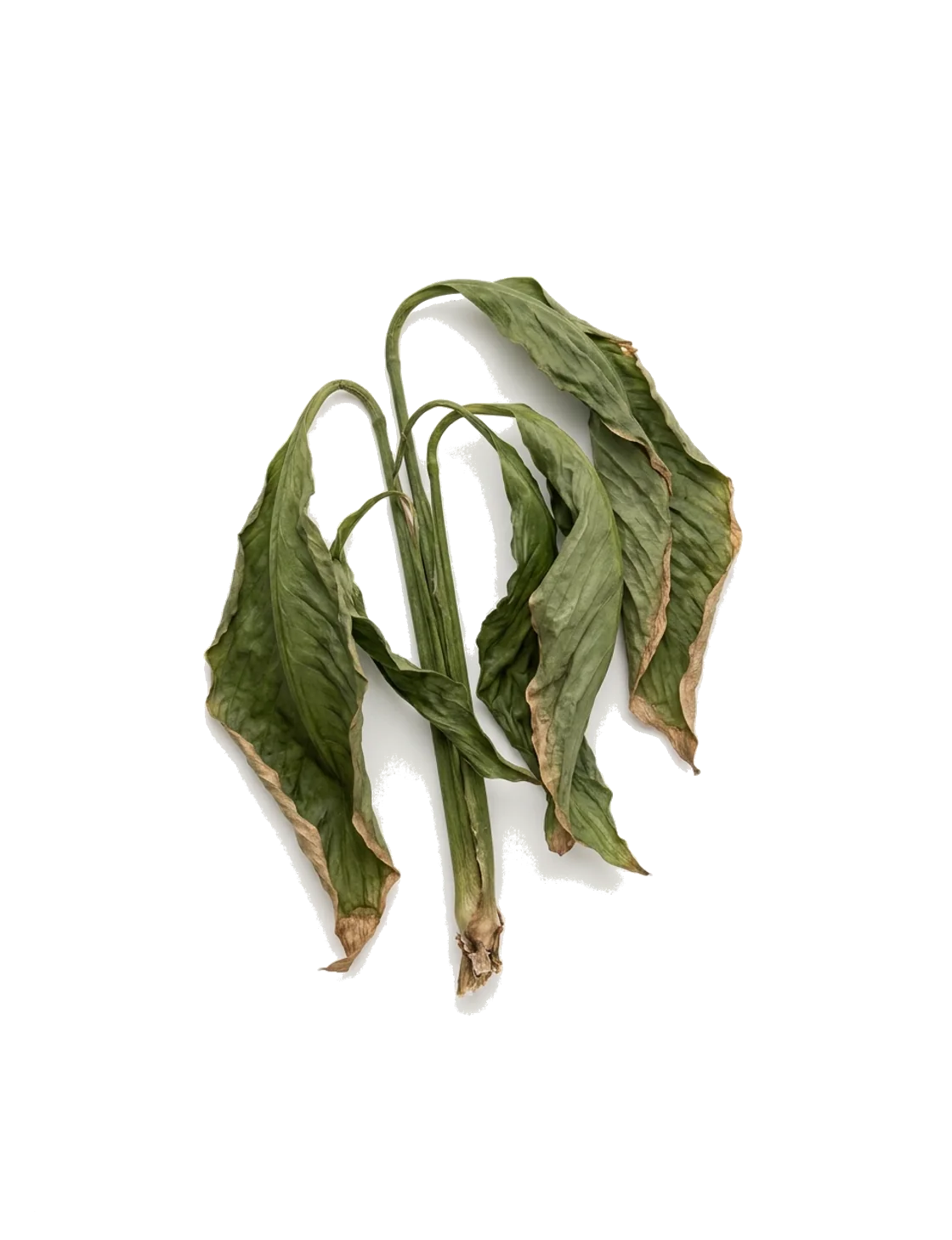
- Underwatering
- Root rot
- Spider mites


Frequently asked questions What people ask most.
Why do the inner branches turn brown during autumn?
Seasonal browning of interior foliage in autumn is a natural shedding process where older needles drop off. As long as the outer branch tips remain healthy and green, the tree is completely fine.
How often should newly planted northern white cedars be watered?
New transplants need thorough watering once or twice a week throughout their first growing season. Ensuring continuous soil moisture without saturation allows the root system to establish quickly.
Why is my cedar thinning out near the base?
Base dieback is almost always caused by insufficient sunlight reaching lower branches due to improper shearing. Trim hedges slightly wider at the bottom than the top to allow full light penetration.
Can northern white cedar grow back if pruned back hard?
No, arborvitae cannot produce new buds from older wood lacking green needles. Cutting back into the bare inner framework leaves permanent dead spots that will not fill out again.