
Mango tree
Mangifera indica
Learn how to grow and care for a mango tree: watering guidelines, sunlight needs, soil type, and climate tips for abundant foliage and healthy fruit.
- Light
- 6–8 hof direct sun
- Temperature
- 20–32 °Cideal temperature
- Toxicity
- Non-toxic
- Difficulty
- Medium
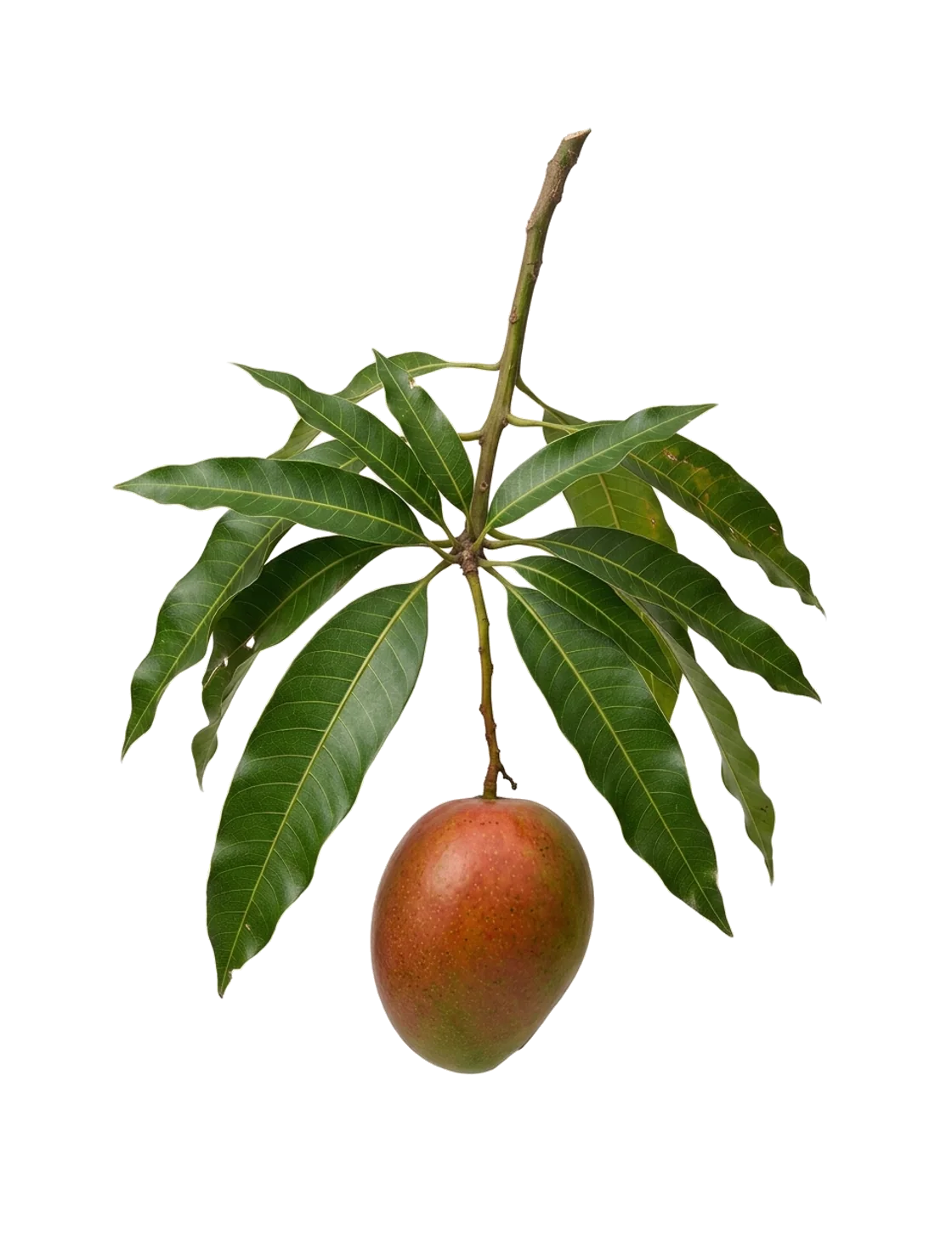
The mango tree (Mangifera indica) is an evergreen fruit tree indigenous to South Asia, valued across tropical and subtropical regions for its stately canopy and delicious harvests. When grown directly in garden soil, it routinely reaches heights exceeding thirty feet, forming a broad, rounded crown that casts abundant shade, though dwarf selections also make manageable specimens for roomy containers.
Its foliage is dense and persistent, featuring elongated, lance-shaped leaves that emerge in striking copper or bronze hues before transitioning into a deep, glossy green. In late winter or early spring, terminal flower panicles appear bearing thousands of miniature, nectar-rich flowers that give way to heavy clusters of fruit if warm weather and pollinator activity remain favorable.
To establish successfully and yield consistent fruit, this tree demands full sun exposure throughout the year alongside deep, well-draining soil. It is intolerant of sustained frost conditions and waterlogged roots, making it an ideal choice for mild, coastal climates, sheltered microclimates, or warm courtyards that receive ample sunlight.
Did you know?It serves as the national tree of Bangladesh and India, where it has been cultivated for over four millennia. In several South Asian traditions, mango leaves are strung together to invite good fortune and celebrate major milestones.
Care. What it needs, point by point.
- Watering
- Water thoroughly but infrequently, waiting until the top inches of soil dry out entirely before applying more water. Trees need weekly watering during hot active growth periods, whereas watering should be dialed back dramatically in winter to avoid rotting the roots.
- Light
- 6–8 h of direct sunLocate the tree in full sunlight where it receives six to eight hours of direct, unfiltered light daily. Insufficient sun produces spindly branch growth, dull leaves, and a failure to set flower buds.
- Temperature
- 20–32 °C ideal temperatureIt thrives in warm environments with regular temperatures between 20 °C and 32 °C. Growth pauses below 10 °C, and exposure to frost at or below 0 °C can result in severe leaf drop and branch death.
- Soil
- Provide deep, well-aerated soil amended with coarse sand or perlite to allow moisture to drain quickly away from the roots. It favors a slightly acidic to neutral pH range between 5.5 and 7.0.
- Fertilizer
- Feed with an organic or balanced fruit fertilizer rich in potassium and micronutrients from early spring through late summer. Limit nitrogen supplies once flowering begins so the tree directs its energy into fruit set rather than leaf flushes.
- Pruning
- Carry out light formative pruning in the initial years and remove broken or crossing branches annually right after harvest. Opening up the center of the canopy allows sunlight to penetrate and curbs the spread of fungal spores.
- Propagation
- Grafting or budding onto vigorous rootstock is the most dependable propagation method to secure reliable fruiting. Sprouting fresh seeds is also common and straightforward, though seedlings require many more years to produce fruit of variable quality.
Where it grows. In the wild and in homes.
In the wild it grows in the Indian subcontinent, Indochina, and China, in a seasonally dry tropical climate.
People have also taken it to 96 more regions where it now grows on its own: Africa, South and Central America and the Caribbean, tropical Asia, and the Pacific.
Range: Plants of the World Online, Royal Botanic Gardens, Kew
Is Mango tree toxic to cats and dogs?
The ASPCA doesn't list this species. If your pet has chewed it and seems unwell, call your vet.
Common problems What tends to go wrong.
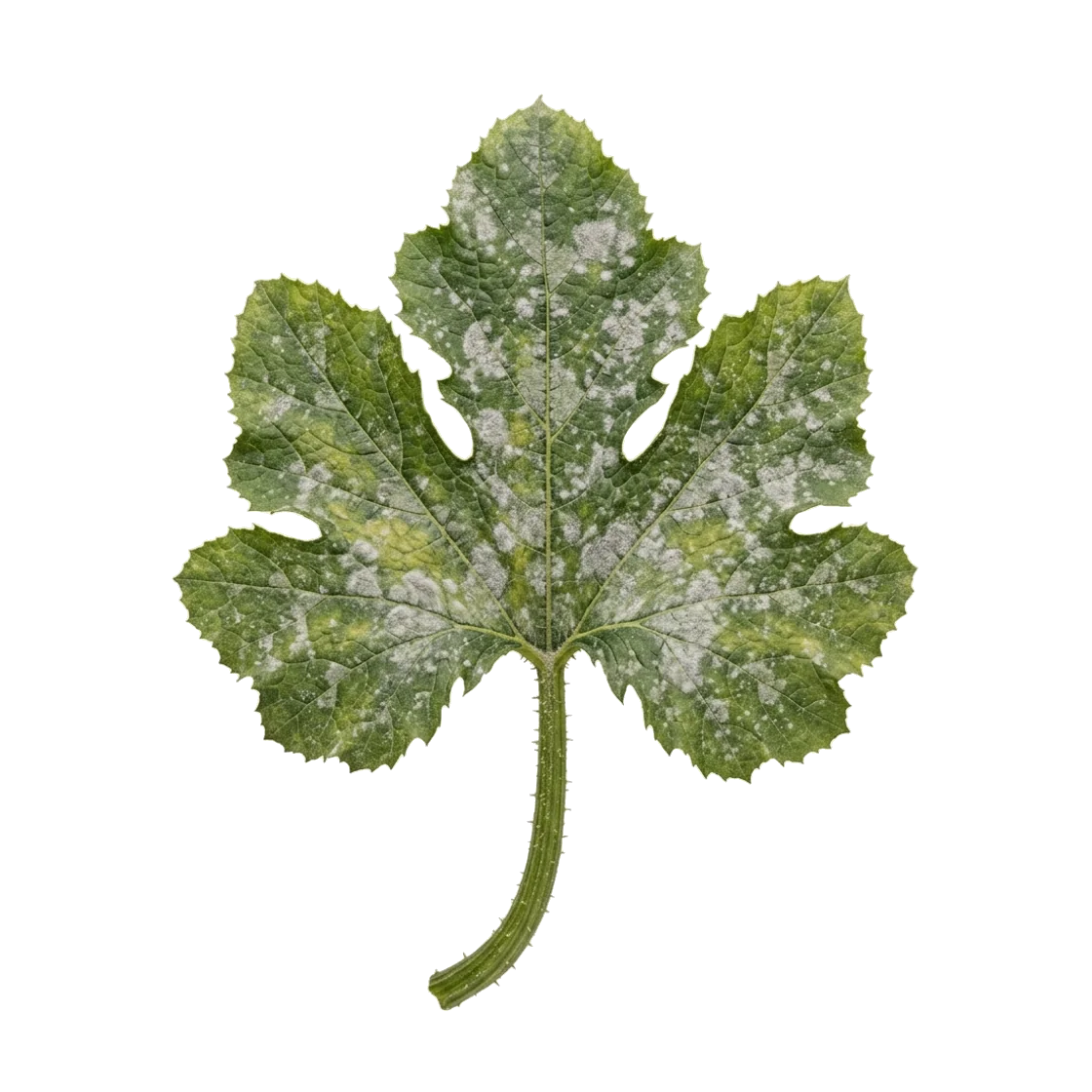
- Powdery mildew
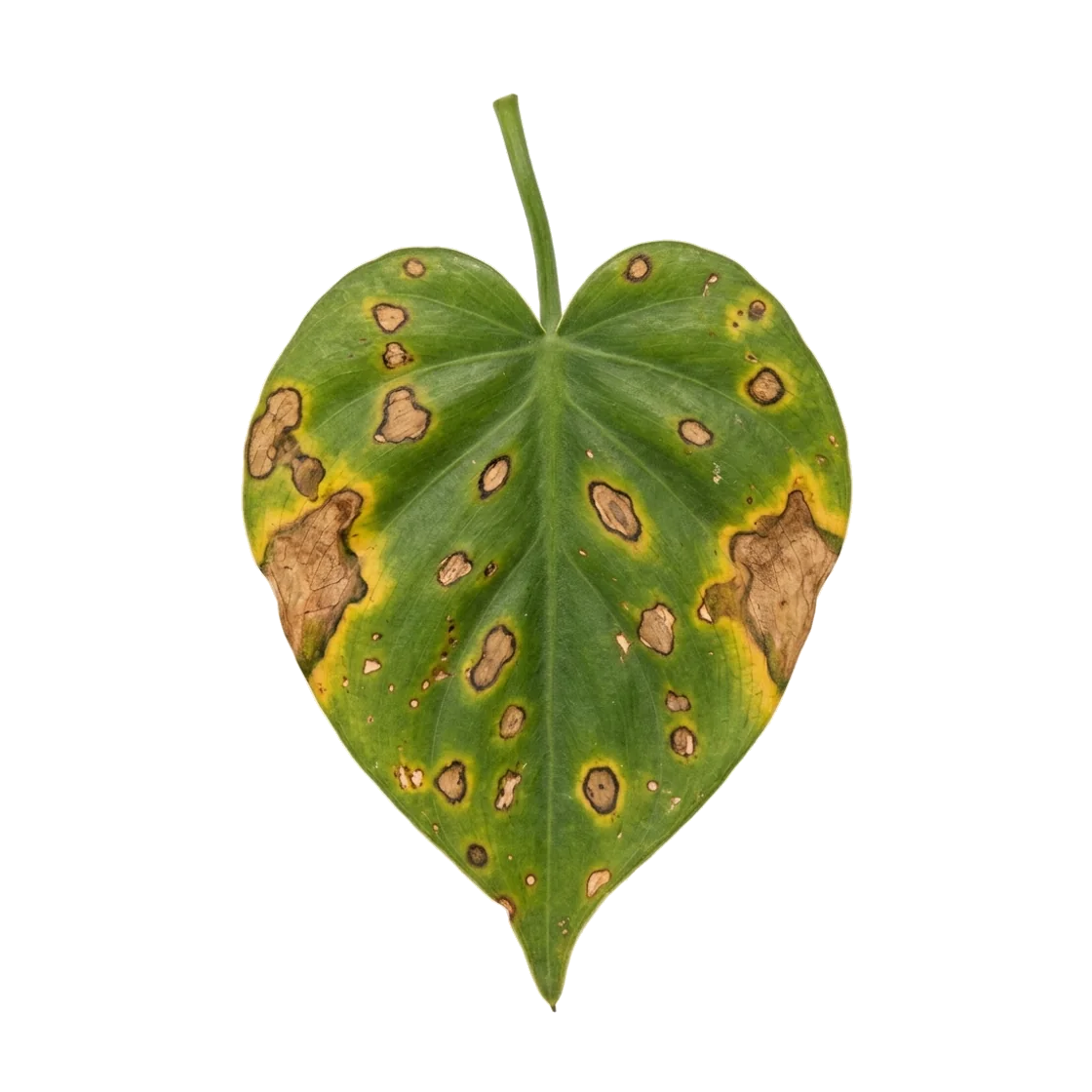
- Fungal or bacterial leaf spots
- Root rot
- Cold damage
- Overwatering



Frequently asked questions What people ask most.
Why are flowers and tiny fruitlets falling off prematurely?
Premature drop is commonly caused by sudden cold snaps, dry winds, or powdery mildew outbreaks affecting the flower panicle. Keep soil moisture regular without drenching the ground and shield blooming trees from chilly, drying drafts.
How many years does it take for a mango tree to produce fruit?
A grafted nursery tree typically bears its initial crop within three to four years of planting out. A tree started directly from seed takes much longer, generally taking between five and eight years to bear fruit.
What are the telltale signs of overwatering in a mango tree?
Overwatering leads to yellowing foliage, soft black leaf tips, and uncharacteristic shedding of mature green leaves. If these signs occur, pause watering until the soil dries deeply and verify that water drains away freely.
Can a mango tree grow successfully in a container long term?
Dwarf cultivars can live comfortably in large planters for several seasons with attentive watering and root maintenance. Over time, however, the vigorous taproot will seek unrestricted ground depth to sustain healthy canopy growth and full fruit production.