
Maidenhair tree
Ginkgo biloba
Maidenhair tree guide: planting, watering, pruning and care for a long-lived tree with famous golden autumn colour and practical growing advice.
- Light
- Full sun
- Temperature
- 12–26 °Cideal temperature
- Toxicity
- Non-toxic
- Difficulty
- Easy
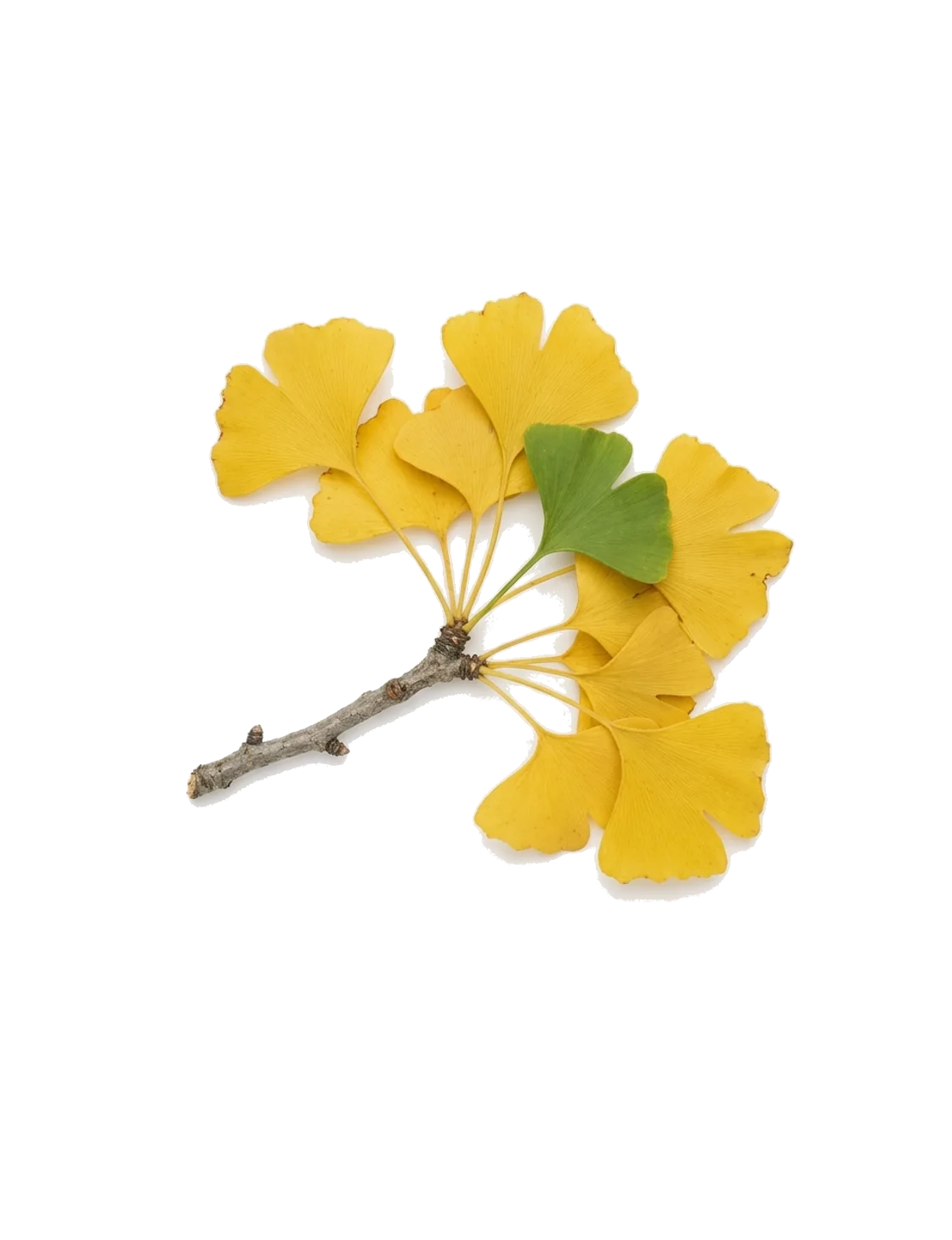
The maidenhair tree (Ginkgo biloba) is a deciduous tree of the family Ginkgoaceae, the only survivor of a plant lineage that lived alongside the dinosaurs. Native to China, it forms a stately conical crown with distinctive fan-shaped leaves that tremble on long stalks. In autumn the whole canopy turns a luminous gold before the leaves fall together over a few days.
It is an outdoor tree for gardens, parks and streets that tolerates cold, wind and urban air better than almost any other species. Trees are planted from autumn to spring with room for a broad crown and deep roots, and they grow slowly for the first years. Nurseries sell mostly male selections to avoid the strong-smelling fruits of female trees. Fallen golden leaves make a famous autumn carpet under old specimens.
Ginkgoes suit lawns, avenues and courtyards where their shape and autumn colour can be admired from a distance. They pair with spring bulbs beneath the canopy and with late perennials that fill the autumn border. Given sun, drained soil and time, a tree lives for centuries and becomes more striking every decade.
Did you know?A single tree carries male and female flowers on separate structures, and its fan leaves turn a clear gold in autumn.
Care. What it needs, point by point.
- Watering
- Water deeply during the first two dry seasons until roots spread, letting the surface dry between waterings. Established trees handle drought well and need watering only in extreme heat.
- Light
- Full sunPlant in full sun for even growth and the best autumn colour. It tolerates partial shade when young, though growth stays slower.
- Temperature
- 12–26 °C ideal temperatureIt grows best between 12 °C and 26 °C and withstands winter cold down to about -20 °C. Late spring frosts may mark young leaves, which are soon replaced.
- Soil
- Use deep, well-drained soil that is neutral to slightly acid. It tolerates urban ground but dislikes permanently waterlogged or heavily compacted soil.
- Fertilizer
- Young trees benefit from compost in spring; mature trees in good soil need no extra feeding. Avoid excess nitrogen, which forces weak late growth.
- Pruning
- Prune only to remove dead or crossing branches in late autumn or winter, when the tree is bare. It forms its shape naturally, so heavy pruning is rarely needed.
- Propagation
- Home gardeners plant nursery trees, as seed propagation needs fresh seed, cold stratification and years of patience. Named street forms are grafted for uniformity.
Where it grows. In the wild and in homes.
In the wild it grows in China, in a temperate climate.
People have also taken it to 7 more regions where it now grows on its own: temperate Asia, Europe, and North America.
Range: Plants of the World Online, Royal Botanic Gardens, Kew
Is Maidenhair tree toxic to cats and dogs?
The ASPCA doesn't list this species. If your pet has chewed it and seems unwell, call your vet.
Common problems What tends to go wrong.
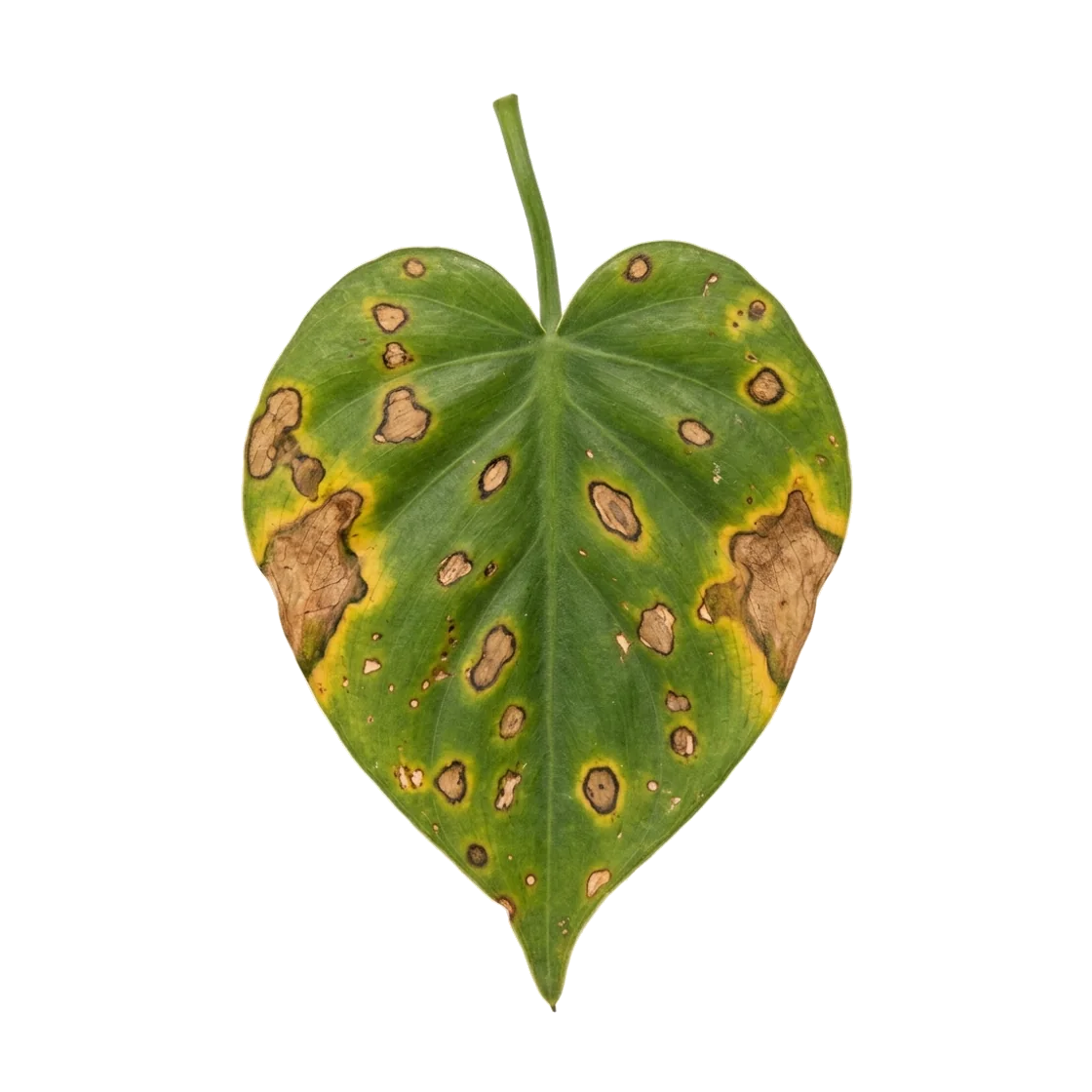
- Fungal or bacterial leaf spots
- Overwatering
- Cold damage
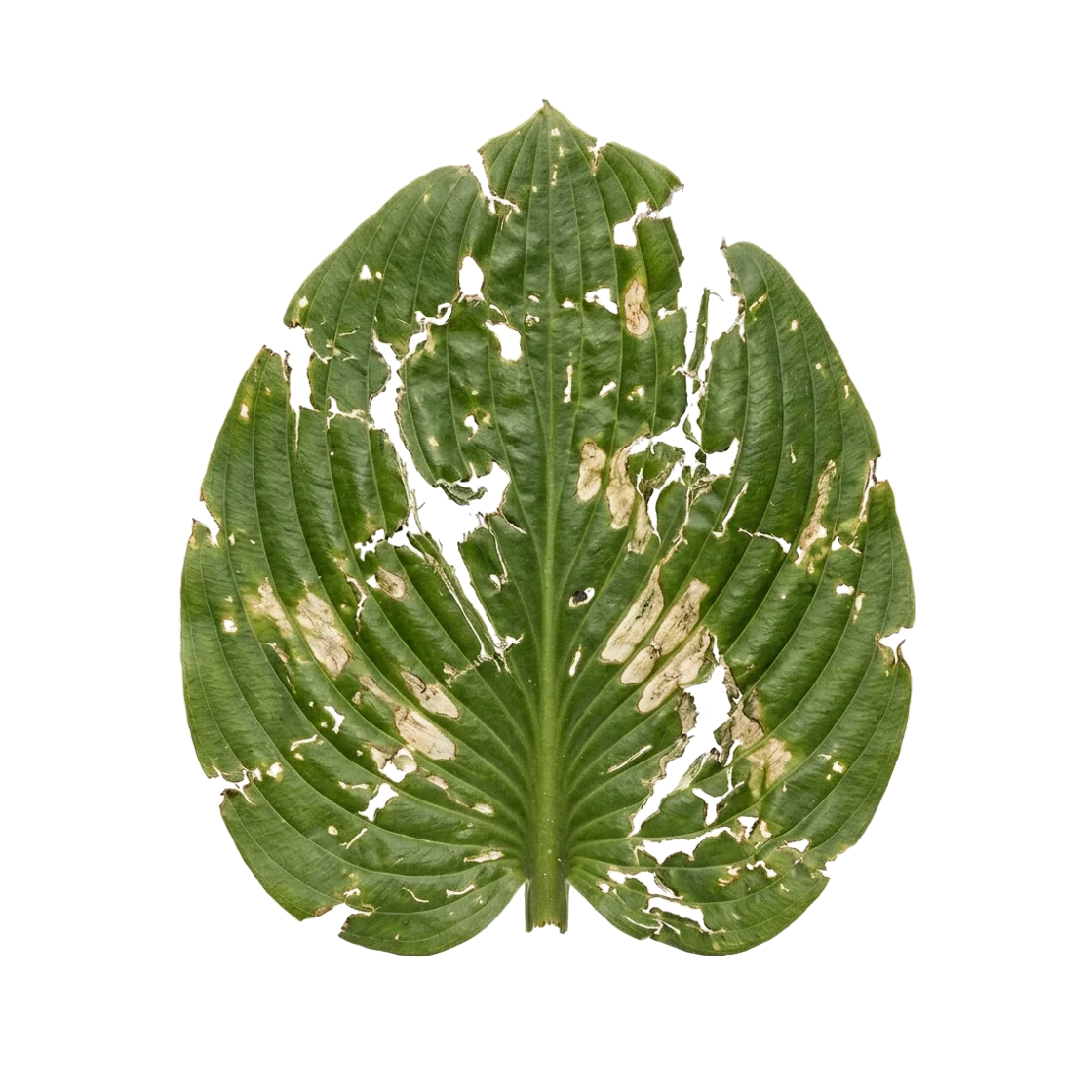
- Wind or hail damage


Frequently asked questions What people ask most.
Why is my ginkgo growing so slowly?
Slow early growth is normal, as ginkgoes spend their first years building deep roots. With sun, drained soil and steady summer moisture, the pace picks up year by year. Avoid moving the tree, because transplant shock sets it back.
How often should I water a ginkgo?
Water newly planted trees deeply every week or two during dry weather for the first two years. Established trees need extra water only in extreme prolonged drought. A mulch ring helps young roots stay cool and moist.
Does ginkgo need pruning?
Rarely, since it develops a balanced conical shape on its own. Remove only dead or crossing branches in winter while the crown is bare. Avoid topping the leader, which ruins the natural silhouette for years.
Why do the leaves turn yellow and fall?
The golden autumn colour followed by rapid leaf fall is the normal cycle of the species. Leaves falling green in summer usually point to drought or waterlogging. Check drainage and water deeply but infrequently during heatwaves.
Male or female tree: which should I plant?
Choose a male selection for home gardens, because female trees produce fruits with an unpleasant smell in autumn. Nurseries label grafted male varieties clearly. One male tree needs no female nearby to grow and colour well.