
Maidenhair fern
Adiantum raddianum
Discover essential Maidenhair fern (Adiantum raddianum) care tips: watering, humidity levels, and light conditions for healthy, feathery foliage.
- Light
- Indirect
- Watering
- 2–3×a week
- Temperature
- 16–24 °Cideal temperature
- Toxicity
- Non-toxic
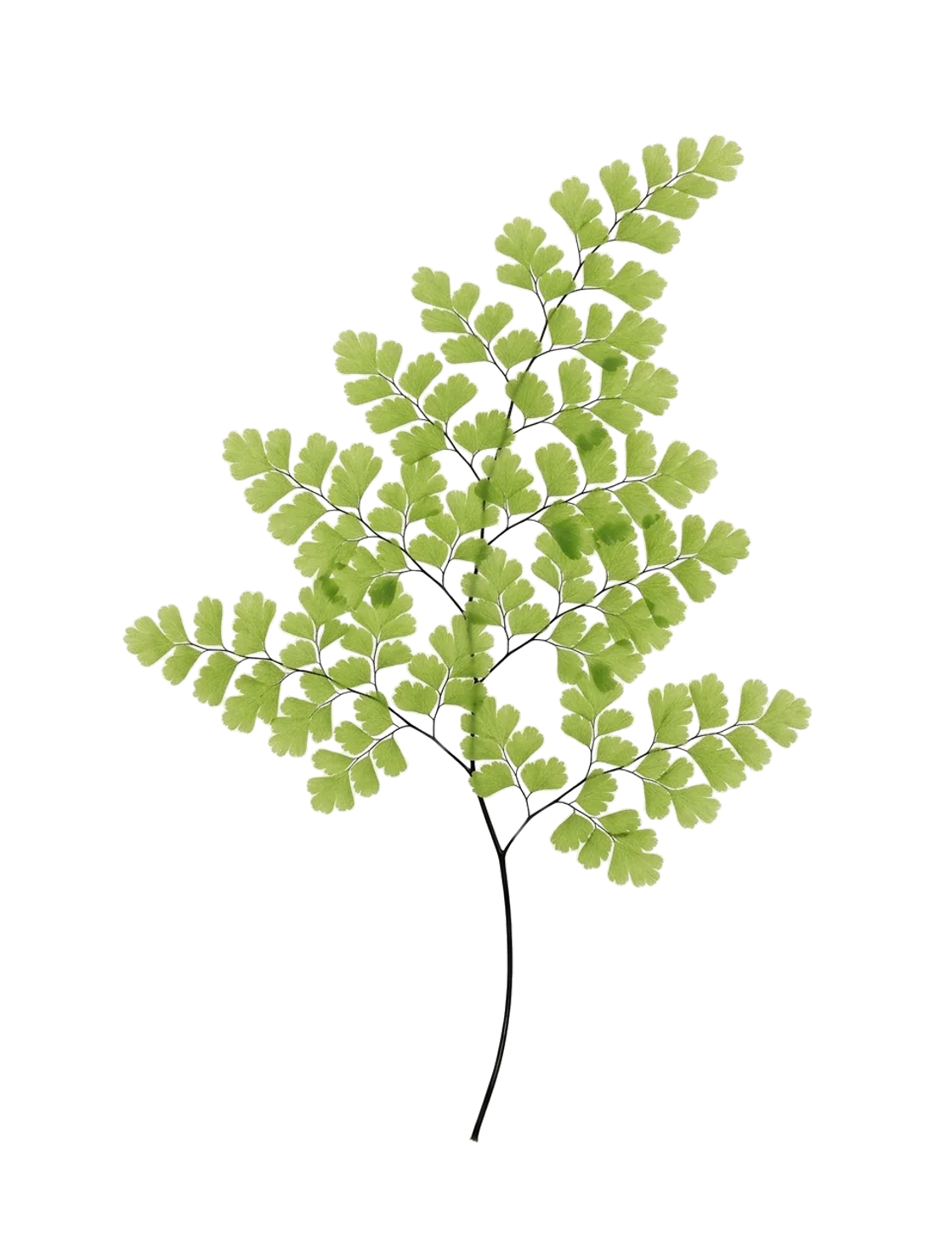
The Maidenhair fern (Adiantum raddianum) is widely celebrated as one of the most delicate and graceful houseplants available. It is easily recognized by its wiry, polished black stems that form an airy silhouette, gracefully supporting clusters of light green, fan-shaped leaflets that flutter with the slightest breeze.
Native to the tropical rainforests of Central and South America, this fern naturally carpets moist limestone ledges, shady riverbanks, and spray zones near waterfalls. These damp, protected environments provide a continuous supply of ambient moisture and gentle warmth, shielding the plant's delicate fronds from drying winds and harsh climatic extremes.
Although it has earned a reputation for being somewhat demanding in typical indoor living spaces, long-term success relies primarily on maintaining moisture balance. As long as you position it safely away from direct sunlight, supply consistent soil dampness without waterlogging the roots, and shield it from dry heating vents, this fern will flourish with vibrant green fronds.
Did you know?The botanical genus Adiantum comes from the Greek word meaning 'unwetted', referring to how water droplets effortlessly roll off its fronds without soaking them.
Care. What it needs, point by point.
- Watering
- 2–3× a weekWater two to three times a week during warm months and slightly reduce the frequency in winter, keeping the potting mix evenly moist at all times. Check the soil surface regularly: if the top layer begins to feel dry to the touch, water thoroughly before it dries out completely.
- Light
- IndirectPlace your fern in bright, indirect light or gentle, dappled shade where harsh sunlight cannot reach it. Direct sun will quickly scorch and permanently crisp the fragile foliage.
- Temperature
- 16–24 °C ideal temperatureThe ideal temperature range is between 16 °C and 24 °C (60 °F to 75 °F). Protect the plant from sudden drops below 10 °C as well as cold drafts and dry heat vents.
- Soil
- Use a rich, peat- or coco-coir-based potting mix amended with perlite to ensure excellent water retention alongside steady drainage.
- Fertilizer
- Feed once a month during spring and summer using a balanced liquid houseplant fertilizer diluted to half or quarter strength.
- Pruning
- Trim away brown or dried fronds at the base with sterilized scissors to keep the clump neat and stimulate new shoot growth.
- Propagation
- Propagate by division in early spring when repotting the plant into a fresh container. Gently divide the root ball into sections, ensuring each division has healthy roots and several emerging fronds.
Where it grows. In the wild and in homes.
In the wild it grows in South and Central America and the Caribbean and North America, in a wet tropical climate.
People have also taken it to 36 more regions where it now grows on its own: Africa, tropical Asia, Europe, and the Pacific.
Range: Plants of the World Online, Royal Botanic Gardens, Kew
Is Maidenhair fern toxic to cats and dogs?
The ASPCA doesn't list this species. If your pet has chewed it and seems unwell, call your vet.
Common problems What tends to go wrong.
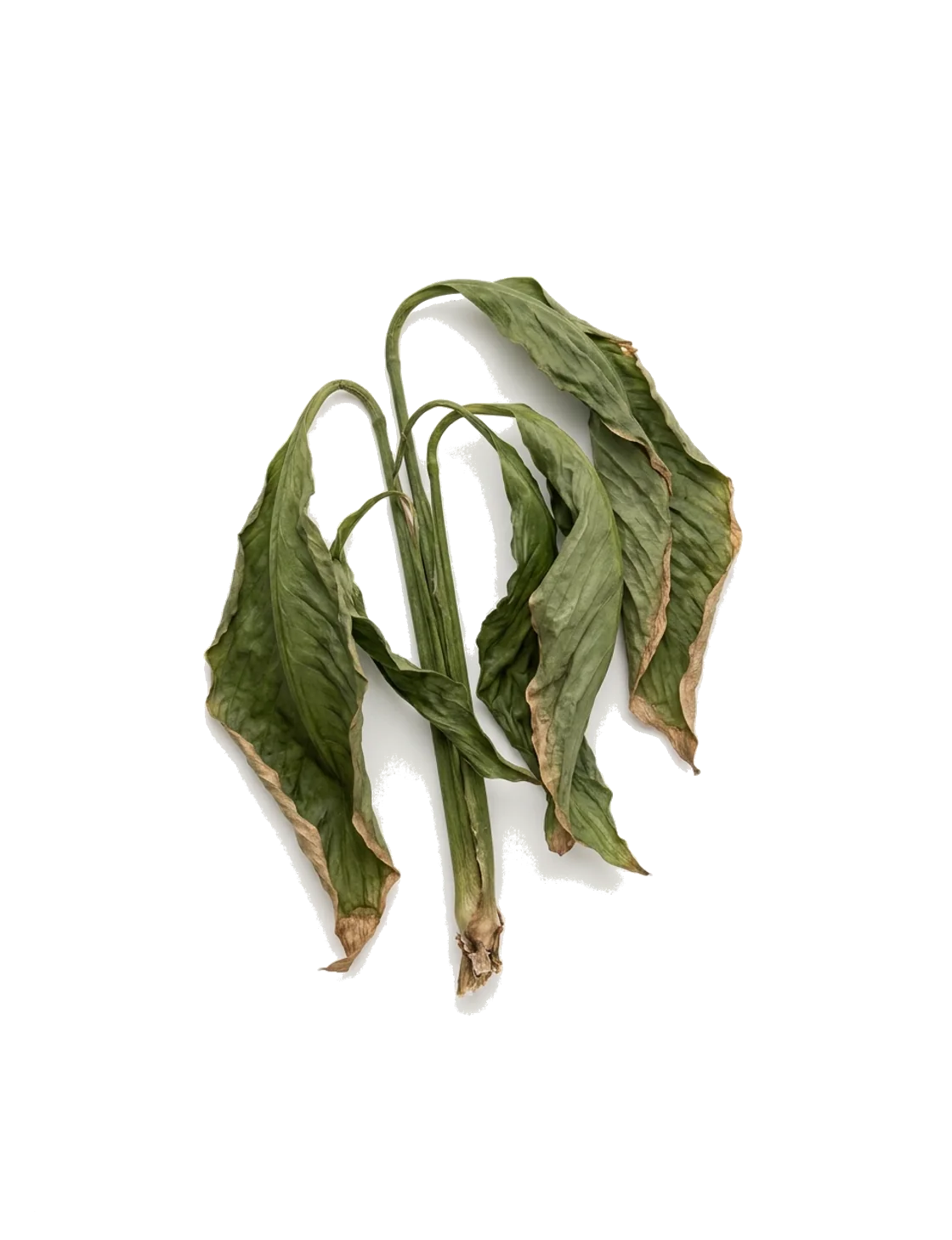
- Dry air
- Underwatering
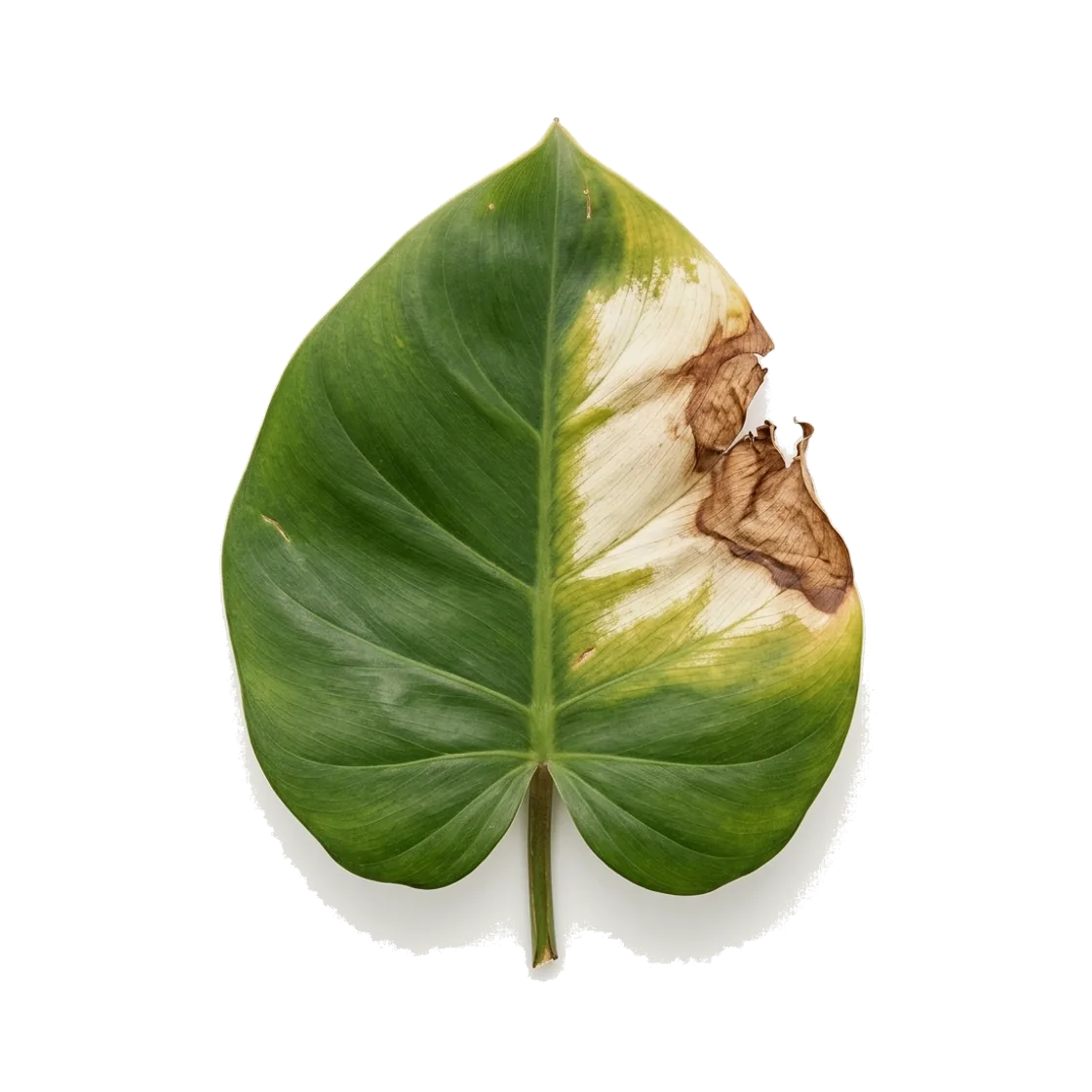
- Sunburn
- Root rot
- Cold damage



Frequently asked questions What people ask most.
Why are the fronds turning brown and crispy?
Brown, crispy foliage usually indicates low room humidity or underwatering that allowed the roots to dry out. Increase ambient humidity with a pebble tray or humidifier, and keep the soil consistently damp.
Can a dried-up maidenhair fern recover?
Yes, maidenhair ferns can often regrow even after losing all their above-ground foliage. Cut back all shriveled fronds to the soil line, maintain steady moisture and humidity, and new green fiddleheads should emerge within a few weeks.
Can I keep a maidenhair fern in the bathroom?
A bathroom is often an ideal location provided it has a window that provides adequate natural light. The regular steam from baths and showers naturally satisfies the high humidity levels this fern craves.
Why are the fronds yellowing or bleaching?
Yellowing fronds typically point to excess direct sun exposure, waterlogged potting mix causing root suffocation, or chemical sensitivity to hard tap water. Shift the plant to filtered shade and ensure excess water drains freely.