
Laurustinus
Viburnum tinus
Learn how to grow and care for Laurustinus (Viburnum tinus). Expert tips on winter flowering, watering, soil drainage, pruning, and sun requirements.
- Light
- Full sun
- Watering
- 1–2×a week
- Temperature
- -10–35 °Cideal temperature
- Toxicity
- Non-toxic
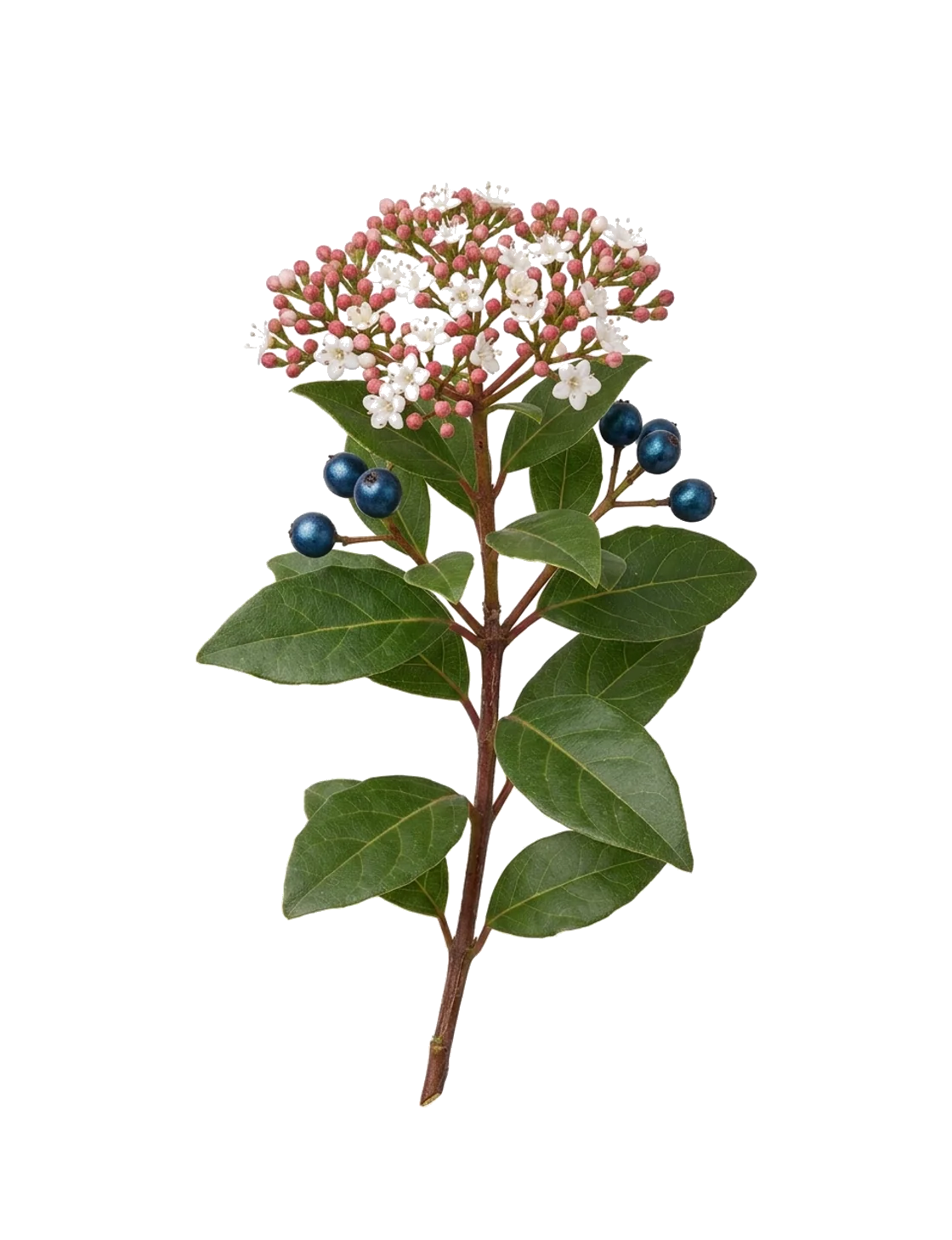
Laurustinus (Viburnum tinus) is a versatile evergreen shrub cherished in temperate and Mediterranean gardens for its robust nature and handsome year-round presence. Its dense habit and dark green, ovate foliage provide dependable structure, privacy, and wind protection across all four seasons. Reaching up to three meters in height, it responds exceptionally well to regular shaping.
What truly sets this shrub apart is its invaluable winter blooming habit. From late autumn through early spring, clusters of reddish-pink buds open into scented, star-shaped white flowers that brighten gloomy days. As the flowers fade, they develop into striking metallic-blue berries that turn dark over time, offering prolonged ornamental interest and sustaining local garden birds.
Resilient and low-maintenance, Laurustinus tolerates urban pollution, coastal breezes, and periods of moderate drought once firmly established. It thrives whether planted as a dense formal hedge, grouped in mixed shrub borders, or potted into large terrace containers. With proper drainage and sensible care, it stays lush and vibrant year after year.
Did you know?Laurustinus often displays its metallic blue fruit clusters alongside newly opening flower buds, creating a simultaneous show of flowers and berries.
Care. What it needs, point by point.
- Watering
- 1–2× a weekWater moderately once or twice a week during hot summer spells, reducing frequency to every ten to fifteen days in winter. Check that the top two inches of soil have dried out before watering to prevent root saturation.
- Light
- Full sunLaurustinus performs best in full sun to partial shade. While it tolerates shady spots, brighter sunlight promotes denser foliage and far more abundant flowering.
- Temperature
- -10–35 °C ideal temperatureIt thrives within a wide temperature range between -10 °C and 35 °C (14 °F to 95 °F). Established plants tolerate moderate frosts well, though young specimens benefit from shelter against freezing winds.
- Soil
- Plant in fertile, loamy soil with excellent drainage to ensure roots never sit in standing water. It adapts easily to chalky, neutral, or slightly acidic garden soils.
- Fertilizer
- Apply an organic mulch or compost around the base in autumn, followed by a balanced slow-release fertilizer in early spring. Avoid excessive feeding in late summer to prevent soft growth before winter frosts arrive.
- Pruning
- Prune immediately after flowering concludes in late spring to shape the plant and maintain dense branching. Avoid trimming late in the season so you do not cut off the developing flower buds for the coming winter.
- Propagation
- Propagate through semi-hardwood cuttings taken in late summer using a well-draining rooting medium. It can also be grown from cleaned seeds after a period of cold stratification over winter.
Where it grows. In the wild and in homes.
In the wild it grows in Europe, temperate Asia, and Africa, in a subtropical climate.
People have also taken it to 8 more regions where it now grows on its own: North America, Europe, Africa, and Australasia.
Range: Plants of the World Online, Royal Botanic Gardens, Kew
Is Laurustinus toxic to cats and dogs?
The ASPCA doesn't list this species. If your pet has chewed it and seems unwell, call your vet.
Gallery As the community sees it.
Photo · Didier Descouens · CC BY-SA 4.0
Common problems What tends to go wrong.
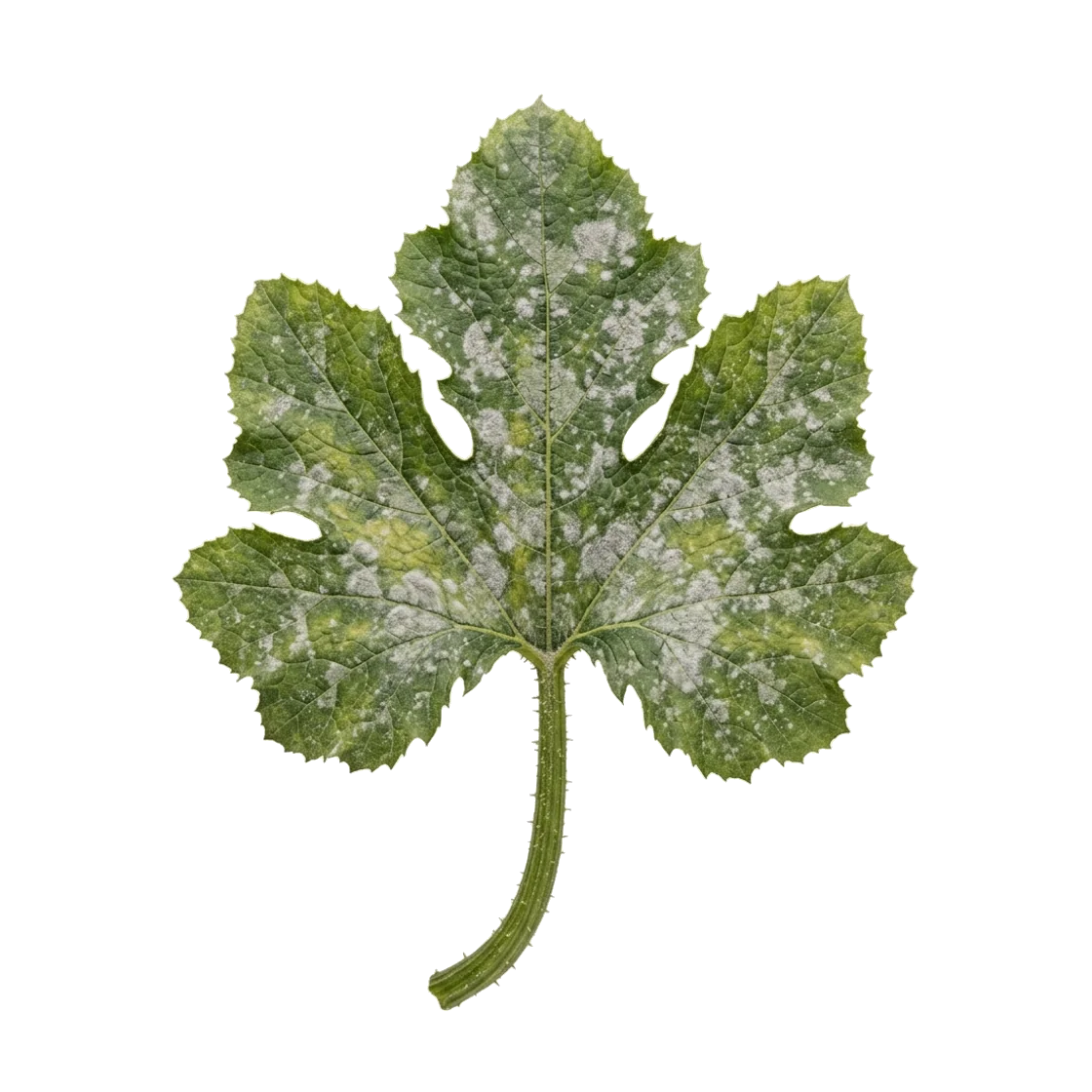
- Powdery mildew
- Aphids
- Spider mites
- Root rot



Frequently asked questions What people ask most.
Why are my Laurustinus leaves turning brown or dropping?
Leaf drop is usually caused by overwatering, poor root drainage, or drought stress during hot spells. It can also indicate spider mites in dry conditions; check the undersides of leaves and monitor soil moisture.
When is the best time to prune Laurustinus?
The ideal time to prune is late spring, right after the shrub finishes flowering. Trimming late in summer or autumn will inadvertently remove the flower buds prepared for the following winter season.
Why is my Laurustinus not producing flowers?
A lack of flowers is usually caused by excessive shade, pruning too late in the year, or high-nitrogen fertilizers that encourage leaves over blooms. Provide more direct sunlight and limit nitrogen applications.
Can Laurustinus be grown in containers?
Yes, it thrives in large pots as long as they provide adequate drainage holes and a porous, gritty potting mix. Potted specimens will dry out faster and require more frequent watering during summer than garden plants.