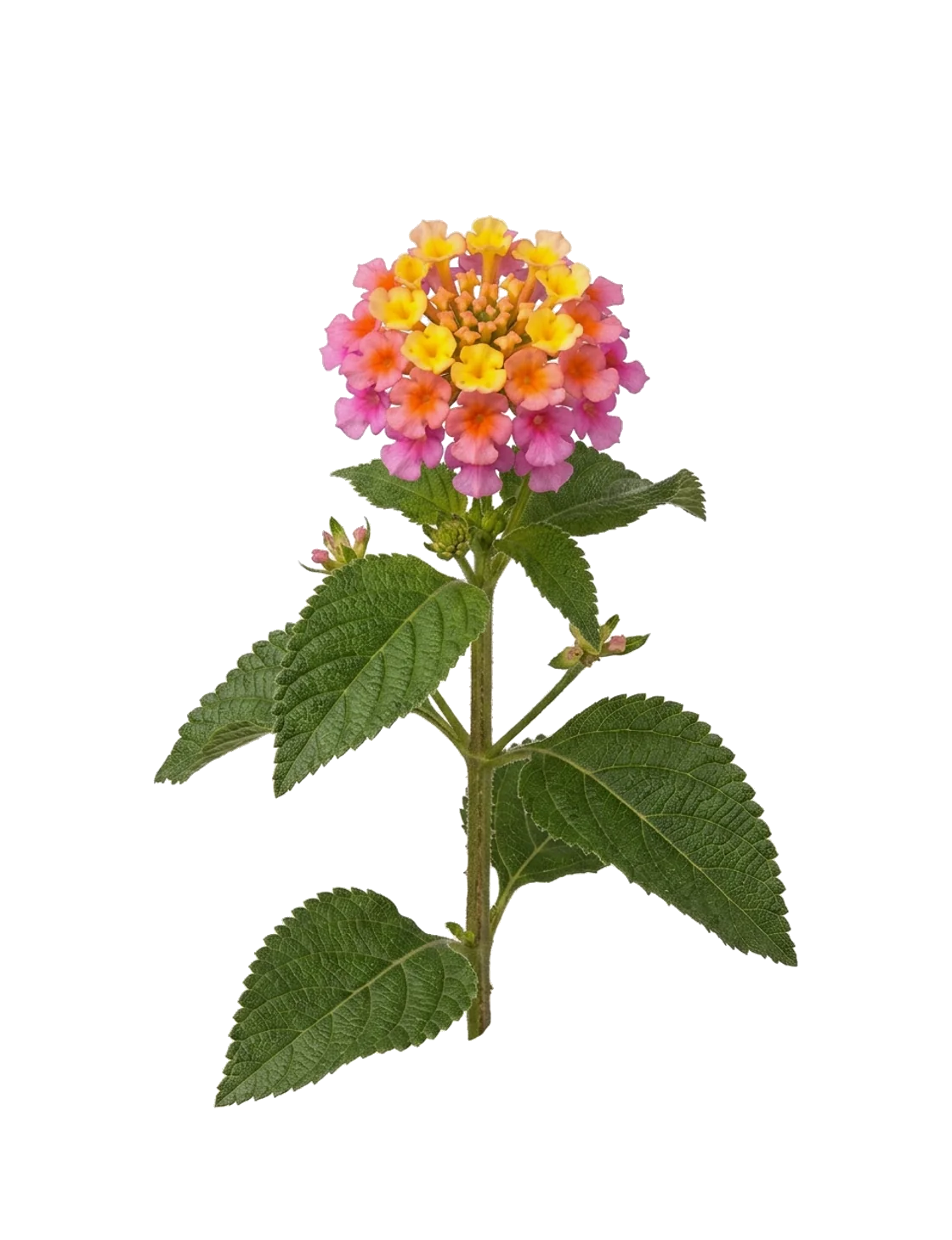
Lantana (Lantana camara) is a hardy, sun-loving perennial shrub widely celebrated for its vibrant, multi-colored flower clusters and exceptional resilience. Its dense flower heads typically display striking transitions from yellow and orange to red or pink as the individual blossoms mature, creating a lively multicolored display throughout the warmer months.
Native to tropical America, this plant is well known for its remarkable heat and drought tolerance once firmly established in the ground or in patio containers. Its dark green leaves feature a rough texture, serrated edges, and a distinct herbal fragrance when crushed or brushed against during garden maintenance.
To keep lantana blooming profusely and maintaining a neat, bushy habit, it requires full sun exposure and well-drained soil. In regions prone to frost, it is frequently grown as an annual or dies back to the ground in winter, re-emerging vigorously when warm spring weather returns.
Did you know?The individual florets change color as they mature after pollination, which is why a single flower cluster often features multiple distinct shades.
Care. What it needs, point by point.
- Watering
- 1–2× a weekWater once or twice a week during hot summer periods, reducing moisture to every ten to fourteen days in winter. Check that the top couple of inches of soil are dry before watering, as lantana suffers quickly in soggy conditions.
- Light
- 6 h of direct sunPosition lantana in full sun where it receives at least six hours of direct sunlight each day. Shady conditions lead to sparse flowering, pale foliage, and weak, leggy stems.
- Temperature
- 18–32 °C ideal temperatureThis shrub thrives in temperatures between 18 °C and 32 °C. It is sensitive to frost and sustained temperatures below 0 °C will damage or kill top growth.
- Soil
- Use a light, well-draining potting mix or garden soil with good aeration, such as a sandy loam. Heavy clay soils that retain water should be amended with perlite or coarse sand.
- Fertilizer
- Feed once a month from spring through late summer using a balanced flowering plant fertilizer. Avoid fertilizers high in nitrogen, which encourage excess foliage at the expense of flower buds.
- Pruning
- Cut the shrub back hard in late winter or early spring to encourage bushy new growth and maintain a compact shape. Deadheading spent flower heads periodically throughout summer will prolong the flowering season.
- Propagation
- Propagate lantana easily by taking semi-hardwood stem cuttings during late spring or summer. Seeds can also be sown in early spring after a brief warm-water soaking.
Where it grows. In the wild and in homes.
In the wild it grows in South and Central America and the Caribbean and North America, in a subtropical climate.
People have also taken it to 27 more regions where it now grows on its own: the Pacific, tropical Asia, Africa, and South and Central America and the Caribbean.
Range: Plants of the World Online, Royal Botanic Gardens, Kew
Is Lantana toxic to cats and dogs?
Toxic to cats and dogs.

Cats
Toxic

Dogs
Toxic
Usual signs
Vomiting, diarrhea, labored breathing, weakness, and liver failure, which is more common in livestock.
If your pet has chewed it and shows symptoms, call your vet or the nearest emergency vet.
Source · ASPCA Animal Poison Control
Common problems What tends to go wrong.
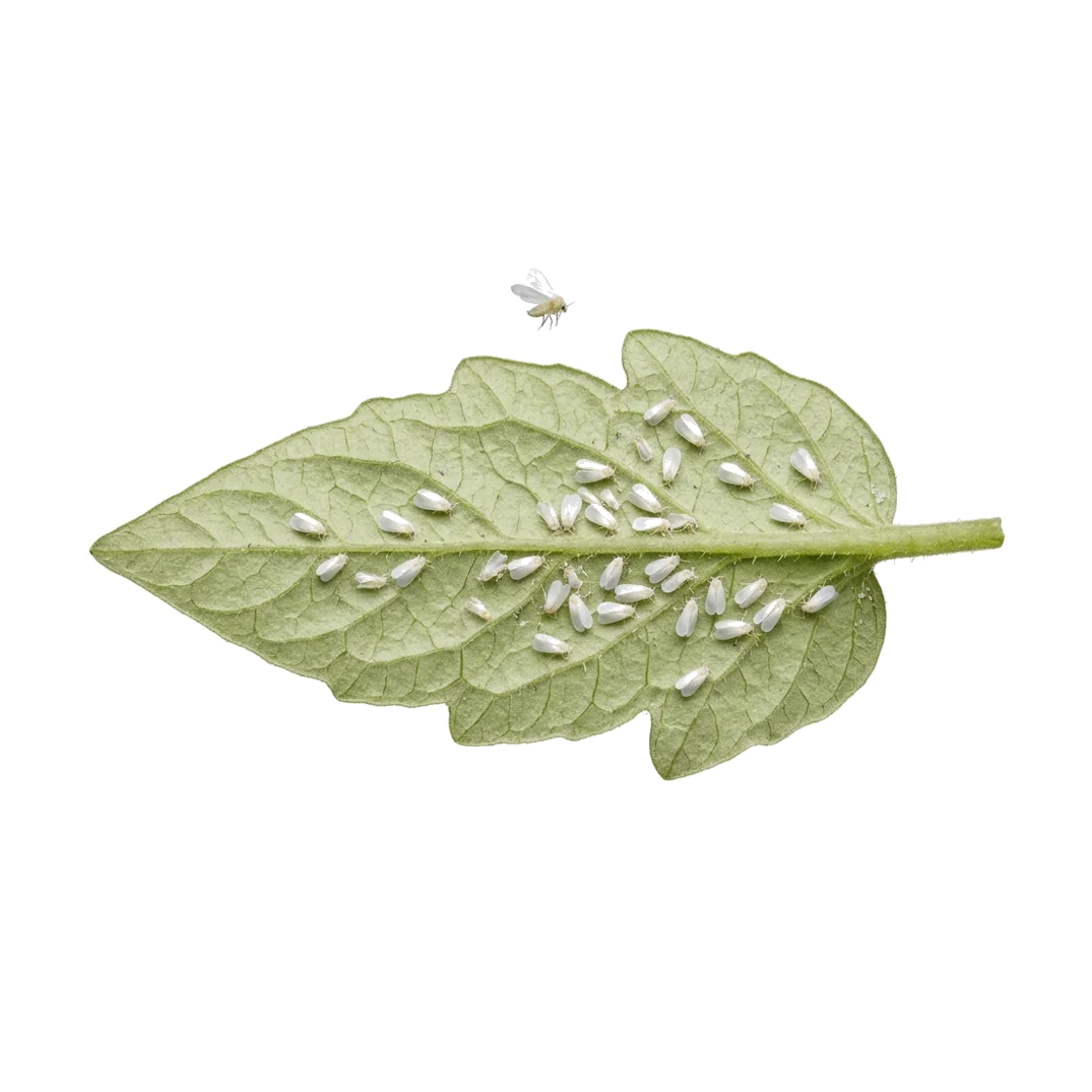
- Whitefly
- Spider mites
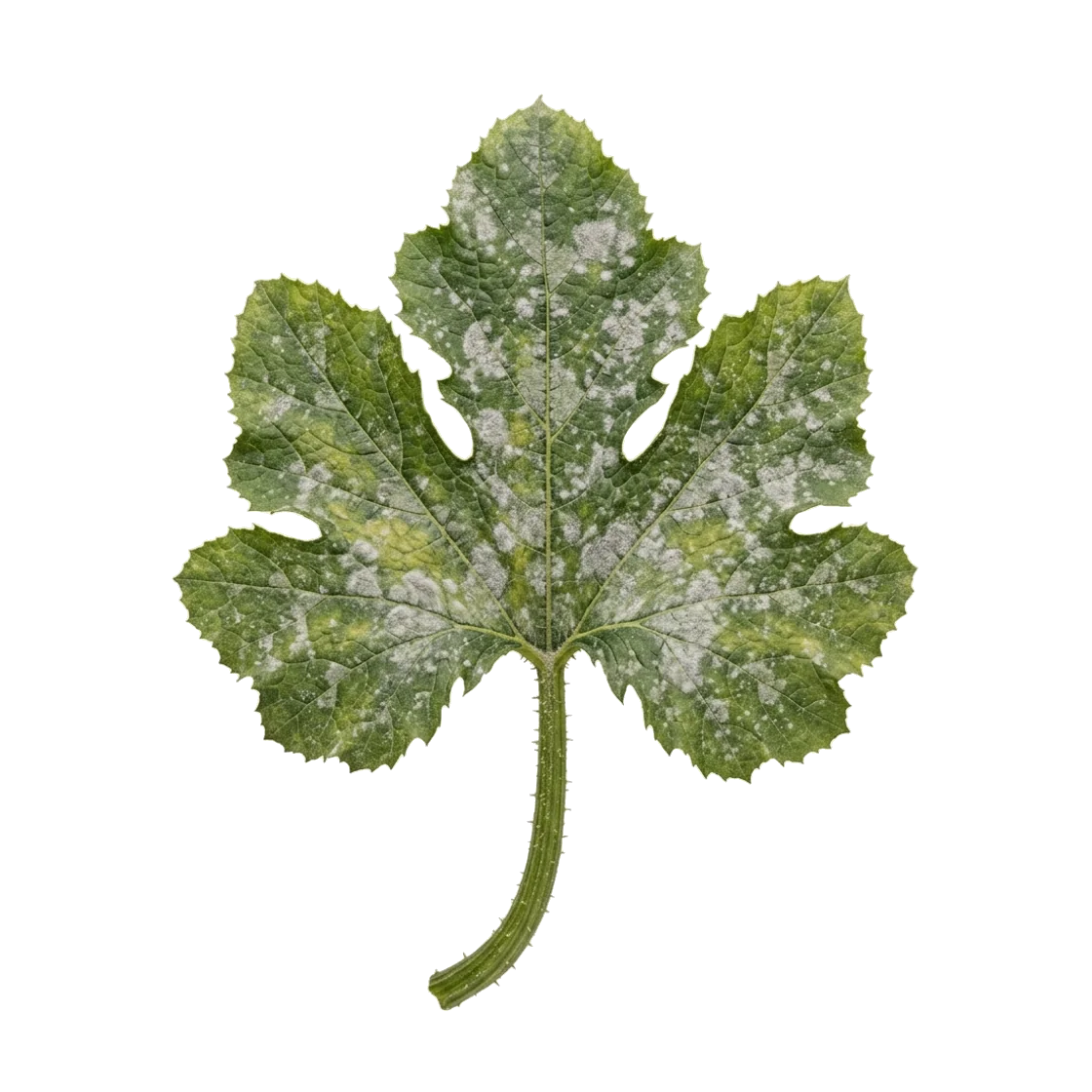
- Powdery mildew
- Cold damage
- Root rot



Frequently asked questions What people ask most.
Why is my lantana not blooming?
The most common reason is inadequate sunlight, as lantana requires full sun for most of the day to set flower buds. Excessive nitrogen fertilization can also cause lush green leaves while preventing flowers from developing.
How do I protect lantana over winter?
In areas with light frosts, apply a thick layer of organic mulch around the root zone to insulate the crown. Container-grown plants should be moved to a sheltered patio or unheated greenhouse before freezing temperatures arrive.
Why are the leaves turning yellow and dropping?
Yellowing leaves are typically caused by overwatering or compacted soil that retains excessive moisture around the root system. Allow the soil to dry out between waterings and confirm that container drainage holes are clear.
When and how should I prune lantana?
Prune the plant back by up to a third or half its size in late winter before fresh spring growth begins. Light trimming and removing spent blooms throughout the summer will keep the plant tidy and stimulate repeat blooming.