
Kousa dogwood
Cornus kousa
Learn how to grow and care for Kousa dogwood (Cornus kousa). Tips on watering, sun exposure, acidic soil, and seasonal pruning for best blooms.
- Light
- Full sun
- Toxicity
- Non-toxic
- Difficulty
- Medium
- Type
- Árbol
Kousa dogwood (Cornus kousa) is a small to medium-sized deciduous tree celebrated for its year-round beauty and graceful horizontal branching. Native to the mountain woodlands of East Asia, it grows at a moderate pace, making it an exceptional focal point for residential landscapes, woodland borders, and spacious home gardens.
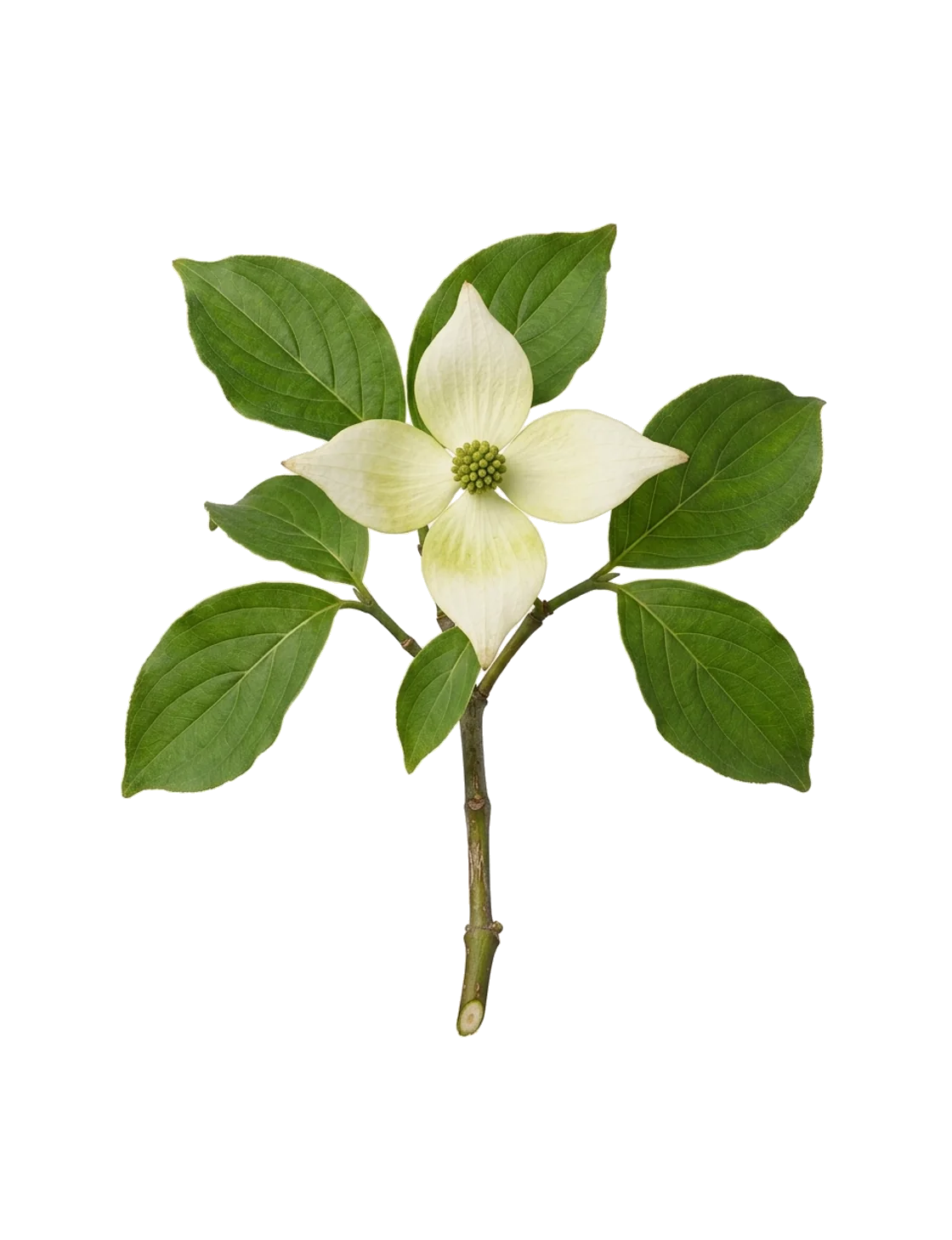
Late in spring, several weeks after foliage emerges, the tree produces a dramatic display of pointed white or cream petal-like bracts surrounding tiny central flowers. As summer transitions to autumn, these blossoms give way to distinctive, pinkish-red berry-like fruits that resemble raspberries, while the lush green leaves transform into vivid shades of crimson, purple, and bronze.
To thrive, this species requires a sheltered position with adequate sunlight and deep, well-draining soil that retains steady moisture. It is notably hardier and more disease-resistant than other flowering dogwoods, particularly against fungal leaf blights, provided it is kept away from heavily compacted or alkaline ground.
Did you know?The prominent white blooms are actually modified leaves called bracts, while the true flowers are clustered tightly in the small central dome.
Care. What it needs, point by point.
- Watering
- Provide regular, deep watering to keep the soil consistently moist, particularly during the first few growing seasons after planting. Check soil moisture by feeling the top few inches of earth and irrigate thoroughly whenever the surface feels dry. Reduce watering in late autumn and winter when the tree is dormant.
- Light
- Full sunPlant in full sun to partial shade for optimal flower production and strong branch development. In hot southern climates, provide dappled afternoon shade to shield delicate foliage from harsh midday heat.
- Temperature
- This hardy tree tolerates severe winter chills and frost down to approximately -20 °C without issue. However, persistent summer temperatures exceeding 32 °C combined with dry winds can scorch leaves if soil moisture is lacking.
- Soil
- Grow in fertile, organically rich, and well-drained soil with an acidic to neutral pH. Avoid alkaline or waterlogged soils, which lead to yellowing leaves and root suffocation.
- Fertilizer
- Top-dress the root zone with well-rotted organic compost or a slow-release balanced fertilizer in early spring. Avoid heavy nitrogen applications, which spur excessive leafy growth at the expense of floral bracts.
- Pruning
- Pruning needs are minimal, limited primarily to removing dead, diseased, or crossing branches in late winter. Preserve its natural layered canopy by avoiding drastic heading cuts or unnatural shaping.
- Propagation
- Propagate by sowing seeds after cold stratification, though seedlings may take many years to flower. Softwood or semi-hardwood cuttings taken in early summer offer a more reliable way to reproduce specific cultivars.
Where it grows. In the wild and in homes.
In the wild it grows in China, East Asia, and the Indian subcontinent, in a temperate climate.
People have also taken it to 4 more regions where it now grows on its own: the northeastern U.S., the north-central Pacific, and the southeastern U.S..
Range: Plants of the World Online, Royal Botanic Gardens, Kew
Is Kousa dogwood toxic to cats and dogs?
The ASPCA doesn't list this species. If your pet has chewed it and seems unwell, call your vet.
Gallery As the community sees it.
Photo · Gogerr · CC BY-SA 4.0
Common problems What tends to go wrong.
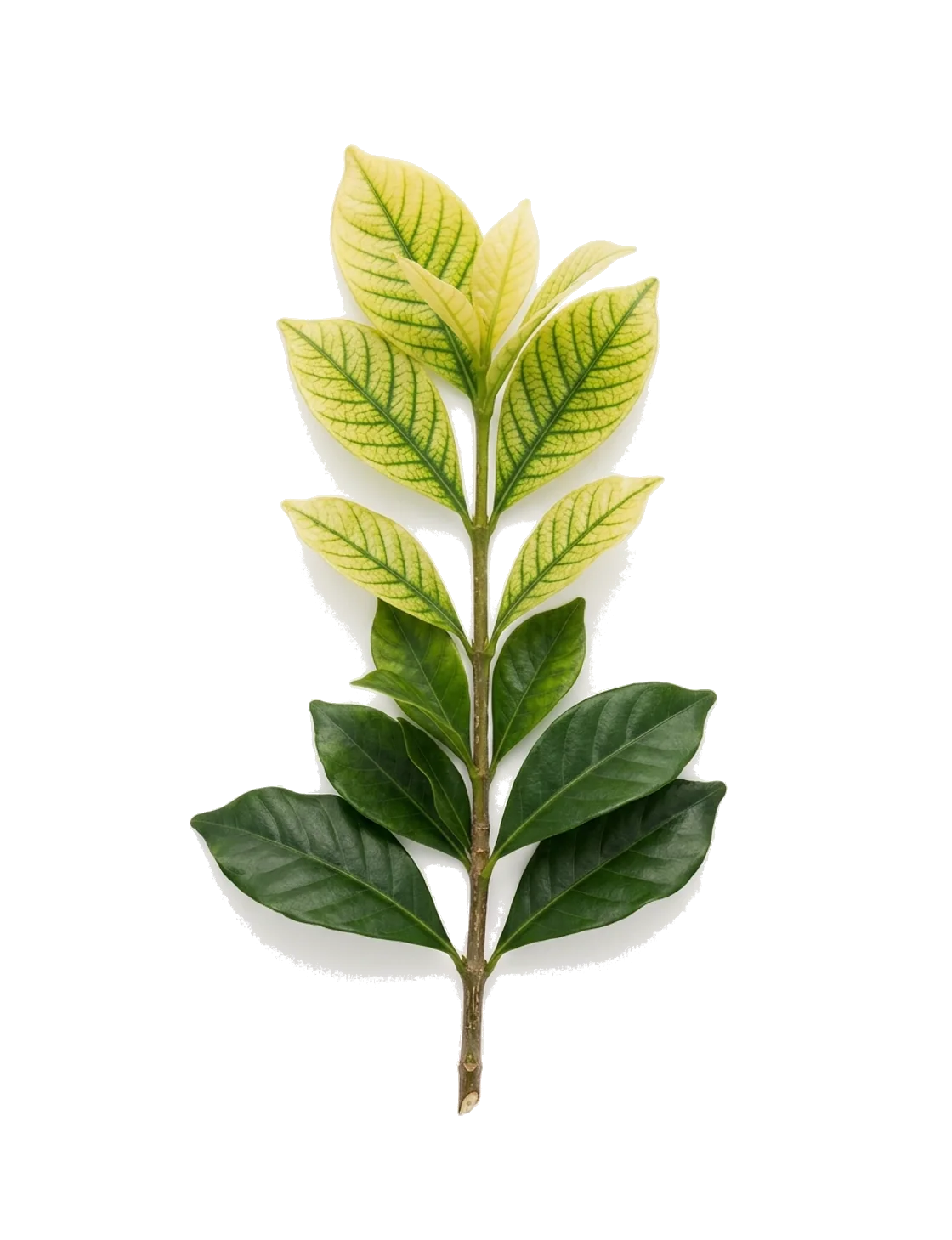
- Iron chlorosis
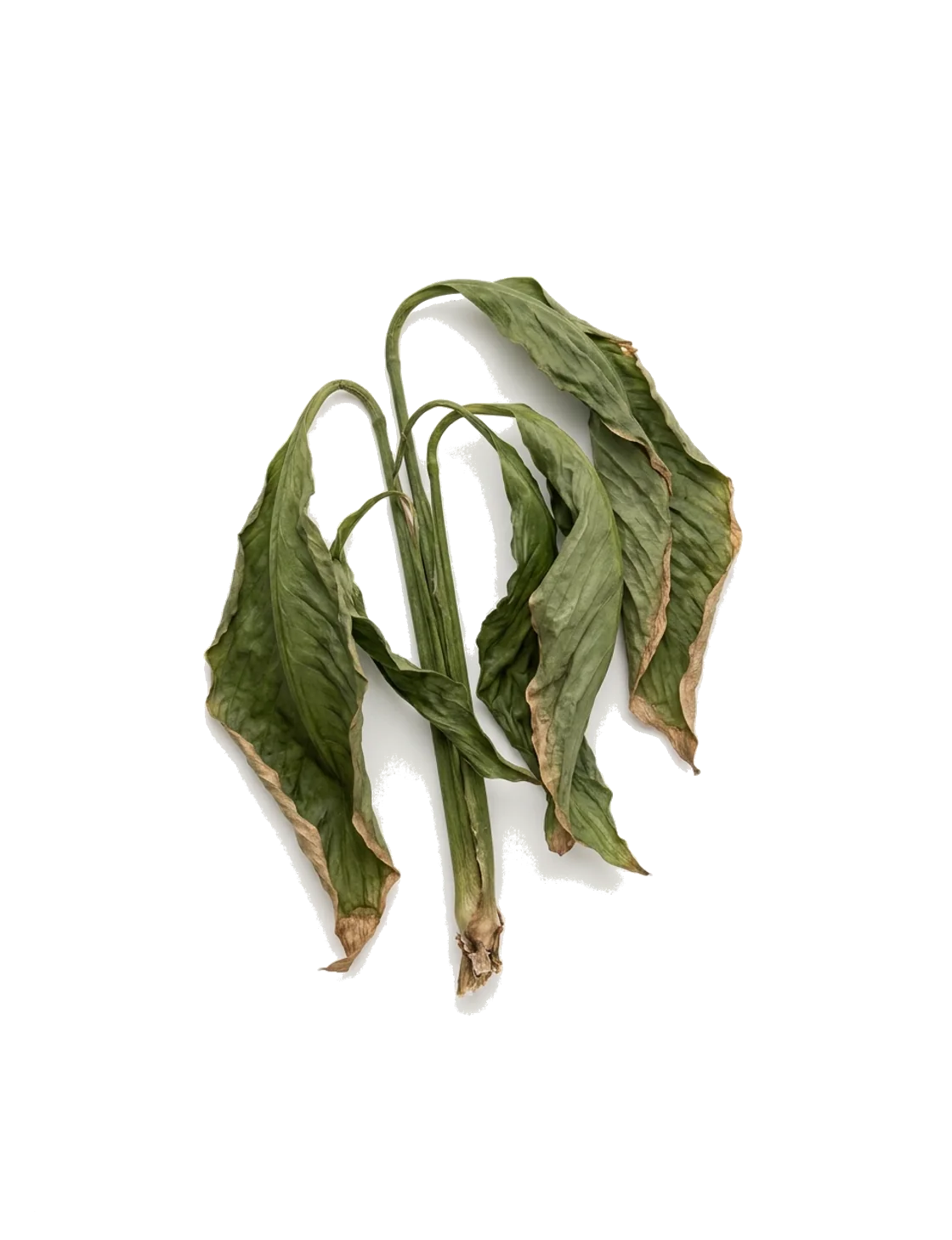
- Underwatering
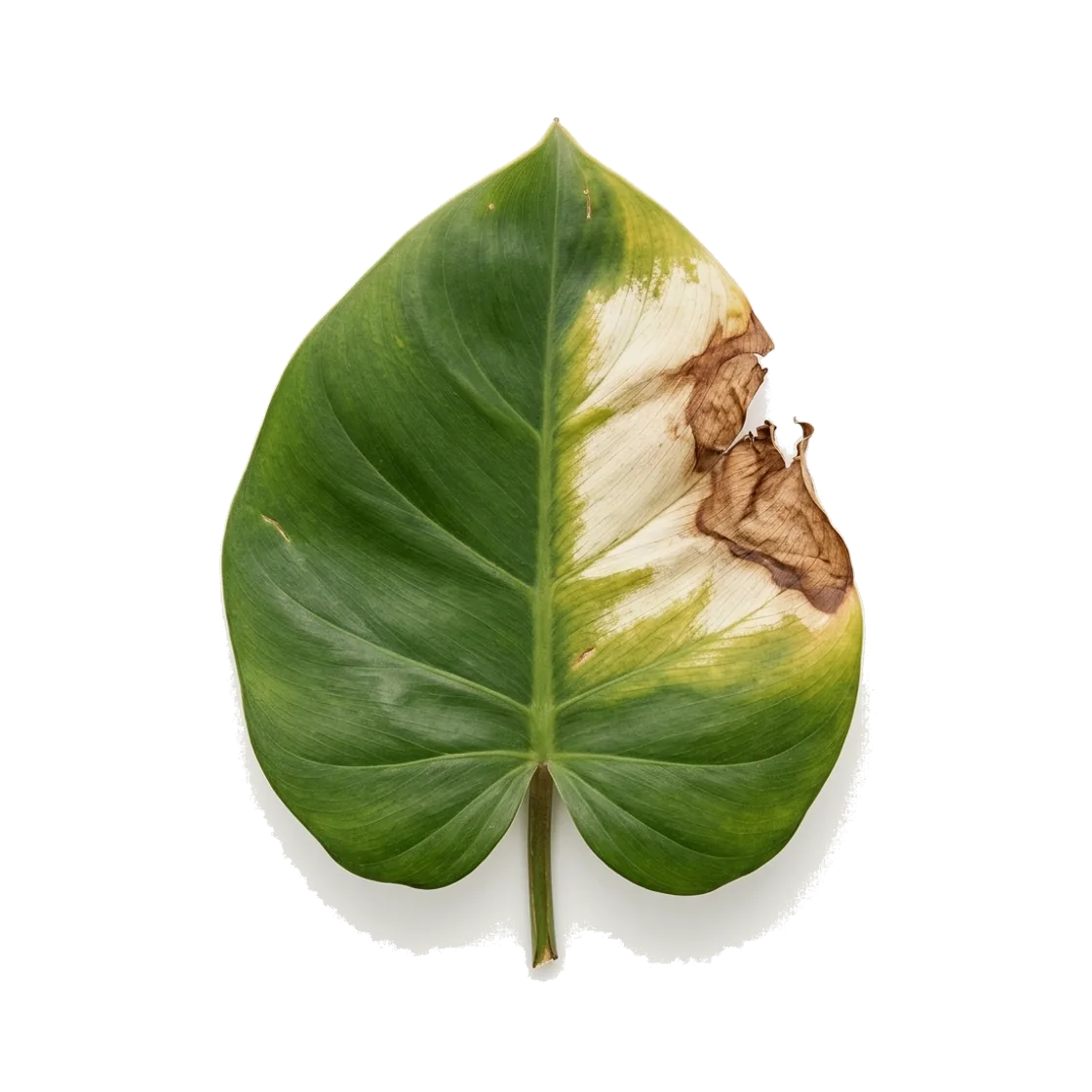
- Sunburn
- Powdery mildew

Frequently asked questions What people ask most.
Why are my Kousa dogwood leaves turning yellow?
Interveinal yellowing is typically a sign of iron chlorosis caused by high soil pH or poor drainage. Apply chelated iron to address symptoms and amend the surrounding soil with organic compost to lower the pH.
Are Kousa dogwood berries edible?
Yes, the round, raspberry-like fruits are edible and feature a sweet, creamy pulp with hints of peach and pumpkin. The outer skin has a gritty texture, so most people discard the rind and eat only the soft interior.
Why is my Kousa dogwood not flowering?
Young trees often need several years to establish their root systems before producing reliable blossoms. Insufficient sunlight or over-fertilizing with high-nitrogen plant food can also inhibit the formation of flower buds.
When is the best time to plant a Kousa dogwood?
Plant dormant bare-root or container specimens in early spring before new growth emerges, or in mid-autumn after leaves drop. Planting during cooler months allows the root system to establish without heat stress.