
Japanese spindle
Euonymus japonicus
Japanese spindle (Euonymus japonicus): glossy evergreen for hedges, topiary and pots, with pruning, watering, mildew and variegated-leaf care tips.
- Light
- Full sun
- Temperature
- 15–24 °Cideal temperature
- Toxicity
- Non-toxic
- Difficulty
- Easy
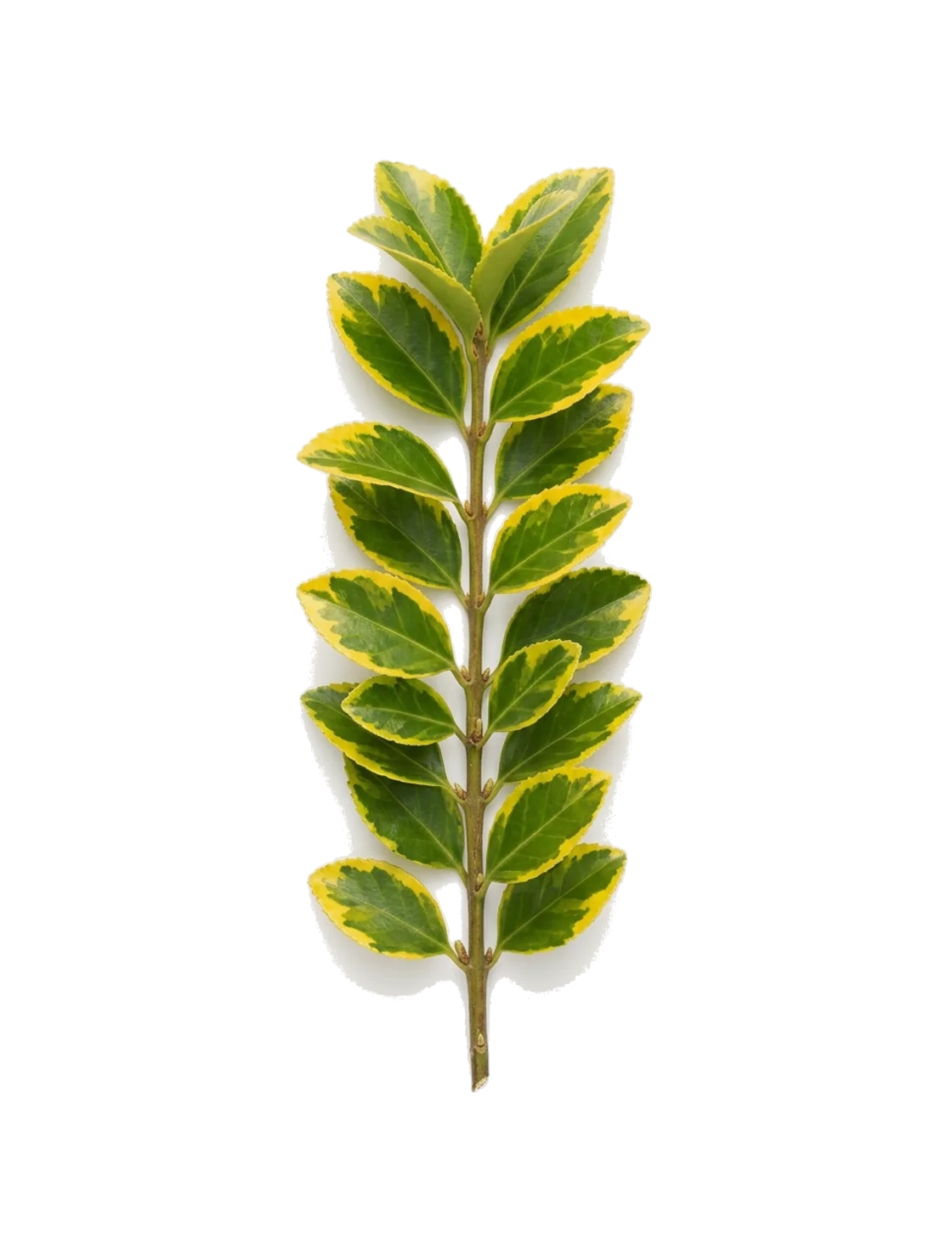
Japanese spindle (Euonymus japonicus) is a compact evergreen shrub valued for the neat, glossy foliage that stays handsome all year. Native to Japan, Korea and eastern China, it grows into dense bushes one to three metres tall that clip beautifully into hedges, balls and cones. The variegated cultivars with cream or yellow margins light up shady corners where few evergreens thrive.
Its small oval leaves are thick and leathery, arranged in opposite pairs along the stems. In early summer inconspicuous greenish flowers appear, followed in warm autumns by pinkish capsules that split to show orange-coated seeds. The plant is also known in Spanish as bonetero del Japón, a name shared with its relatives.
It is a first-rate shrub for formal gardens, patios and coastal sites, since it tolerates clipping, wind and salt spray. Powdery mildew is its classic weakness, especially in crowded, poorly ventilated plantings. With sun or light shade, watering at the base and a yearly trim, a Japanese spindle stays dense and glossy with very little work.
Did you know?Whole green branches often appear on variegated plants and should be cut out, because the plain green growth is stronger and takes over.
Care. What it needs, point by point.
- Watering
- Water deeply during the first year, letting the top layer dry between waterings. Established plants handle ordinary dry spells; containers need watering whenever the surface feels dry.
- Light
- Full sunIt grows in full sun and in partial shade, and variegated forms keep brighter colour with good light. Dense shade is tolerated but produces looser, greener growth.
- Temperature
- 15–24 °C ideal temperatureIt grows best between 15 and 24 °C and withstands frosts down to about -12 °C once established. Long, harsh freezes can brown the leaf edges, though the shrub leafs out again in spring.
- Soil
- It adapts to most well-drained soils, including chalky and poor ground. Waterlogging is the main enemy, so heavy clay should be lightened with grit and organic matter.
- Fertilizer
- Mulch with compost in spring; that is usually enough for plants in the ground. In containers, add a balanced fertilizer in spring and again lightly in midsummer.
- Pruning
- Trim hedges and topiary in late spring, after the main growth flush. It resprouts readily, so overgrown specimens accept a harder late-winter renovation cut.
- Propagation
- Semi-ripe cuttings taken in late summer root reliably in a humid, sheltered propagator. Variegated cultivars must be raised from cuttings, since seedlings revert to plain green.
Where it grows. In the wild and in homes.
In the wild it grows in East Asia, in a subtropical climate.
People have also taken it to 27 more regions where it now grows on its own: temperate Asia, tropical Asia, Europe, and North America.
Range: Plants of the World Online, Royal Botanic Gardens, Kew
Is Japanese spindle toxic to cats and dogs?
The ASPCA doesn't list this species. If your pet has chewed it and seems unwell, call your vet.
Common problems What tends to go wrong.
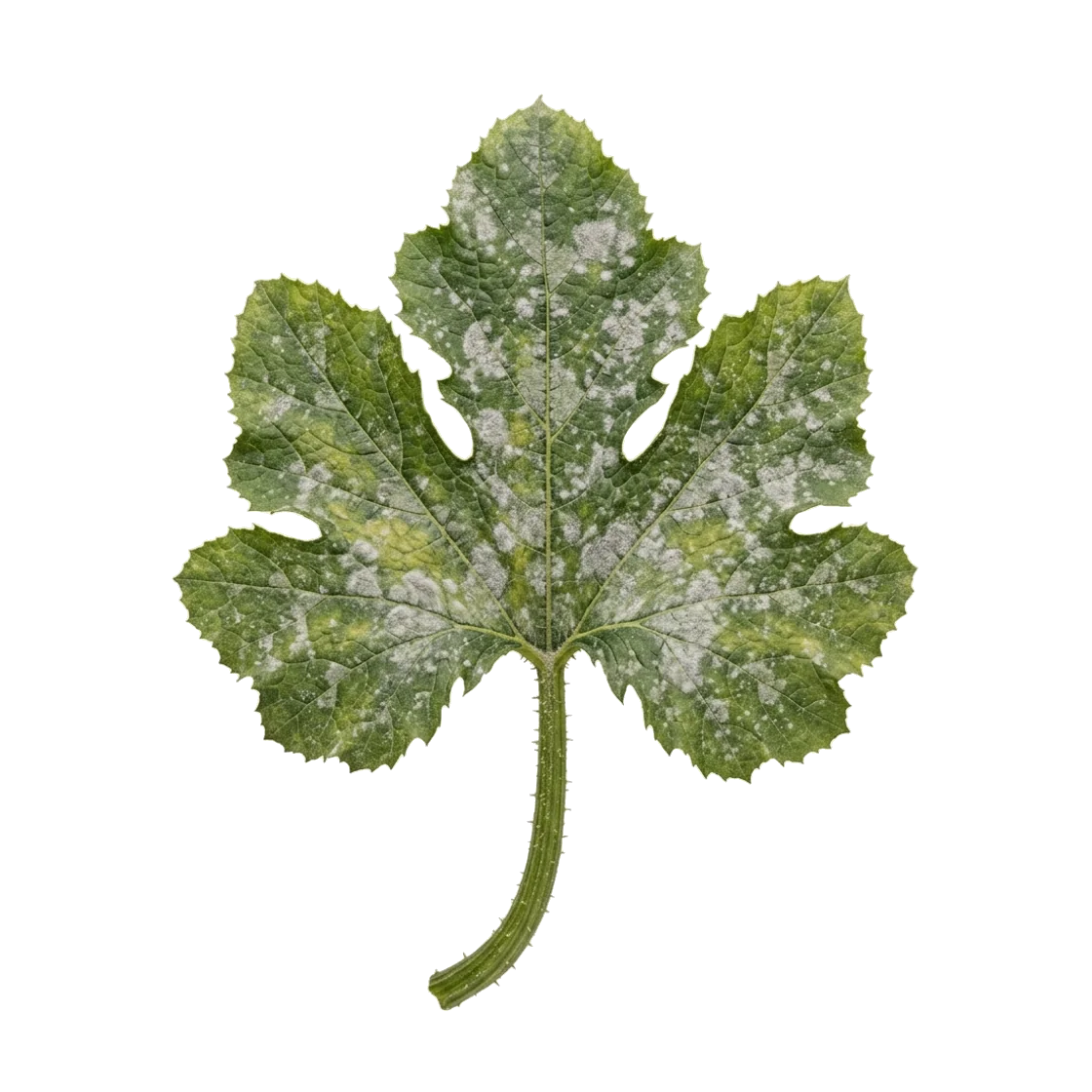
- Powdery mildew
- Mealybugs and scale
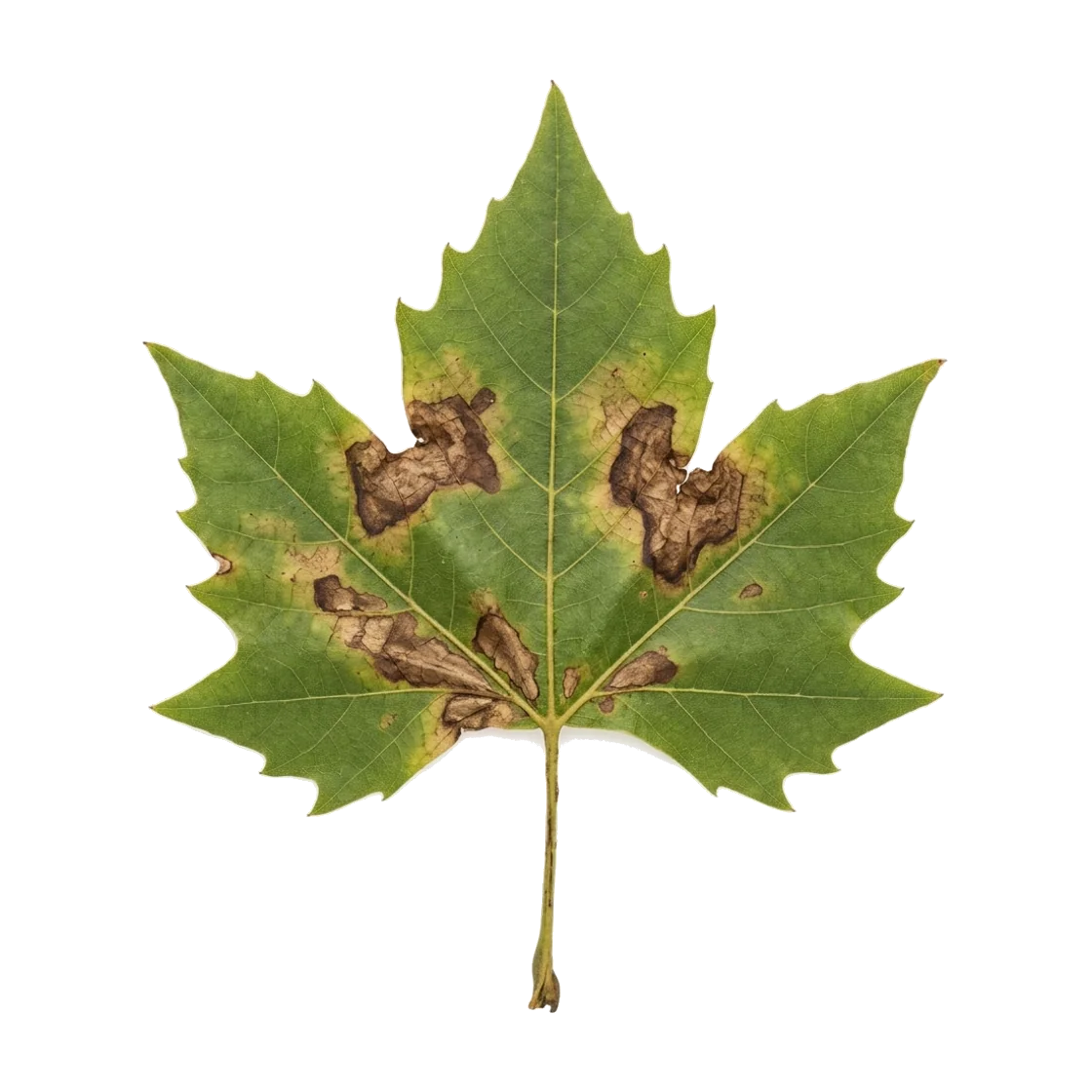
- Anthracnose
- Spider mites


Frequently asked questions What people ask most.
Why does my euonymus have a white powder on the leaves?
That is powdery mildew, the most typical disease of this shrub in dense or shady plantings. It forms a white dusty coating that weakens the shoots. Thin out crowded branches, water at the base, and remove the worst affected leaves.
Why are the leaves turning yellow and dropping?
Overwatering and waterlogged soil are the first suspects, since the roots need air. Let the compost dry on the surface and check that the pot drains freely. A sudden move from shade to harsh sun can also scorch and shed older leaves.
How often should I water it?
Soak young plants once or twice a week during their first summer. Established shrubs in the ground need water only in prolonged dry weather. Pots dry faster, so check the surface regularly and water when it feels dry.
When should I prune it?
The main trim comes in late spring, once the strong early growth has hardened. Topiary figures can be tidied again in midsummer. Avoid cutting in autumn, because the soft regrowth is easily nipped by the first frosts.
My variegated euonymus is turning plain green, why?
Green reversions are normal: plain branches grow faster and gradually displace the variegated ones. Cut every fully green shoot back to its base as soon as you see it. More light also helps the plant keep its cream or yellow margins.