
Japanese honeysuckle
Lonicera japonica
Japanese honeysuckle (Lonicera japonica): fragrant white-and-yellow flowering climber, with pruning, vigour control, watering and blooming tips.
- Light
- Full sun
- Temperature
- 15–27 °Cideal temperature
- Toxicity
- Non-toxic
- Difficulty
- Easy
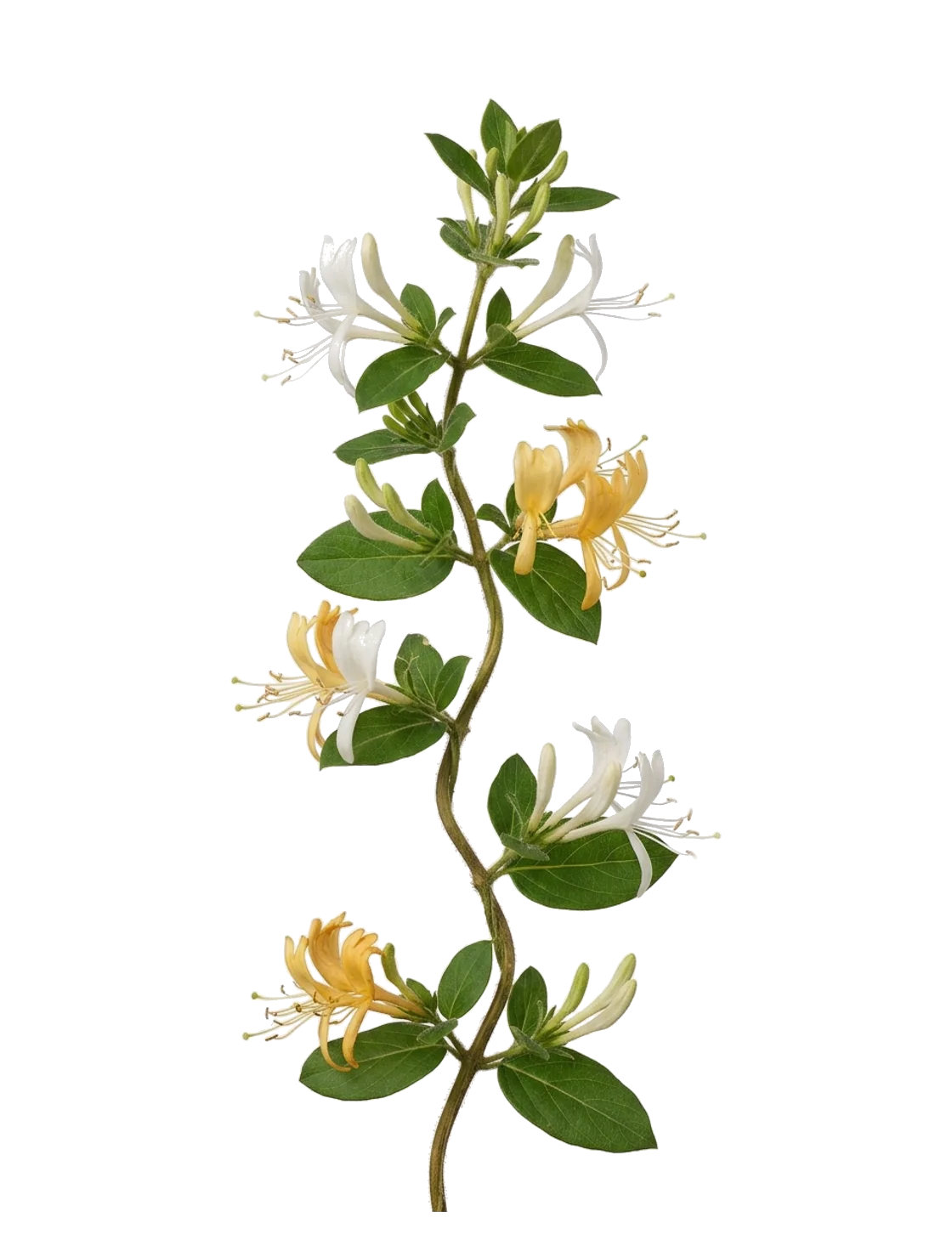
Japanese honeysuckle (Lonicera japonica) is a vigorous semi-evergreen climber from eastern Asia, loved for the sweet perfume of its white and yellow flowers. It twines several metres over fences, pergolas and trees, covering them with blossom from late spring into summer. The oval leaves stay green through mild winters, and black berries follow the flowers in warm autumns.
Each flower is a slender tube with two lips that opens white and ages to golden yellow within a couple of days. On warm evenings the scent drifts many metres, which is why it is planted near windows and terraces. Growth is fast and dense, making it excellent for quick privacy screens.
It is one of the easiest climbers for temperate gardens, tolerant of frost, drought and most soils. Its vigour is also its warning: in mild regions it can escape into wild land, so prune it yearly and never dump clippings in the countryside. With sun, a sturdy support and a trim after flowering, it perfumes the garden for years.
Did you know?Its evening perfume can fill a whole street, and each flower opens white before ageing to buttery yellow within two days.
Care. What it needs, point by point.
- Watering
- Water deeply during the first year, letting the surface dry between waterings. Established plants withstand drought, though long dry spells reduce flowering.
- Light
- Full sunIt flowers best in full sun or light shade. Deep shade is tolerated but gives fewer flowers and weaker scent.
- Temperature
- 15–27 °C ideal temperatureIt grows best between 15 and 27 °C and tolerates frosts down to about -20 °C once established. Young shoots may suffer in late frosts, but the plant resprouts fast.
- Soil
- It grows in almost any soil that drains, from sandy to clayey ground. It dislikes permanently waterlogged spots.
- Fertilizer
- Mulch with compost in spring; established plants need little feeding. In poor soils a light balanced fertilizer at the start of the season is enough.
- Pruning
- Prune after the main spring flowering, shortening the longest stems and removing tangled growth. On pergolas, thin the framework in late winter so light reaches the inside.
- Propagation
- Layer low stems in spring or take semi-ripe cuttings in summer; both root with ease. Division of rooted suckers in autumn is equally simple.
Where it grows. In the wild and in homes.
In the wild it grows in China and East Asia, in a temperate climate.
People have also taken it to 107 more regions where it now grows on its own: North America, South and Central America and the Caribbean, Africa, and Europe.
Range: Plants of the World Online, Royal Botanic Gardens, Kew
Is Japanese honeysuckle toxic to cats and dogs?
The ASPCA doesn't list this species. If your pet has chewed it and seems unwell, call your vet.
Common problems What tends to go wrong.
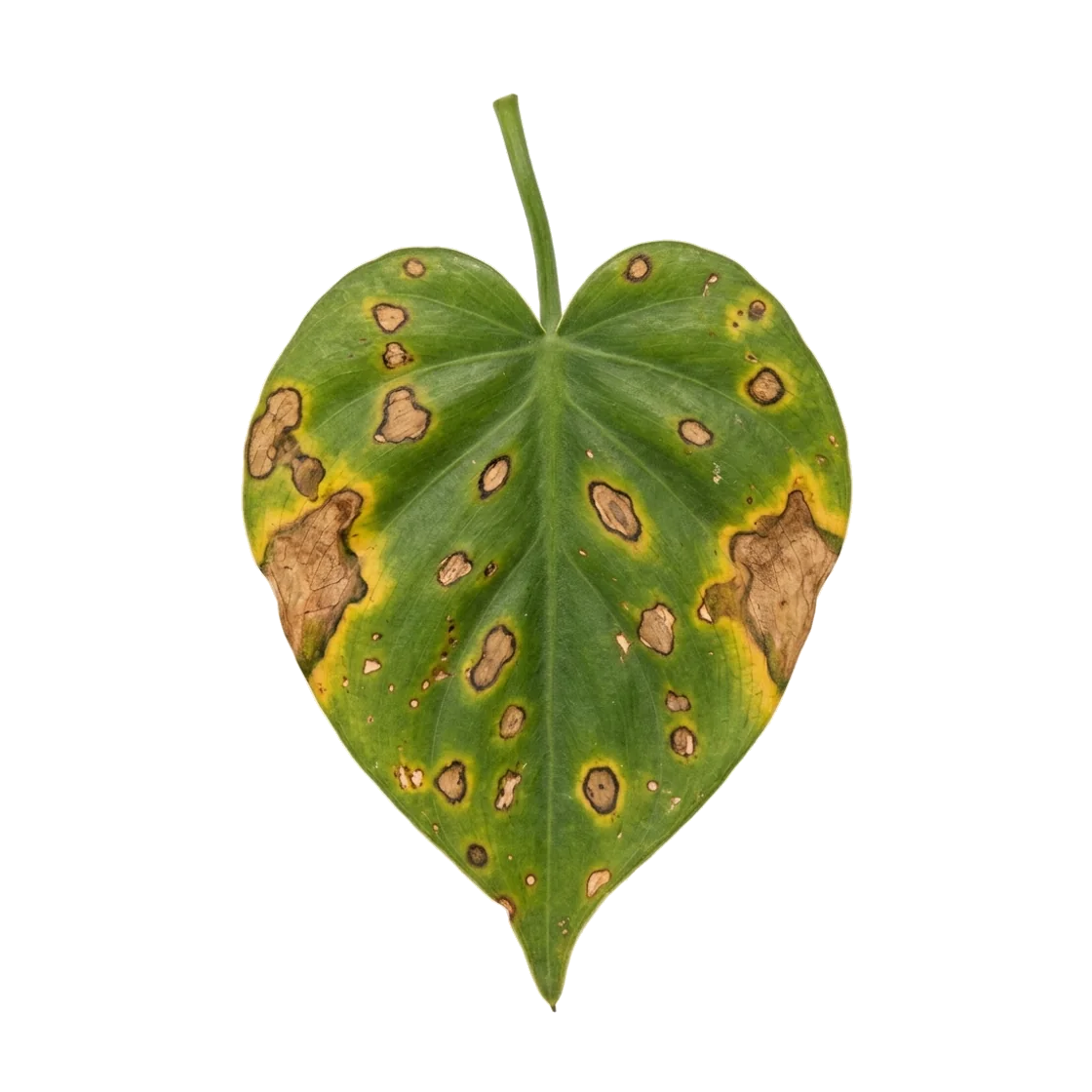
- Powdery mildew
- Aphids
- Fungal or bacterial leaf spots
- Mealybugs and scale



Frequently asked questions What people ask most.
Why is my honeysuckle not flowering?
Shade and youth are the usual reasons, since it blooms generously only in good light on mature stems. A hard autumn prune can also remove the flowering wood. Give it sun, prune after the spring bloom and allow two seasons for young plants to settle.
How do I keep it under control?
Cut back the longest stems hard just after flowering and pull out ground-layered shoots that root beyond their place. Train the main framework onto wires and thin it every late winter. Never plant it beside natural woodland where it could escape.
How often should I water it?
Soak new plants once or twice a week during their first summer. Established climbers cope with drought, though flowering shortens in very dry summers without an occasional deep soaking. A spring mulch keeps the roots cool and moist.
Can I grow Japanese honeysuckle in a pot?
Yes, in a large container with rich, well-drained compost and a small trellis or obelisk. Water whenever the surface dries and feed lightly in spring. Prune after flowering to keep the size in check, and repot every two or three years.
When should I prune it?
The main cut comes just after the spring flowering finishes: shorten the flowered stems and untangle the mass. In late winter, remove dead wood and thin congested stems so air and light reach inside. Avoid heavy pruning in autumn, which wastes the next bloom.