
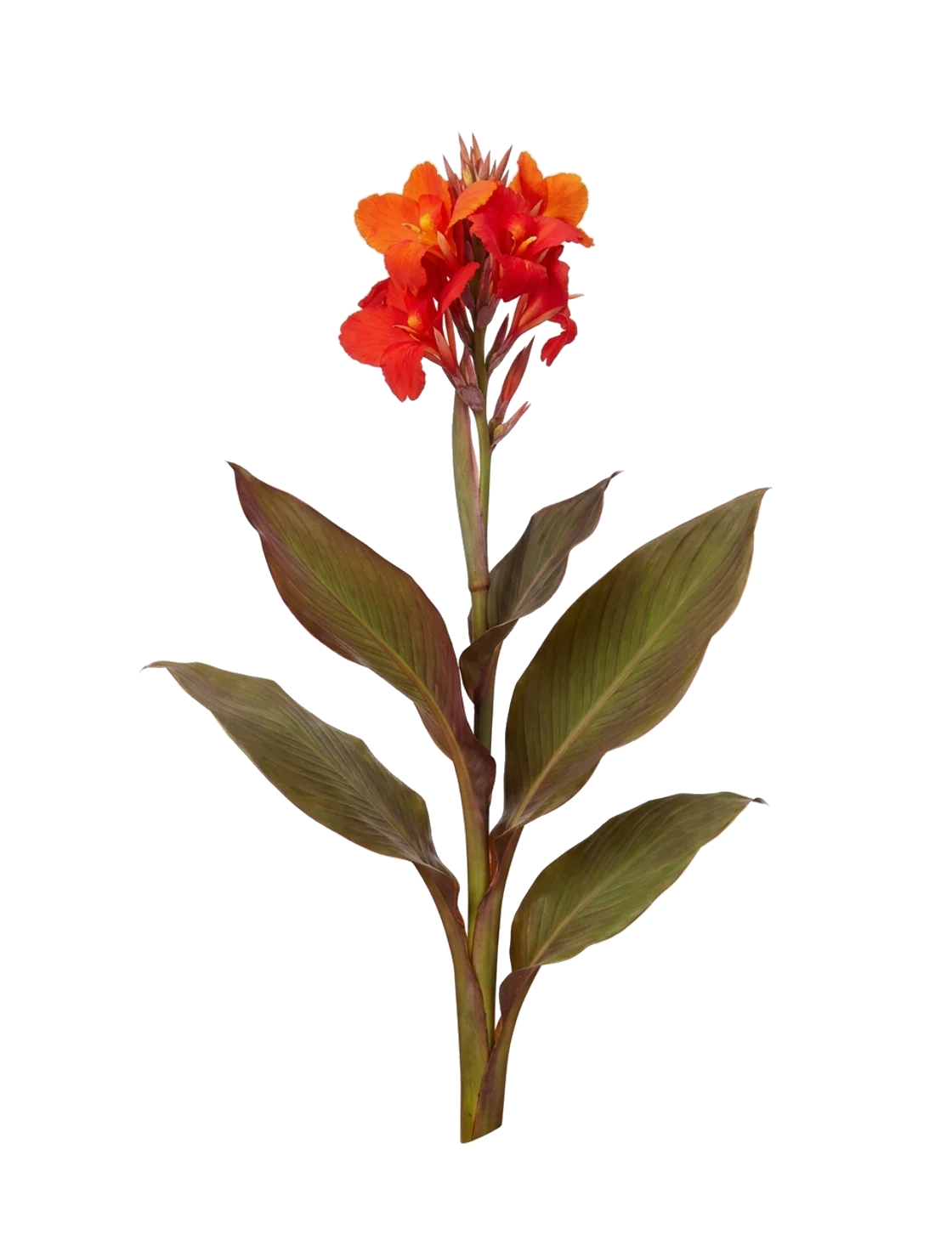
Indian shot (Canna indica) is a vigorous rhizomatous perennial grown for its bold paddle-shaped leaves and showy summer flowers in red, orange or yellow. Native to tropical America, it brings an exotic, architectural note to borders, damp corners and large pots. In warm climates clumps grow tall and multiply fast, and established plants return stronger every year. Tall varieties may need staking in windy spots to keep the stems upright.
Flowering runs from midsummer into autumn on sturdy upright stems, with each bloom followed by round warty seed capsules. The foliage alone earns its place: green or bronze leaves that look tropical from spring onwards. Where winters are mild it stays almost evergreen; where frosts bite, it dies back and resprouts in spring.
Give it sun, rich moist soil and generous feeding through summer for the tallest stems and brightest flowers. Water well in growth, remove spent blooms to prolong the show, and lift rhizomes where frosts are hard. In large pots it makes a striking summer feature if it never goes thirsty.
Did you know?Its seeds are so hard and round that they were once used as beads and as shot, which inspired its English name.
Care. What it needs, point by point.
- Watering
- Water generously from spring to late summer, keeping the soil evenly moist but never puddled. Reduce watering as leaves yellow so rhizomes enter dormancy dry.
- Light
- 6 h of direct sunIt flowers best in full sun, with at least six hours of direct light a day. In very hot areas it appreciates light shade at midday.
- Temperature
- 18–30 °C ideal temperatureIt grows best between 18 °C and 30 °C and its rhizomes dislike frost below about -3 °C. Where winters are colder, lift and store rhizomes frost-free until spring.
- Soil
- It wants deep, fertile soil rich in organic matter that holds moisture yet drains. In pots use a rich mix with compost and water more often than plants in the ground.
- Fertilizer
- 2 weeks between feedsFeed every two weeks in summer with a balanced liquid fertilizer for strong leaves and flowers. Stop feeding at the end of summer so rhizomes harden before autumn.
- Pruning
- Remove spent flowers and damaged leaves at the base to keep the clump ventilated. In cold areas, cut back foliage after the first frosts and lift the rhizomes.
- Propagation
- Divide rhizomes in spring, keeping two or three buds on each piece and planting shallowly. Sow fresh seeds in warmth, though seedlings vary and take time to bloom.
Where it grows. In the wild and in homes.
In the wild it grows in South and Central America and the Caribbean and North America, in a seasonally dry tropical climate.
People have also taken it to 85 more regions where it now grows on its own: Africa, tropical Asia, the Pacific, and temperate Asia.
Range: Plants of the World Online, Royal Botanic Gardens, Kew
Is Indian shot toxic to cats and dogs?
Non-toxic to cats and dogs.

Cats
Non-toxic

Dogs
Non-toxic
Source · ASPCA Animal Poison Control
Common problems What tends to go wrong.
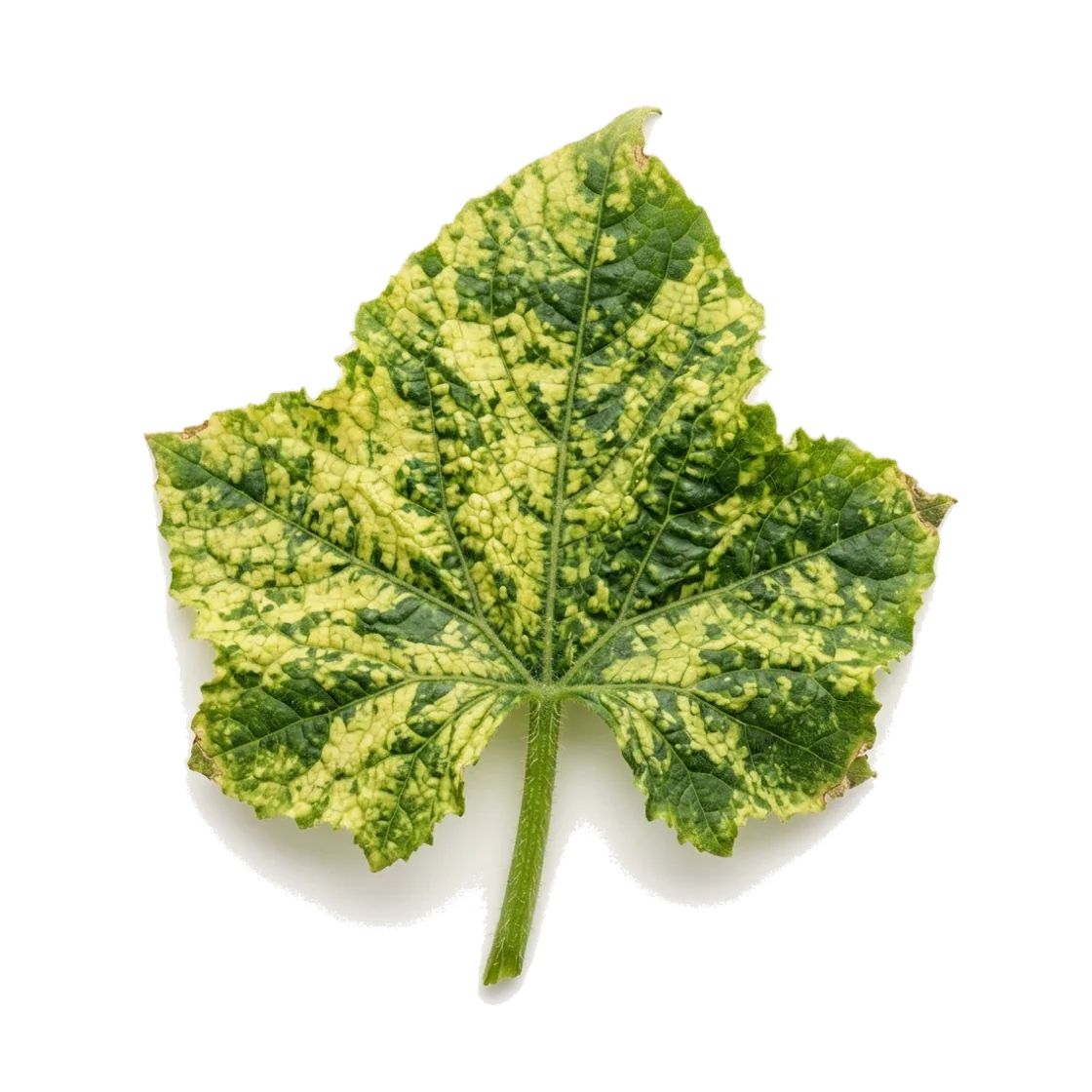
- Mosaic virus
- Aphids
- Root rot
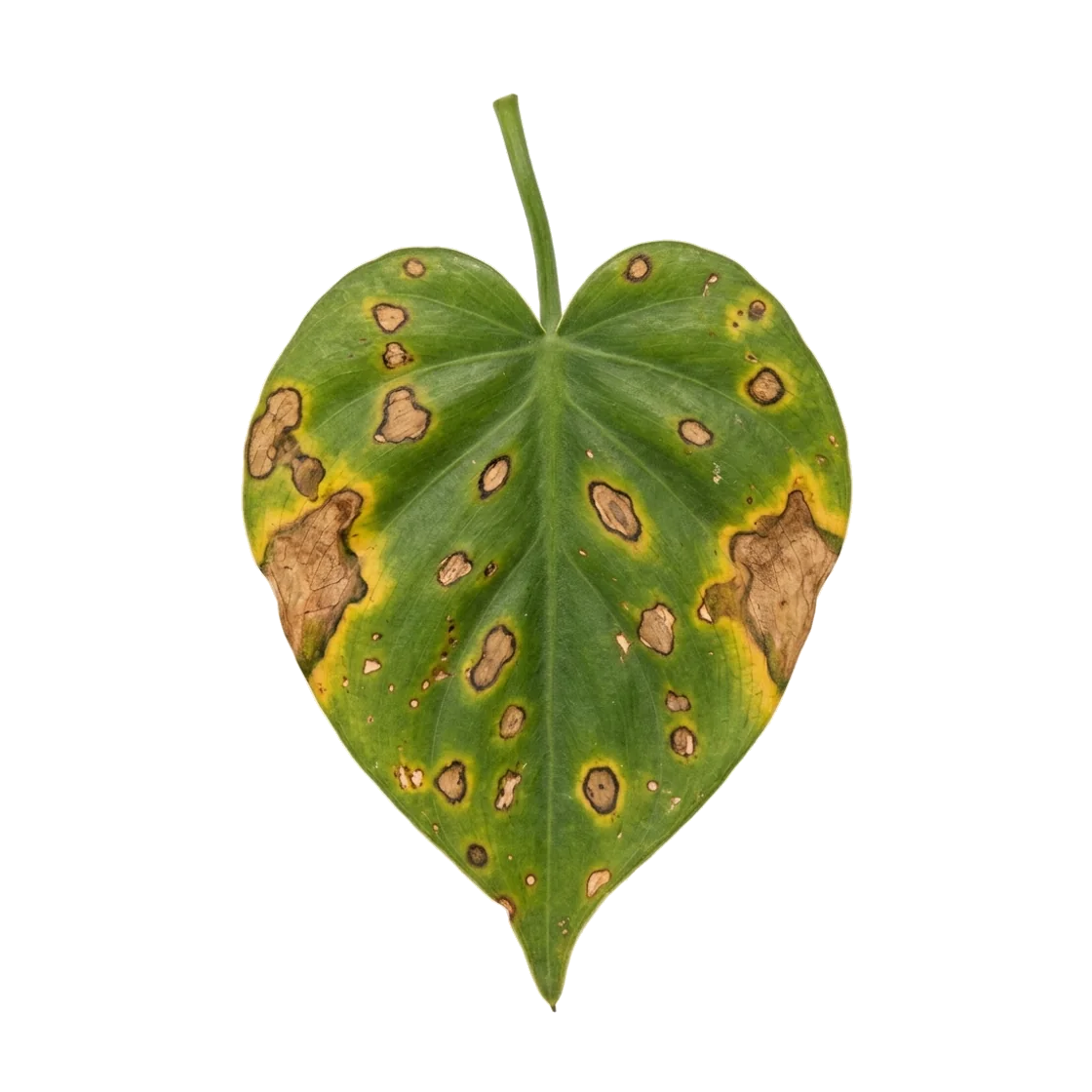
- Fungal or bacterial leaf spots


Frequently asked questions What people ask most.
Why does my canna not flower?
The usual causes are too little sun, a hungry soil or rhizomes planted too deep. Grow it in full sun, feed every two weeks in summer and plant rhizomes shallowly. Young divisions can also need one season to settle before blooming.
How often should I water cannas?
Keep the soil evenly moist from spring to late summer, watering deeply whenever the surface dries. They love moisture in growth but suffer if rhizomes sit in stagnant water in winter. Reduce watering as the leaves yellow in autumn.
Why are the leaves rolled and chewed?
Leaf-rolling caterpillars and other chewing insects hide inside folded leaves and eat the tissue. Open the rolls by hand, remove affected leaves and keep the clump clear of debris. Healthy, well-fed plants outgrow light attacks quickly.
How do I store canna rhizomes in winter?
After the first frosts cut the stems short and lift the clumps carefully. Shake off the soil, dry them for a few days and store in boxes with dry peat in a cool, frost-free place. Replant in spring when nights stay above 10 °C.