
Hydrangea
Hydrangea macrophylla
Learn how to care for your bigleaf hydrangea. Essential tips on watering, light, pruning, and soil pH for healthy, vibrant blooms.
- Light
- Shade
- Temperature
- 15–20 °Cideal temperature
- Toxicity
- Non-toxic
- Difficulty
- Medium
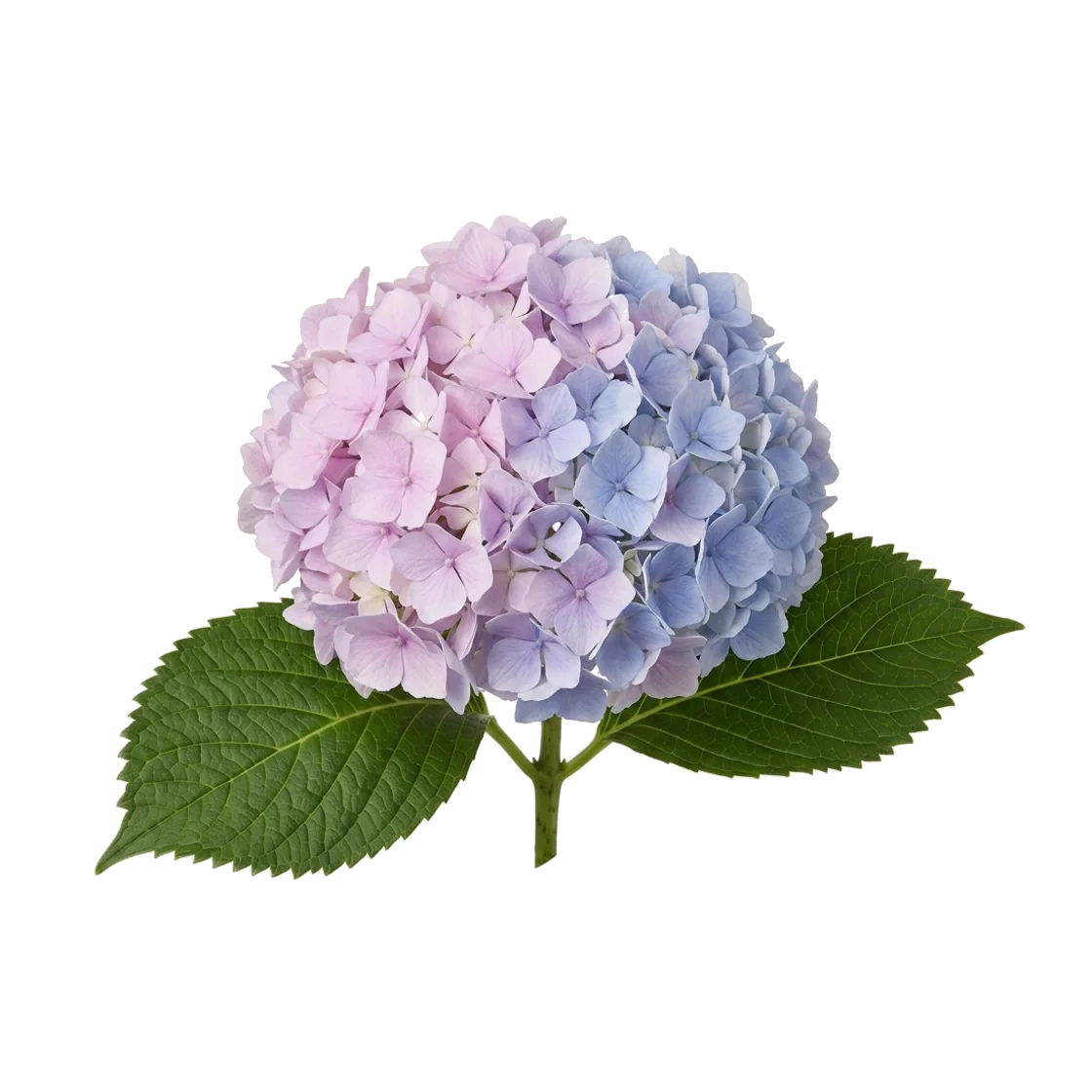
Hydrangea macrophylla, commonly known as the bigleaf hydrangea, is a deciduous shrub native to Japan. It is celebrated for its lush foliage and large, showy flower clusters that bloom throughout summer, transforming borders and containers into spectacular focal points.
Outdoors, it thrives in temperate climates with mild summers and sheltered exposures, performing best under dappled shade where harsh sunlight cannot scorch its broad leaves. While frequently sold as a potted blooming houseplant in early spring, keeping it indoors long-term can be challenging, as it requires winter dormancy and natural outdoor temperature shifts to maintain robust growth and set future flower buds.
Growing hydrangeas successfully depends primarily on managing soil moisture and acidity. Their broad, tooth-edged leaves lose water rapidly during warm weather, making consistent hydration and well-draining, moisture-retentive soil essential to prevent stress and keep the blooms fresh.
Did you know?Bloom color in many cultivars can shift between blue and pink based on soil pH and the availability of aluminum ions in the ground.
Care. What it needs, point by point.
- Watering
- Keep the soil evenly moist but never waterlogged, checking the top layer regularly. In hot summer weather, outdoor potted specimens may need daily watering, whereas winter requirements drop significantly.
- Light
- ShadeMorning sun followed by afternoon shade is ideal for flower production and leaf health. Protect the plant from harsh midday sun to avoid scorched leaves.
- Temperature
- 15–20 °C ideal temperaturePrefers moderate temperatures between 15°C and 20°C during active growth. Dormant plants tolerate cold down to about -5°C, but late spring frosts can ruin developing flower buds.
- Soil
- pH 5.0–5.5Use rich, well-draining soil with plenty of organic matter, leaning acidic with a pH between 5.0 and 5.5 for best nutrient uptake.
- Fertilizer
- 2–3 weeks between feedsFeed with an acidic plant fertilizer every two to three weeks from early spring until mid-summer.
- Pruning
- Prune in late winter or early spring by removing dead wood and cutting old flowering stems back to healthy pairs of buds, leaving non-flowering shoots intact.
- Propagation
- Easily propagated from softwood cuttings in early summer or semi-ripe cuttings in late summer. Keep them in a humid, shaded spot until strong roots establish.
Where it grows. In the wild and in homes.
In the wild it grows in East Asia, in a temperate climate.
People have also taken it to 31 more regions where it now grows on its own: Europe, South and Central America and the Caribbean, Africa, and tropical Asia.
Range: Plants of the World Online, Royal Botanic Gardens, Kew
Is Hydrangea toxic to cats and dogs?
The ASPCA doesn't list this species. If your pet has chewed it and seems unwell, call your vet.
Common problems What tends to go wrong.
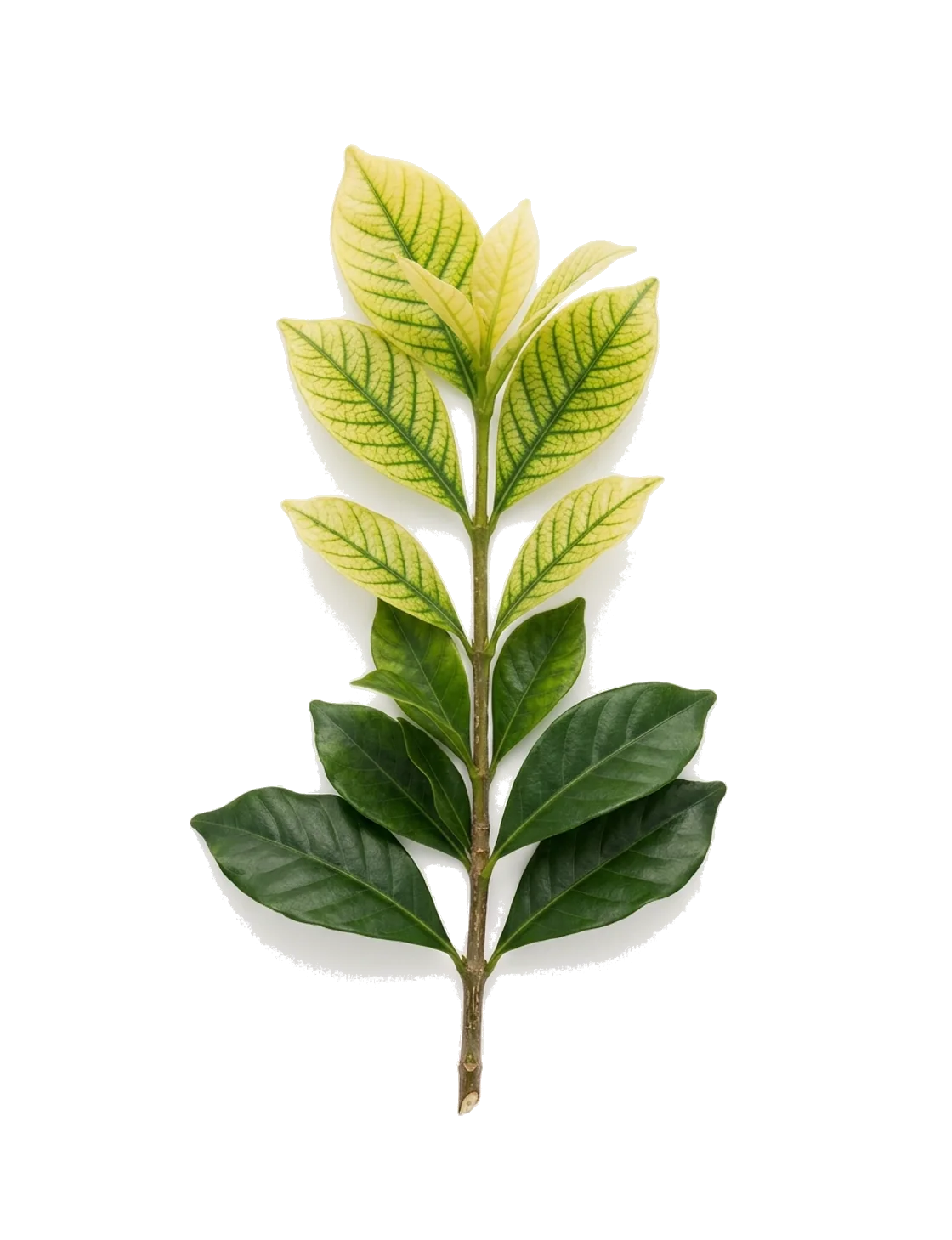
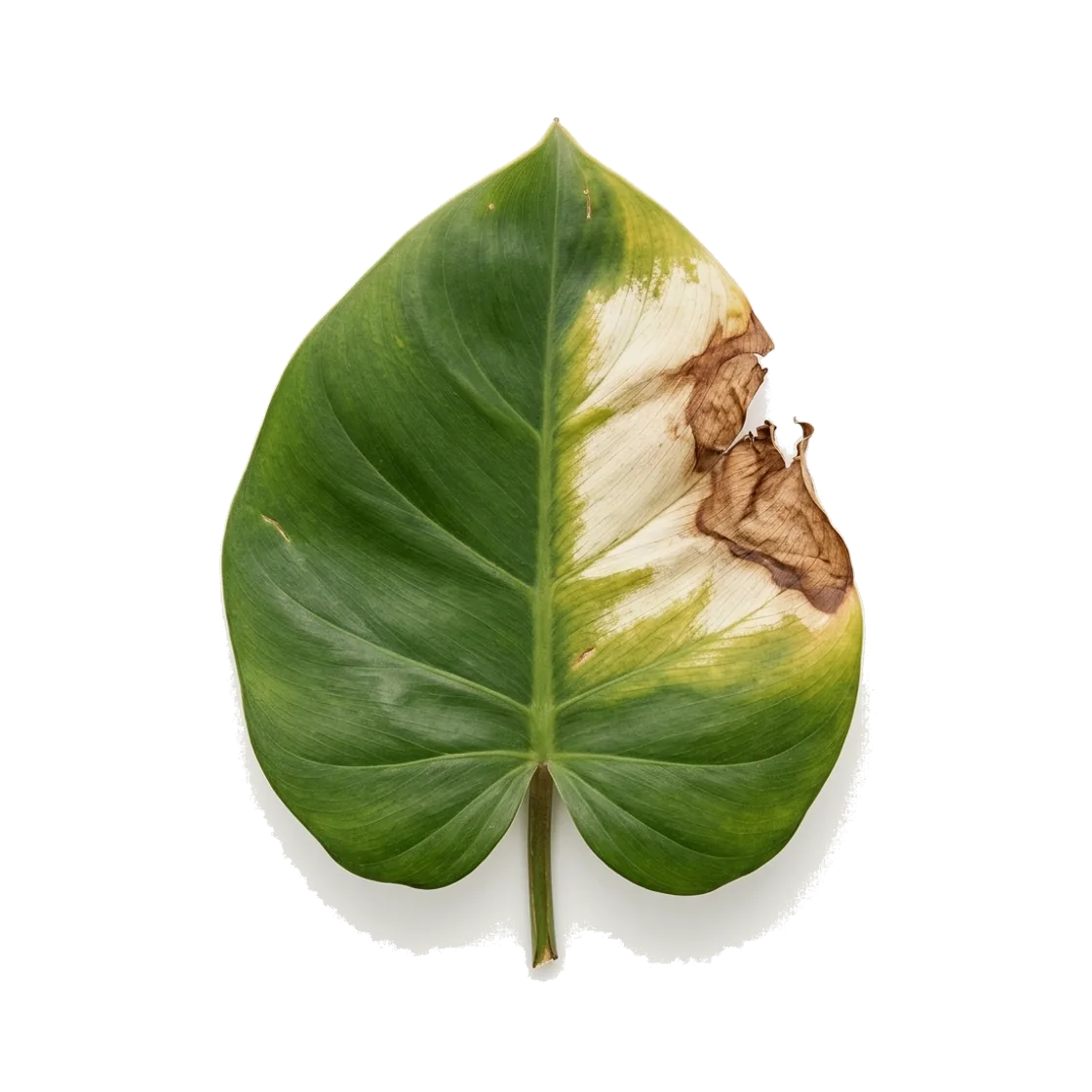
- Iron chlorosis
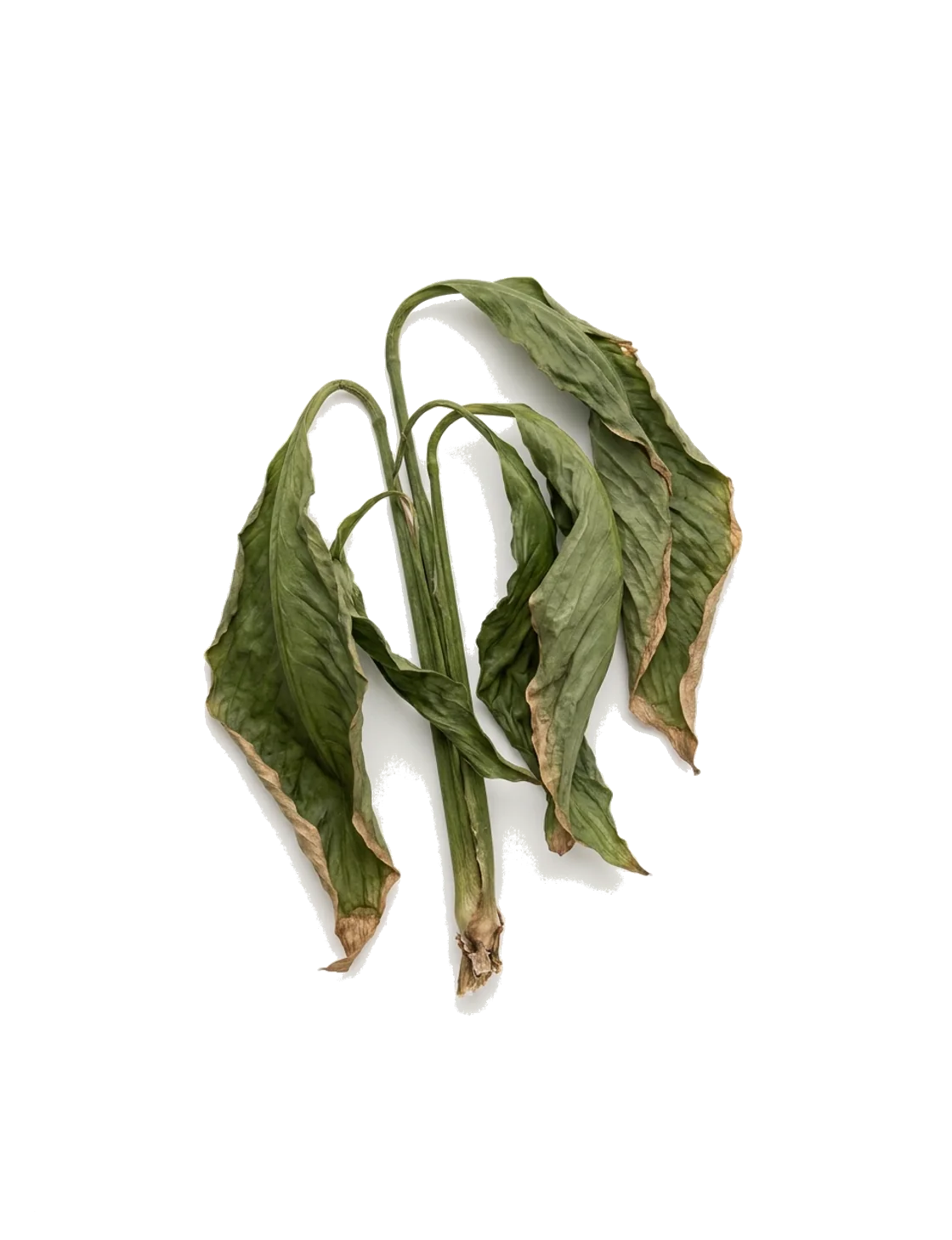
- Underwatering
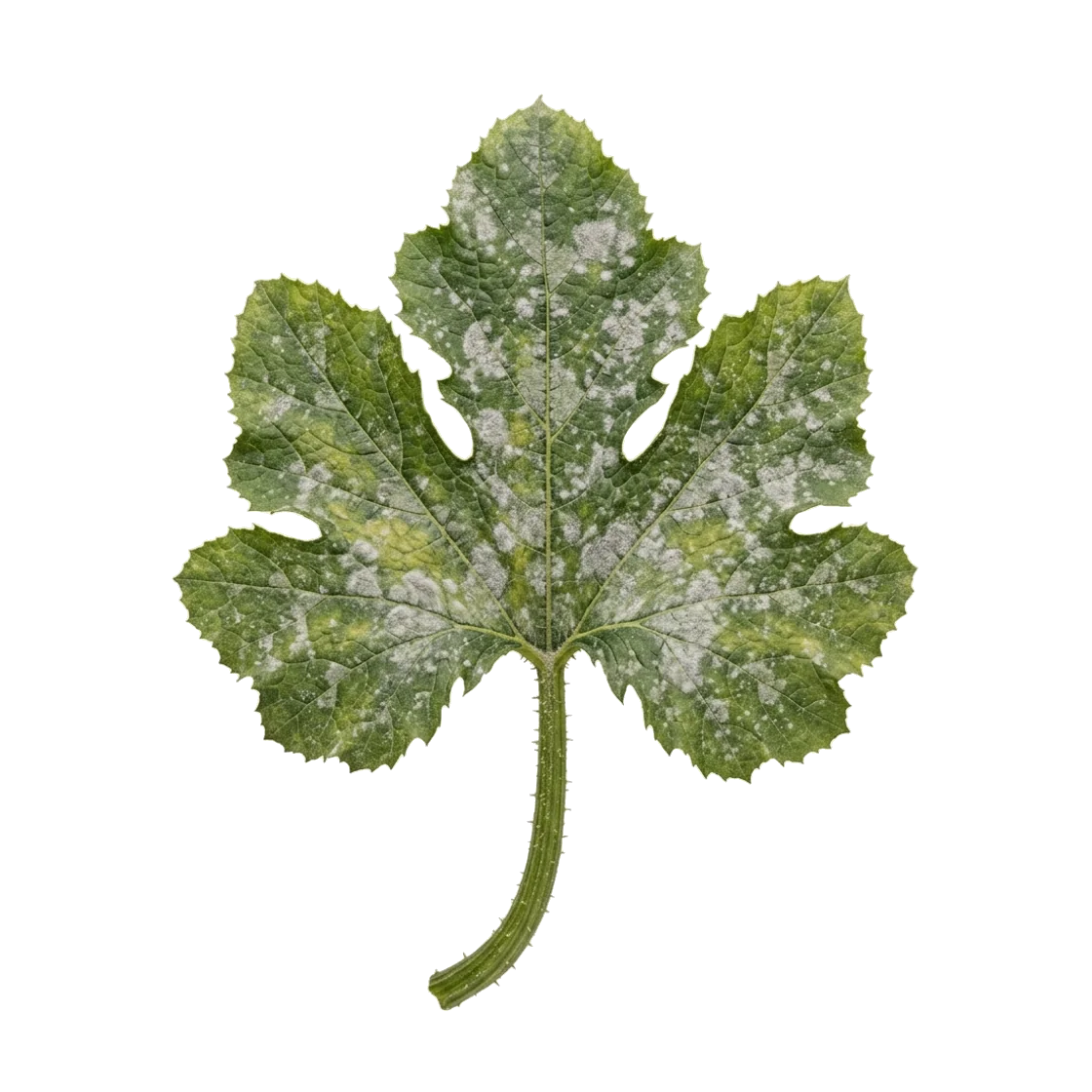
- Powdery mildew
- Sunburn
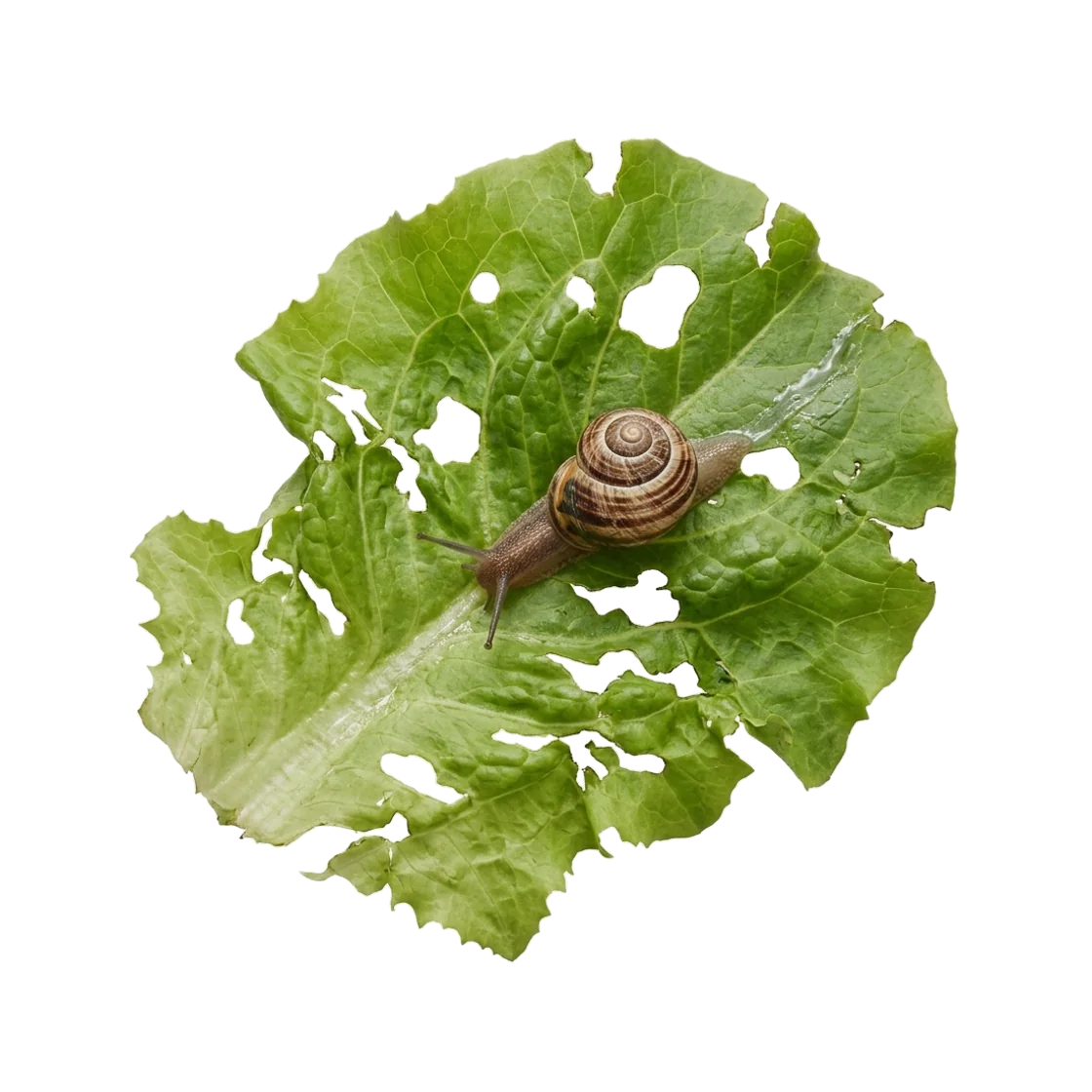
- Snails and slugs
Frequently asked questions What people ask most.
Why are the leaves on my hydrangea wilting?
Wilting is most often a sign of insufficient moisture or intense afternoon heat. Give the plant a thorough watering and move it to a shaded, sheltered area; it usually bounces back quickly.
How can I turn my hydrangea flowers blue?
To achieve blue flowers, the plant must grow in acidic soil with a pH below 5.5, along with available aluminum. Adding aluminum sulfate and sulfur will lower soil pH, while alkaline soil produces pink blooms.
Why is my hydrangea not producing any flowers?
The most common reason is improper pruning that removed last year's stems containing dormant flower buds. Severe winter freezes or excessive shade can also prevent bud formation and subsequent flowering.
Why are the leaves turning yellow while the veins stay green?
This condition is iron chlorosis, which happens when high soil pH or hard tap water locks up iron in the soil. Treat the plant with chelated iron and use rainwater or acidified water for irrigation.