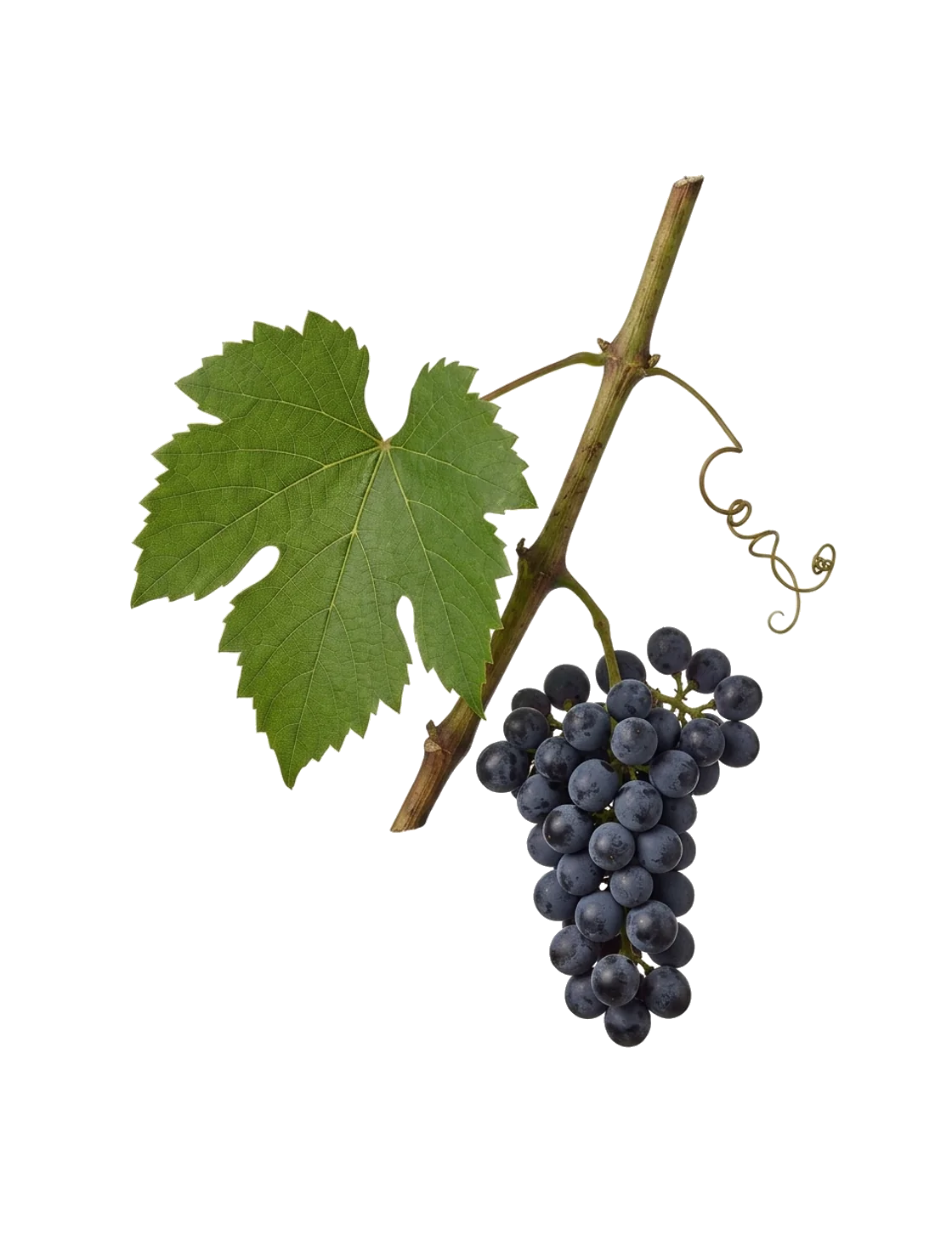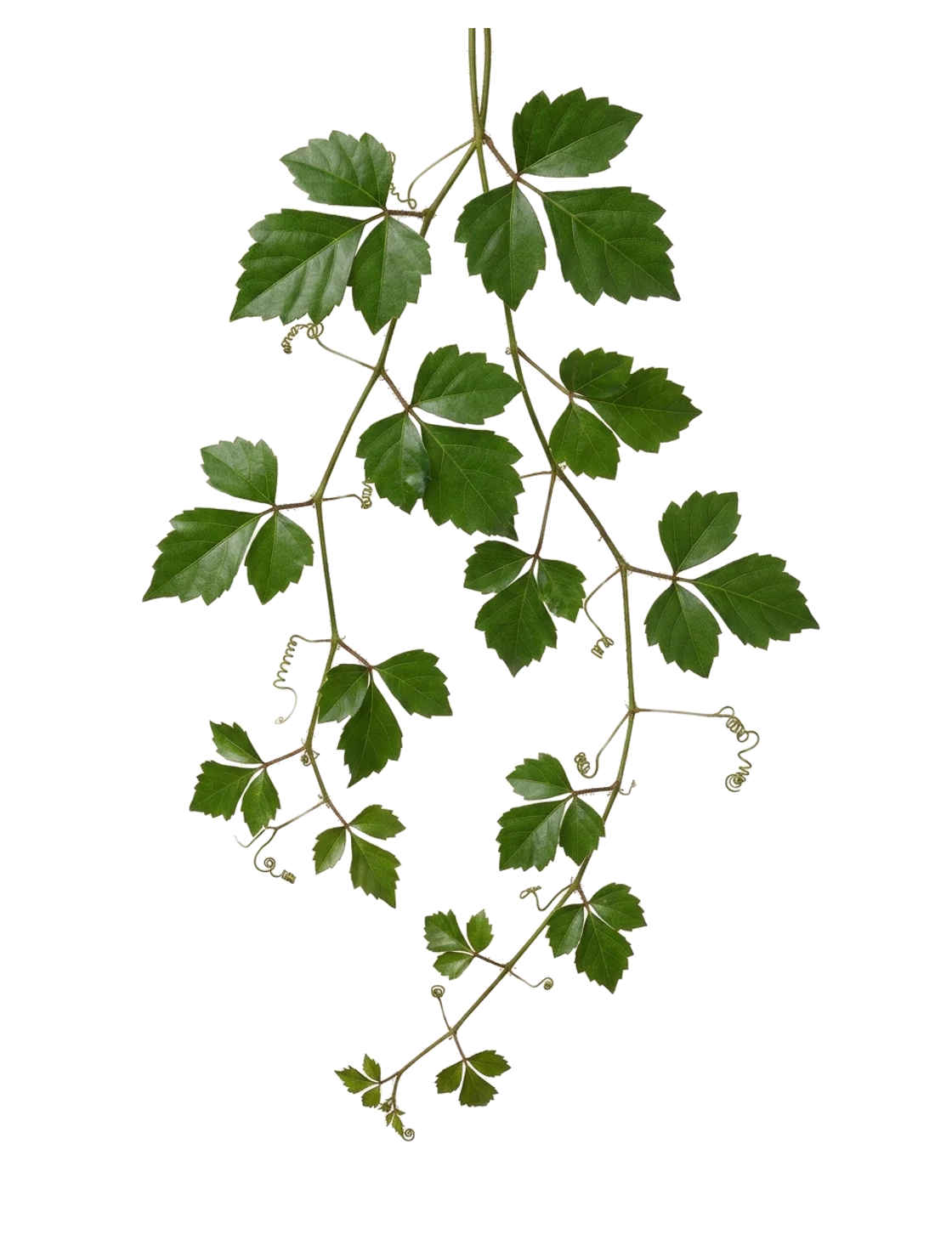
Grape ivy (Cissus rhombifolia) is an evergreen vine native to tropical regions of Central and South America. Recognized for its deep green, diamond-shaped foliage, each leaf is divided into three distinct leaflets with toothed margins. When new growth emerges, the young stems and foliage are often coated in fine, reddish hairs that give them a soft, textured appearance before maturing into glossy green vines.
In indoor settings, grape ivy is celebrated for its versatility and remarkable resilience. It climbs effortlessly using slender tendrils whenever a trellis or moss pole is provided, making it an excellent choice for vertical displays. Alternatively, letting the stems trail freely from a hanging basket creates a lush, cascading canopy of leaves that softens shelves and high perches without demanding constant intervention.
Caring for this plant is straightforward, making it well suited for both beginner growers and seasoned plant lovers. It tolerates moderate light conditions better than many other trailing houseplants and only asks for well-draining soil and measured watering. With occasional pruning to maintain a bushy shape, grape ivy will reward you with steady, year-round growth and vigorous green foliage.
Did you know?Grape ivy produces specialized clinging tendrils that quickly wrap around supports to help the plant climb. Despite its common name and grape-like leaf shape, it is grown purely for its ornamental foliage indoors.
Care. What it needs, point by point.
- Watering
- 1× a weekWater thoroughly when the top two inches of soil feel dry to the touch. In spring and summer, watering once a week is usually sufficient, while in winter you should reduce frequency to every ten to fourteen days. Always ensure the pot drains freely to prevent waterlogged roots.
- Light
- IndirectProvide bright, indirect light for optimal growth and dense foliage. The plant can adapt to medium or partial shade, but direct midday sunlight can easily scorch its leaves.
- Temperature
- 15–24 °C ideal temperatureIt thrives best in temperatures between 15 °C and 24 °C throughout the year. Keep the plant away from drafty windows, air conditioning vents, and temperatures dropping below 10 °C.
- Soil
- Plant in a high-quality potting mix amended with perlite or pumice to ensure fast drainage.
- Fertilizer
- Feed monthly during spring and summer using a balanced liquid houseplant fertilizer diluted to half strength. Withhold fertilizer throughout the fall and winter months.
- Pruning
- Pinch back the tips of the vines during the growing season to encourage branching and fuller growth. Remove yellowing or leggy stems at any time to keep the plant neat.
- Propagation
- Take stem tip cuttings about four inches long with several nodes during spring or summer. Root them easily in water or directly into moist, aerated potting soil until new growth appears.
Where it grows. In the wild and in homes.
In the wild it grows in South and Central America and the Caribbean and North America, in a wet tropical climate.
Range: Plants of the World Online, Royal Botanic Gardens, Kew
Is Grape ivy toxic to cats and dogs?
Non-toxic to cats and dogs.

Cats
Non-toxic

Dogs
Non-toxic
Source · ASPCA Animal Poison Control
Common problems What tends to go wrong.
- Root rot
- Spider mites
- Overwatering
- Underwatering
- Dry air




Frequently asked questions What people ask most.
Why are the leaves dropping from my grape ivy?
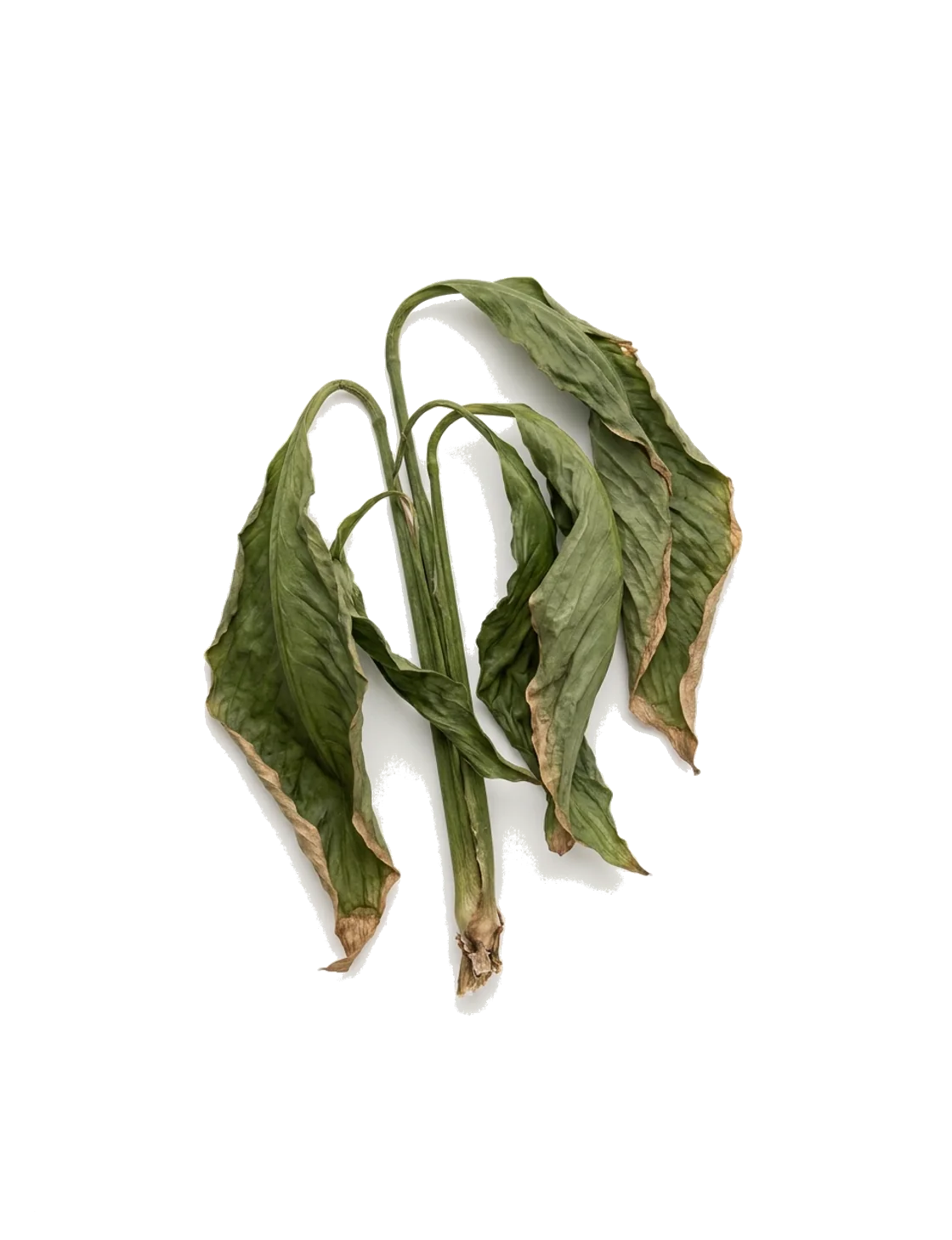
Sudden leaf drop is almost always caused by overwatering or sudden cold drafts. Make sure the potting mix dries slightly between waterings and move the plant away from cold airflow.
Why are the leaf tips turning brown and crispy?
Crispy brown tips indicate low ambient humidity or dry soil conditions. Group your plant with others, use a humidifier, and keep it safely away from indoor heating radiators.
Can grape ivy climb a wall or support indoors?
Yes, grape ivy uses slender tendrils to grip trellises, stakes, and moss poles naturally. You may just need to gently guide the young vines toward the support when they first start growing.
How can I make my grape ivy bushier?
Pruning is the most effective way to encourage a compact and bushy growth habit. Regularly pinch off the growing tips in spring and summer to stimulate multiple side shoots along the stems.