
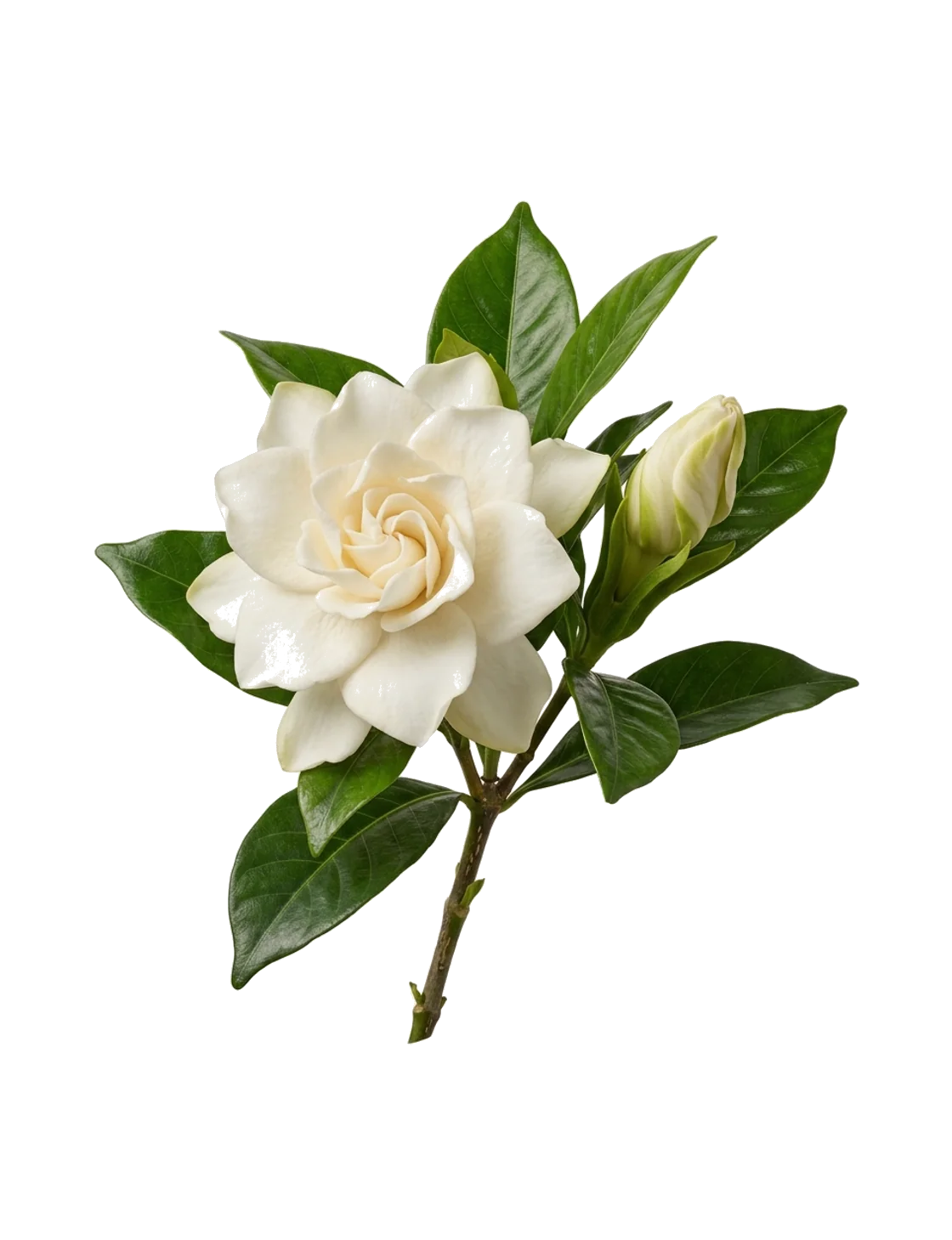
The gardenia is an evergreen shrub native to East Asia, celebrated worldwide for its creamy white blossoms and intensely sweet perfume. Its lustrous, dark green foliage provides a dense and glossy backdrop that remains visually striking throughout all four seasons, making it a classic choice for gardens and well-lit interior spaces alike.
This acid-loving species has a reputation for being somewhat finicky, as it demands specific environmental conditions to flourish. It thrives best in well-draining, acidic soil with moderate to high ambient humidity and consistent moisture. Gardenias are particularly sensitive to sudden changes in temperature, drafty hallways, and dry indoor heating, all of which can trigger frustrating premature bud drop before flowers can fully open.
Depending on your regional climate, gardenias can be grown directly in acidic garden beds or kept in containers to overwinter indoors. While they require attentive maintenance and soft water low in lime, meeting their fundamental needs rewards growers with an abundant succession of breathtaking, fragrant blooms throughout late spring and summer.
Did you know?In traditional Asian culture, the yellow fruits of the gardenia plant were historically used as a natural dye for food and textiles.
Care. What it needs, point by point.
- Watering
- Water thoroughly whenever the top inch of soil feels dry to the touch, ensuring the medium stays consistently damp without waterlogging. This typically equates to two or three waterings per week during hot periods, tapering off in winter. Use rainwater or distilled water whenever possible to preserve soil acidity.
- Light
- IndirectProvide abundant bright indirect light or dappled morning sunshine to support flower formation. Protect the plant from harsh afternoon sun, which quickly scorches the delicate foliage and petals.
- Temperature
- 16–24 °C ideal temperatureIdeal growing temperatures range between 16 °C and 24 °C. Gardenias do not tolerate frost and should be protected when temperatures dip below 10 °C.
- Soil
- pH 5.0–6.0Use an ericaceous potting mix with a pH between 5.0 and 6.0, enriched with perlite or pine bark for sharp drainage.
- Fertilizer
- 2 weeks between feedsFeed with an acid-formulating fertilizer every two weeks throughout spring and summer. Supplement with chelated iron once a month to prevent foliar yellowing.
- Pruning
- Prune lightly right after flowering concludes to shape the shrub and remove spent blooms. Avoid late autumn pruning, as it removes the newly formed buds intended for next season.
- Propagation
- Propagate by taking semi-hardwood cuttings in early summer using clean shears. Root them in a warm, moist peat-perlite mix under high humidity or a clear plastic cover.
Where it grows. In the wild and in homes.
In the wild it grows in temperate Asia and tropical Asia, in a subtropical climate.
People have also taken it to 8 more regions where it now grows on its own: the Pacific, tropical Asia, Africa, and temperate Asia.
Range: Plants of the World Online, Royal Botanic Gardens, Kew
Is Gardenia toxic to cats and dogs?
Toxic to cats and dogs.

Cats
Toxic

Dogs
Toxic
Usual signs
Mild vomiting, diarrhea, or hives.
If your pet has chewed it and shows symptoms, call your vet or the nearest emergency vet.
Source · ASPCA Animal Poison Control
Common problems What tends to go wrong.
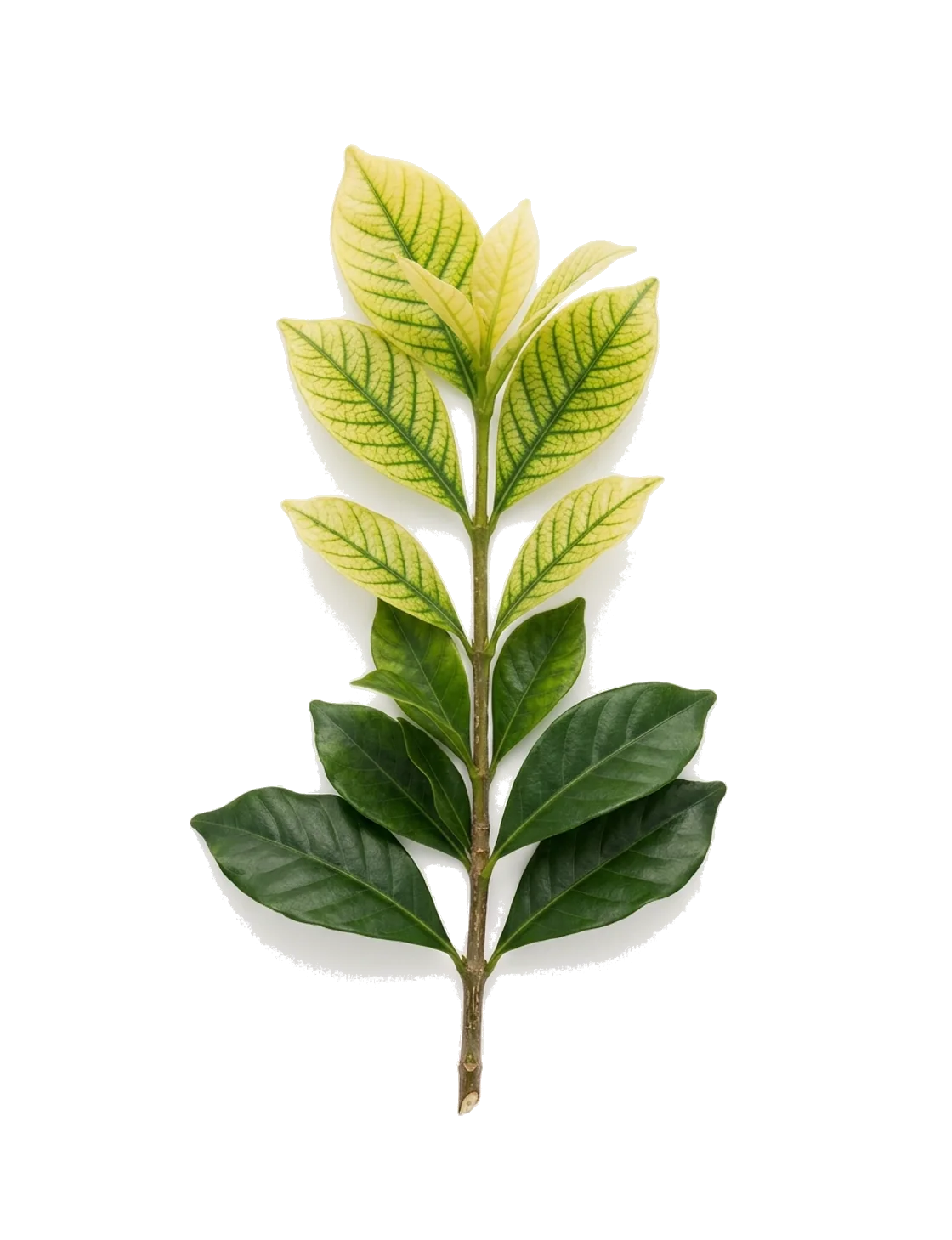
- Iron chlorosis
- Mealybugs and scale
- Spider mites
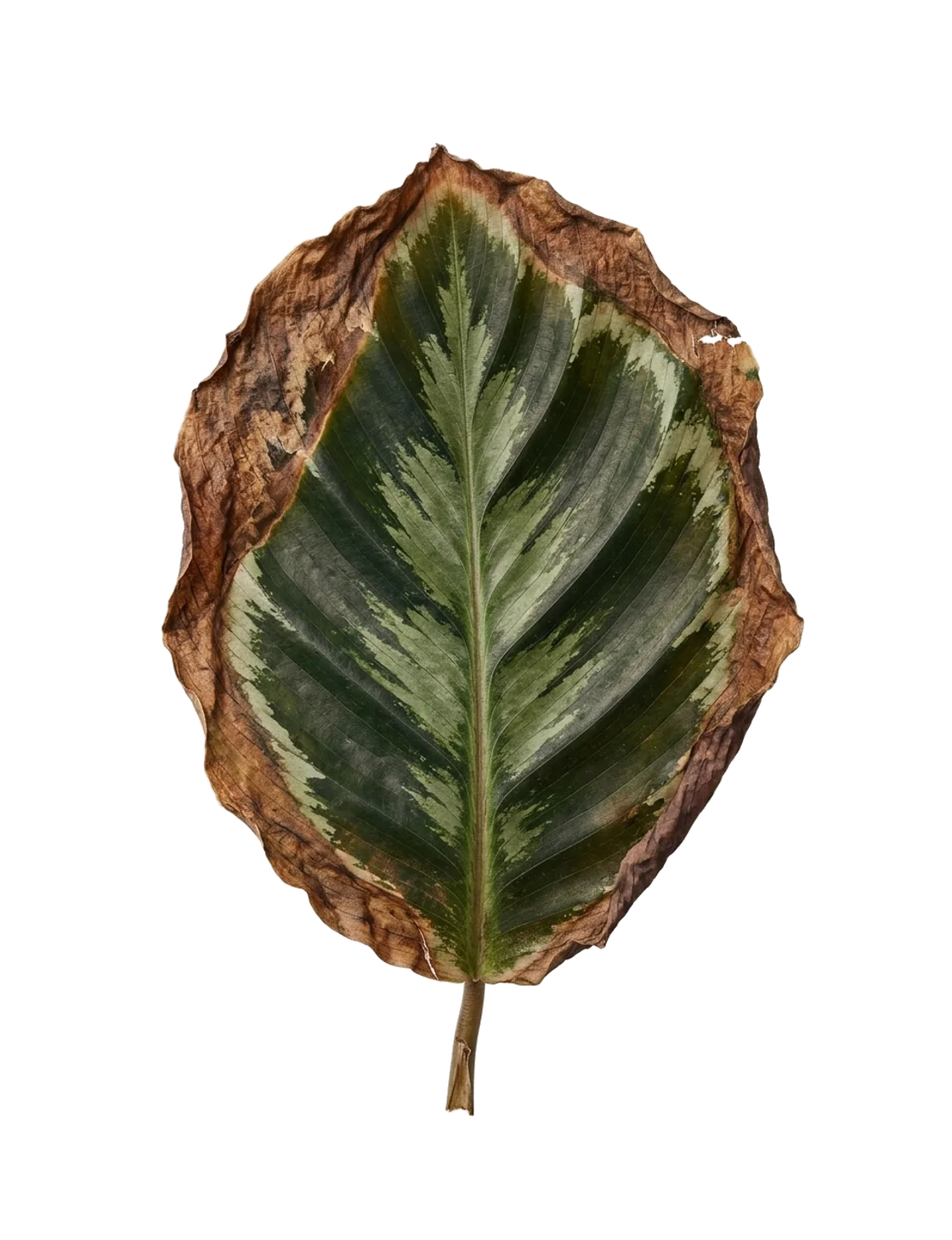
- Dry air
- Root rot



Frequently asked questions What people ask most.
Why are my gardenia flower buds dropping off before opening?
Bud drop is usually triggered by dry ambient air, erratic watering, or sudden temperature swings. Maintain high humidity levels around the foliage and keep the plant away from drafty windows and air conditioning units.
Why are the leaves turning yellow with dark green veins?
This is iron chlorosis, which happens when high-pH water or alkaline soil locks out available iron. Lower the soil pH with an acidic potting mix and apply chelated iron directly to the soil.
What kind of water is best for gardenias?
Rainwater, reverse osmosis, or distilled water is best because it contains no dissolved minerals. Hard tap water leaves lime deposits that steadily raise soil pH and harm root health.
Can I successfully grow a gardenia indoors?
Yes, provided you give it a sunny south- or west-facing window and keep room humidity above 50 percent. Use a dedicated cool-mist humidifier during winter when indoor heating dries the surrounding air.