Emerald ripple peperomia
Peperomia caperata
Emerald ripple peperomia (Peperomia caperata): complete guide to watering, light, soil and propagation of the quilted-leaf houseplant. Growing tips.
- Light
- Indirect
- Watering
- 2weeks between waterings
- Temperature
- 18–25 °Cideal temperature
- Pets
- Non-toxic
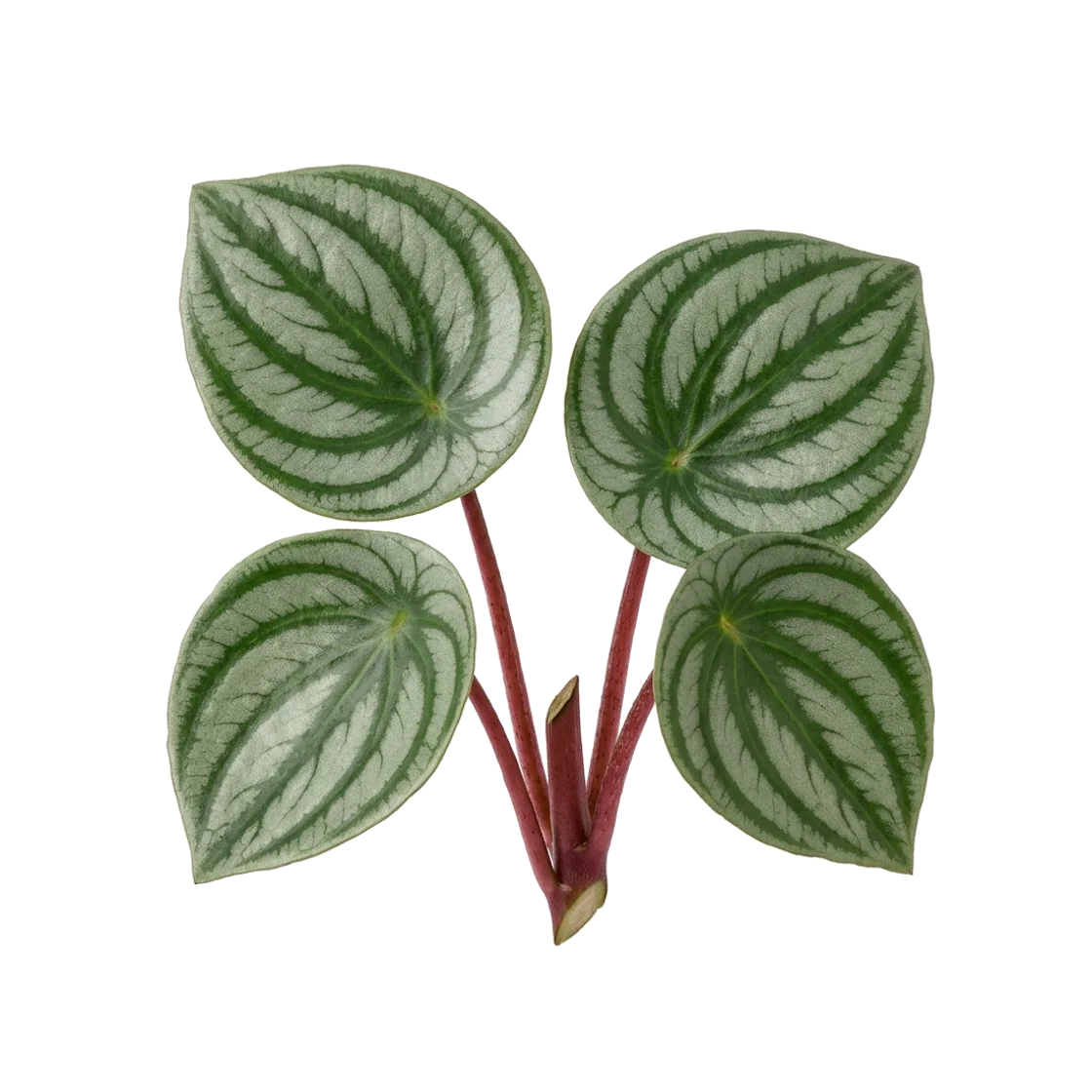
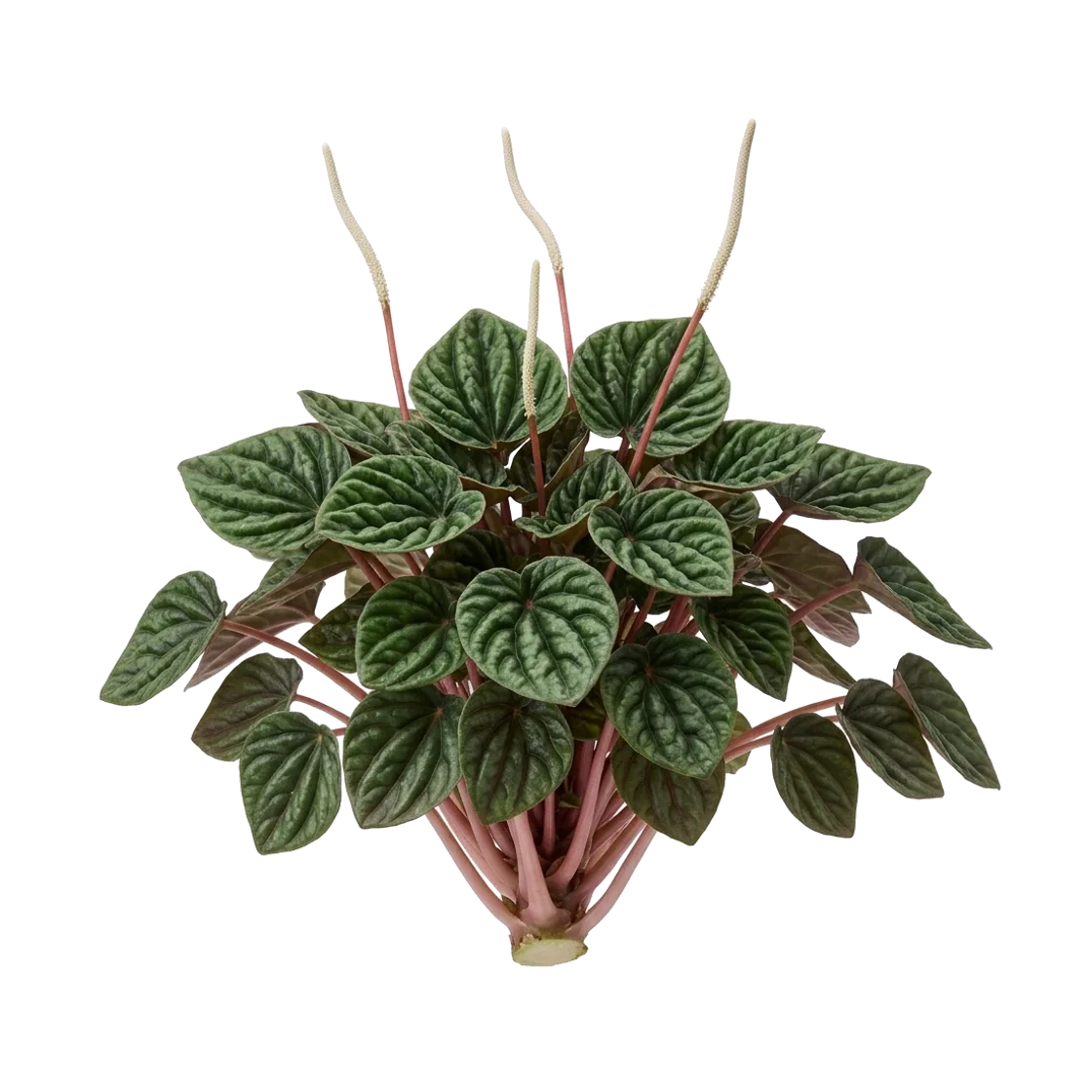
The emerald ripple peperomia (Peperomia caperata) is a compact plant from the tropical forests of south-eastern Brazil, grown for its heart-shaped leaves with a deeply quilted, almost wrinkled surface. The foliage comes in deep greens, silvery greys and reddish tones depending on the variety, and stays low and mounded, rarely passing 20 centimetres. It is a natural choice for desks, shelves and terrariums where space is short.
In the wild it grows in the shade of the forest floor, so it asks for gentle conditions: bright but indirect light and steady, moderate watering. Its fleshy leaves and stems hold some water, which means irregular or heavy-handed watering shows quickly as soft leaves or a rotting crown. A light, airy mix and a pot that drains freely matter more than any feeding schedule.
Given that balance it is an easy, long-lived houseplant that slowly forms a dense clump and even flowers indoors with slender spikes. It appreciates normal room humidity and regular dusting of the leaves so they can breathe. Repot only when the roots fill the pot, ideally in spring, and handle the brittle stems with care.
Did you know?Its wrinkled leaves inspired the Latin name, and older plants send up curious rat-tail flower spikes.
Care. What it needs, point by point.
- Watering
- 2 weeks between wateringsWater when the top 2 or 3 centimetres of mix feel dry, roughly weekly in summer and every two weeks or so in winter indoors. Tip away excess water so the crown never sits in a puddle.
- Light
- IndirectIt prefers bright, indirect light, such as a spot near a north or east window. It tolerates medium light but grows tighter and flowers better in good brightness without direct sun.
- Temperature
- 18–25 °C ideal temperatureIt thrives between 18 and 25 °C and hates cold draughts: keep it above 15 °C at all times. Avoid placing it next to radiators, which dry out its leaves.
- Soil
- Give it a loose, peaty but draining mix, for instance universal compost lightened with perlite, in a rather shallow pot with drainage holes.
- Fertilizer
- Feed lightly with a balanced liquid fertiliser at half strength once a month from spring to early autumn. Stop feeding in winter, when growth pauses.
- Pruning
- No real pruning is needed; just remove spent flower spikes and any damaged leaves at the base. Old, leggy clumps can be divided when repotting.
- Propagation
- Propagate by leaf cuttings with a short piece of stalk, set into moist mix in spring and kept warm. Division of mature clumps at repotting time is quicker and very reliable.
Where it grows. In the wild and in homes.
In the wild it grows in Brazil, in a wet tropical climate.
People have also taken it to 3 more regions where it now grows on its own: the south-central Pacific and the northwestern Pacific.
Range: Plants of the World Online, Royal Botanic Gardens, Kew
Is Emerald ripple peperomia toxic to cats and dogs?
Non-toxic to cats and dogs.

Cats
Non-toxic

Dogs
Non-toxic
Source · ASPCA Animal Poison Control
Common problems What tends to go wrong.
- Overwatering
- Root rot
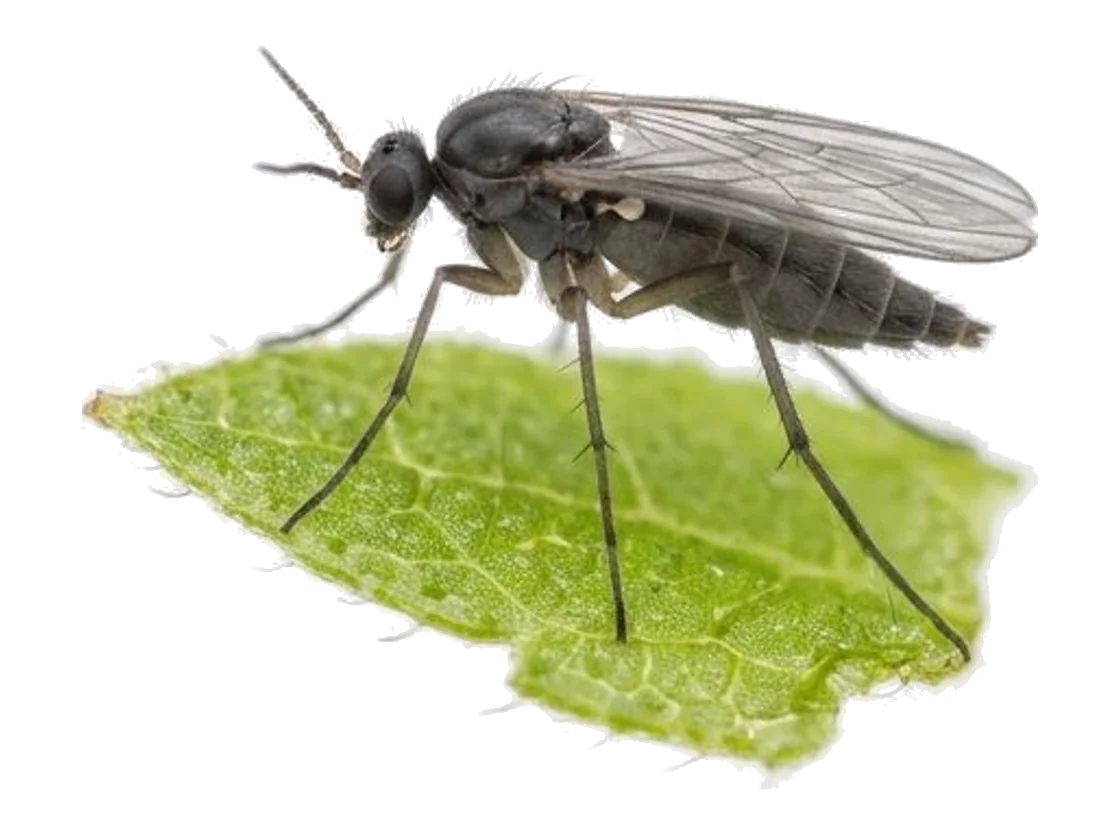
- Fungus gnats
- Mealybugs and scale



Frequently asked questions What people ask most.
How often should I water an emerald ripple peperomia?
Water once the top 2 or 3 centimetres are dry, about weekly in summer and fortnightly in winter. Empty the saucer afterwards, since standing water around the crown is the fastest way to lose this plant.
Why are the leaves going soft or mushy?
Soft, translucent leaves usually mean overwatering or a compacted mix that never dries. Cut back on water, improve drainage, and remove any rotted leaves so the crown can dry out.
Why are the leaf edges browning?
Brown, crisp edges tend to come from dry air, irregular watering or a nearby heat source. Keep watering even, move it away from radiators, and group it with other plants to raise local humidity.
How do I propagate it?
Take single healthy leaves with a short stalk in spring, press the stalk into moist mix and keep warm and lightly covered. New plantlets appear at the base after several weeks; dividing a mature clump is faster.
Why is my peperomia not growing?
Slow or stalled growth in winter is normal, but at other times it usually signals too little light or an exhausted, compacted mix. Move it to a brighter indirect spot and repot in spring if the roots are crowded.