
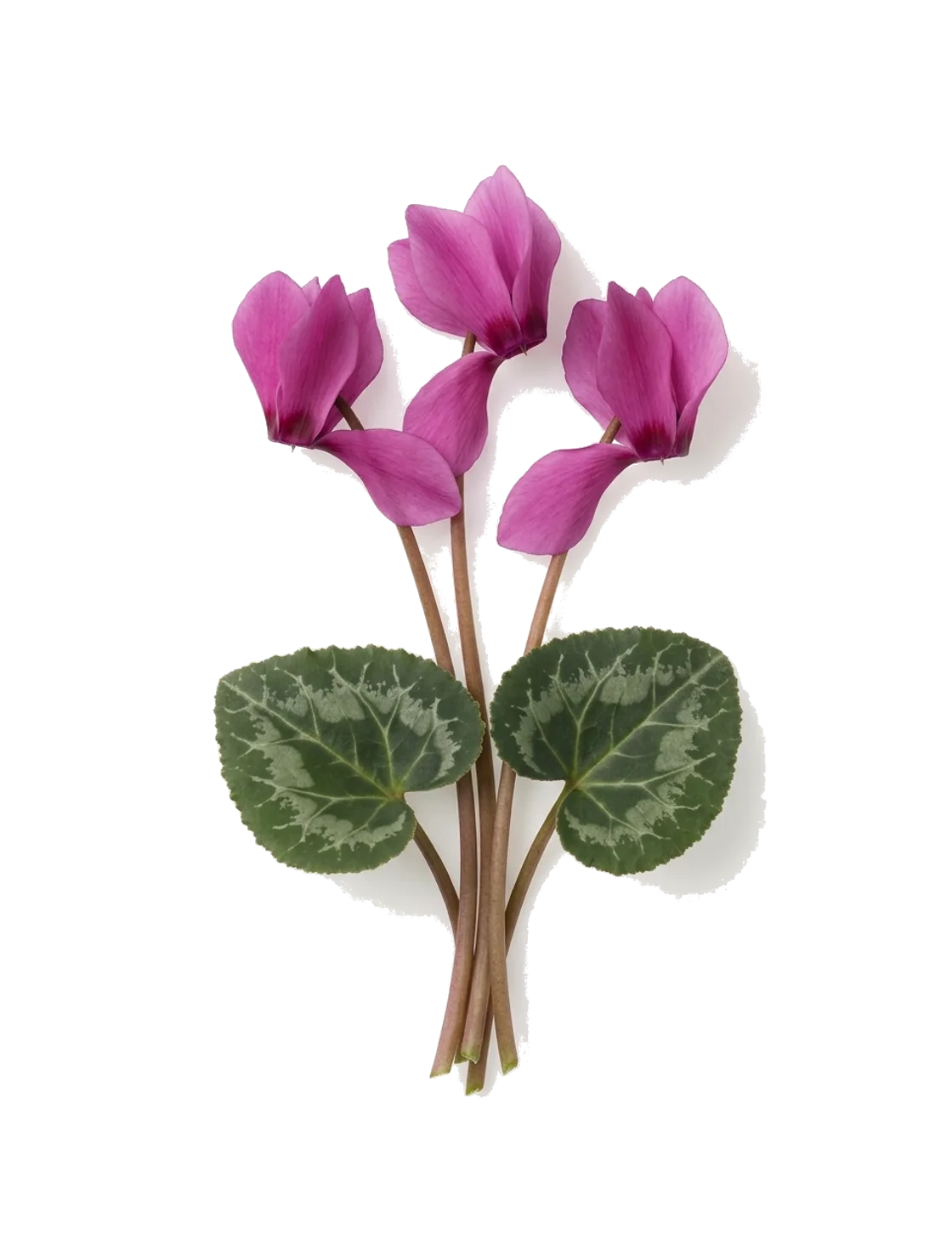
Cyclamen persicum, commonly known simply as cyclamen or florist's cyclamen, is a charming tuberous perennial celebrated for its winter-flowering habit. It showcases unique, upswept petals resembling shooting stars in vivid shades of pink, red, magenta, and pure white. Its heart-shaped foliage is equally striking, featuring intricate silver and pewter marbling over deep green patterns.
Native to rocky hillsides and woodland margins around the Mediterranean, cyclamen naturally adapts to cool, humid conditions during the colder months. When grown indoors, it provides much-needed color just as other houseplants slow their growth. As spring transitions to warmer weather, the foliage naturally withers as the tuber prepares to rest dormant underground until the return of autumn chills.
While many gardeners mistakenly treat cyclamen as short-lived annuals, understanding their seasonal rhythm allows them to thrive for multiple years. Key to their long-term health is providing cool living spaces, adequate indirect light, and careful bottom watering that protects the central tuber from excess moisture. With minimal adjustments, this resilient plant will reward you with reliable cold-weather blooms.
Did you know?Unlike most flowering houseplants, cyclamen blooms actively throughout late autumn and winter while entering a dormant state during hot summer months.
Care. What it needs, point by point.
- Watering
- 1–2× a weekWater from the bottom by filling the saucer and letting the pot absorb moisture for fifteen minutes before emptying excess water. Water approximately once or twice a week only after the top inch of soil feels dry to the touch. Keep water away from the tuber crown and leaves to avoid moisture rot.
- Light
- IndirectProvide plenty of bright, indirect sunlight throughout its active growing period. Avoid harsh direct sun, which scorches the foliage, but ensure the spot is not overly dim.
- Temperature
- 10–16 °C ideal temperatureKeep temperatures cool, ideally between 10 °C and 16 °C during the flowering season. Protect the plant from indoor heating vents and prolonged freezing temperatures below 0 °C.
- Soil
- Use a well-draining, peat-rich potting mix amended with perlite or coarse sand to ensure swift aeration around the tuber.
- Fertilizer
- 2 weeks between feedsFeed with a diluted, low-nitrogen liquid fertilizer for flowering plants every two weeks while actively blooming.
- Pruning
- Remove spent flower stems and yellowing leaves by gripping them near the tuber and gently twisting until they snap cleanly away.
- Propagation
- Propagate cyclamen by sowing seeds in dark, cool conditions or by dividing mature tubers during their summer dormancy. Seed propagation requires patience, as seedlings can take well over a year to establish their first flower display.
Where it grows. In the wild and in homes.
In the wild it grows in western Asia, northern Africa, and southeastern Europe, in a subtropical climate.
People have also taken it to one more region where it now grows on its own: southeastern Europe.
Range: Plants of the World Online, Royal Botanic Gardens, Kew
Is Cyclamen toxic to cats and dogs?
Toxic to cats and dogs.

Cats
Toxic

Dogs
Toxic
Usual signs
Salivation, vomiting, and diarrhea; large ingestions of tubers can cause heart rhythm abnormalities, seizures, and death.
If your pet has chewed it and shows symptoms, call your vet or the nearest emergency vet.
Source · ASPCA Animal Poison Control
Common problems What tends to go wrong.
- Root rot
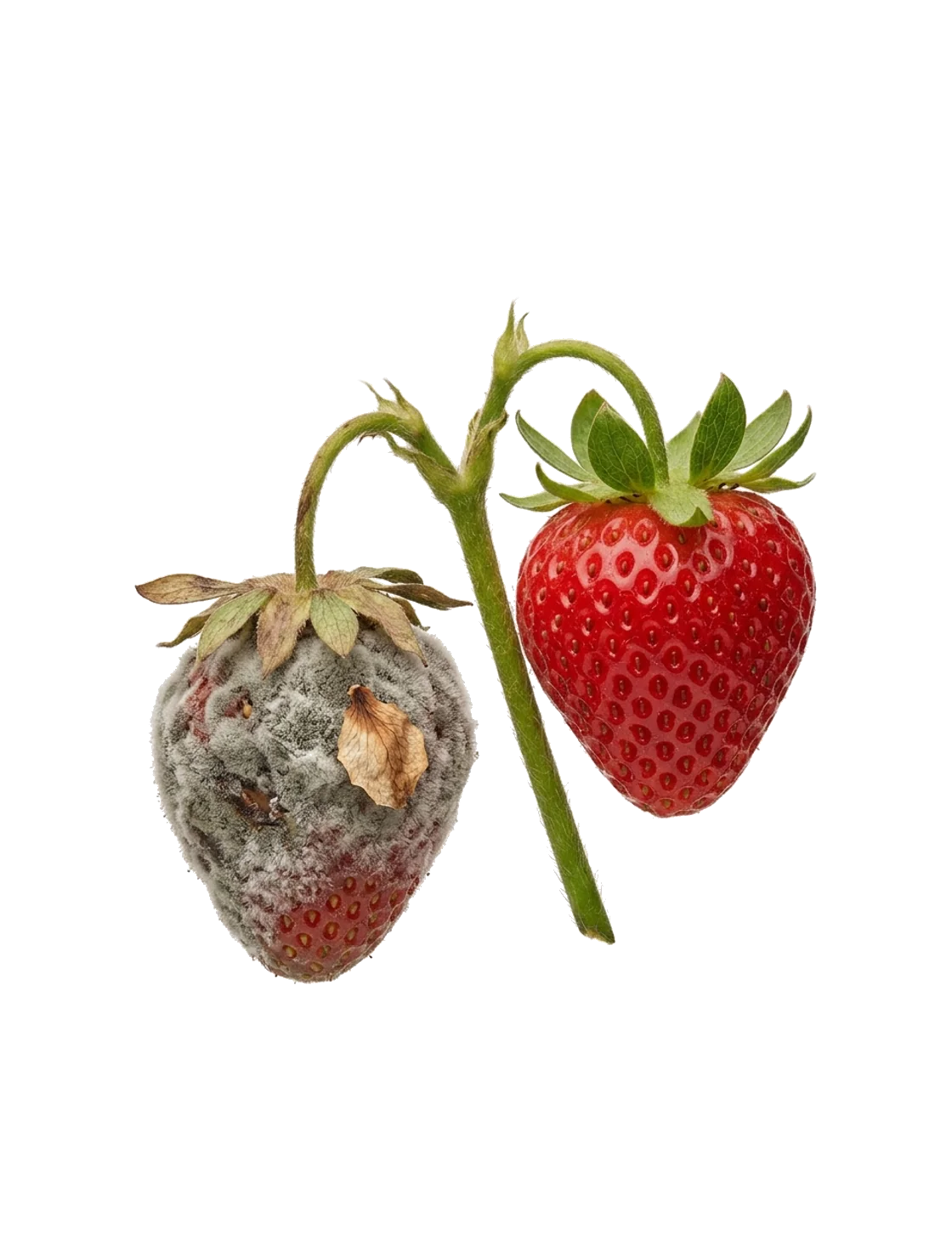
- Botrytis (grey mould)
- Overwatering
- Dry air



Frequently asked questions What people ask most.
Why are my cyclamen leaves turning yellow?
Yellow leaves are usually caused by excessive watering or room temperatures that are too high. However, if yellowing happens in late spring, it is simply the plant entering its natural summer dormancy.
How do I care for cyclamen during summer dormancy?
Stop watering gradually as the leaves die back and store the pot in a cool, shaded, and dry spot away from sunlight. Resume light watering in early autumn once new leaf shoots start to emerge from the tuber.
Is cyclamen an indoor or outdoor plant?
Cyclamen can thrive in either setting as long as the surrounding climate stays cool without severe frost. Indoors, place it in an unheated bright room, while outdoors it performs best on shaded patios or protected garden borders.
Why should I water cyclamen from the bottom?
Bottom watering prevents water from pooling directly in the central crown of the tuber, which is prone to fungal rot. Allowing the soil to drink up water from the tray keeps roots hydrated while preserving the tuber's health.