
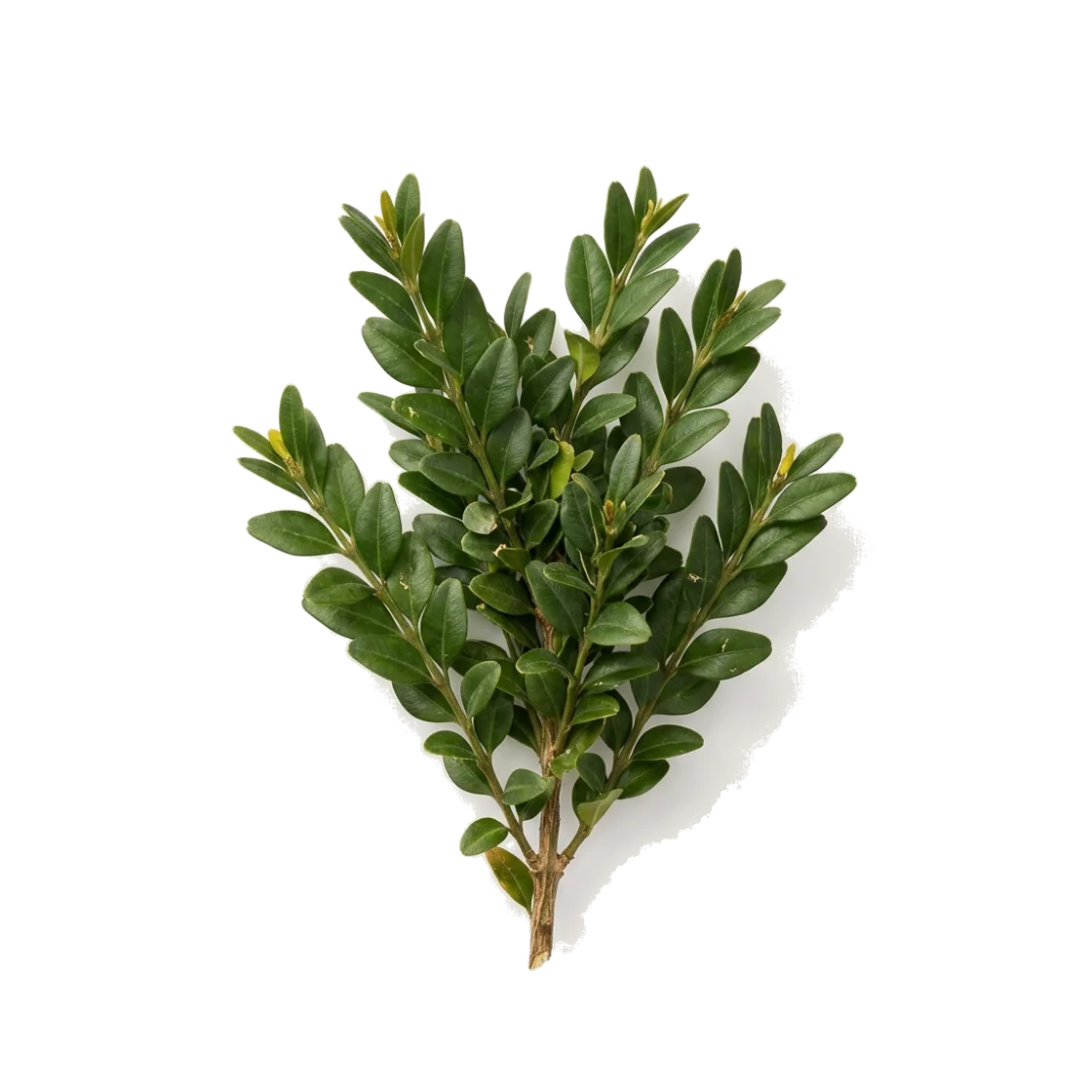
Common box (Buxus sempervirens) is a quintessential evergreen shrub in classical landscape architecture, celebrated for its dense, glossy green foliage and dependable, slow-growing nature. Its small, leathery leaves form tight branch structures that tolerate strict shearing, making it the premier choice for formal hedges, topiary forms, and neat garden borders.
It adapts smoothly to varied environments, thriving equally in dappled light, partial shade, or full sun in temperate zones. While it enjoys fertile, consistently moist soil, proper drainage is vital to avoid standing moisture around its fine roots. It performs outstandingly both in garden beds and in substantial outdoor planters.
Renowned for its cold hardiness and longevity, common box can thrive for decades with basic care. Vigilance against pests such as the box tree moth and careful pruning during cool weather will keep its dense foliage healthy and vibrant throughout every season.
Did you know?Its wood is so exceptionally dense that it sinks in water, making it historically prized for fine wood engraving, musical instruments, and chess pieces.
Care. What it needs, point by point.
- Watering
- 1–2× a weekWater moderately, allowing the top layer of soil to dry out between sessions. Potted specimens typically need watering once or twice a week in warm weather, whereas established garden plants rely mostly on seasonal rainfall. Check moisture by pressing into the soil before adding water.
- Light
- Full sunIt flourishes in full sun to partial shade, though afternoon shade prevents leaf scorch in hot, dry regions. In cooler climates, it happily withstands all-day sun.
- Temperature
- -15–30 °C ideal temperatureBoxwood is remarkably hardy, tolerating temperatures between -15 °C and 30 °C without injury. Provide shelter or wind protection during severe winter chills combined with freezing winds.
- Soil
- It prefers rich, neutral to slightly alkaline soil that drains rapidly. Avoid heavy clay that holds standing water, as stagnant moisture quickly harms the roots.
- Fertilizer
- Apply a balanced, slow-release shrub fertilizer in early spring and again in late summer. Avoid late autumn feedings so new, tender growth is not damaged by early frosts.
- Pruning
- Perform main shaping cuts in late spring once fresh growth hardens, followed by a light tidy-up in late summer. Use sharp, sanitized shears on overcast days to avoid leaf scorching.
- Propagation
- Propagate by taking semi-hardwood cuttings in late summer or early autumn. Keep them in a well-draining, humid potting mix away from intense direct sun until rooted.
Where it grows. In the wild and in homes.
In the wild it grows in Europe, temperate Asia, and Africa, in a temperate climate.
People have also taken it to 20 more regions where it now grows on its own: North America, Africa, Europe, and Australasia.
Range: Plants of the World Online, Royal Botanic Gardens, Kew
Is Common box toxic to cats and dogs?
Toxic to cats and dogs.

Cats
Toxic

Dogs
Toxic
Usual signs
In dogs and cats it causes vomiting and diarrhea; in horses it can cause colic, diarrhea, respiratory failure, and seizures.
If your pet has chewed it and shows symptoms, call your vet or the nearest emergency vet.
Source · ASPCA Animal Poison Control
Common problems What tends to go wrong.
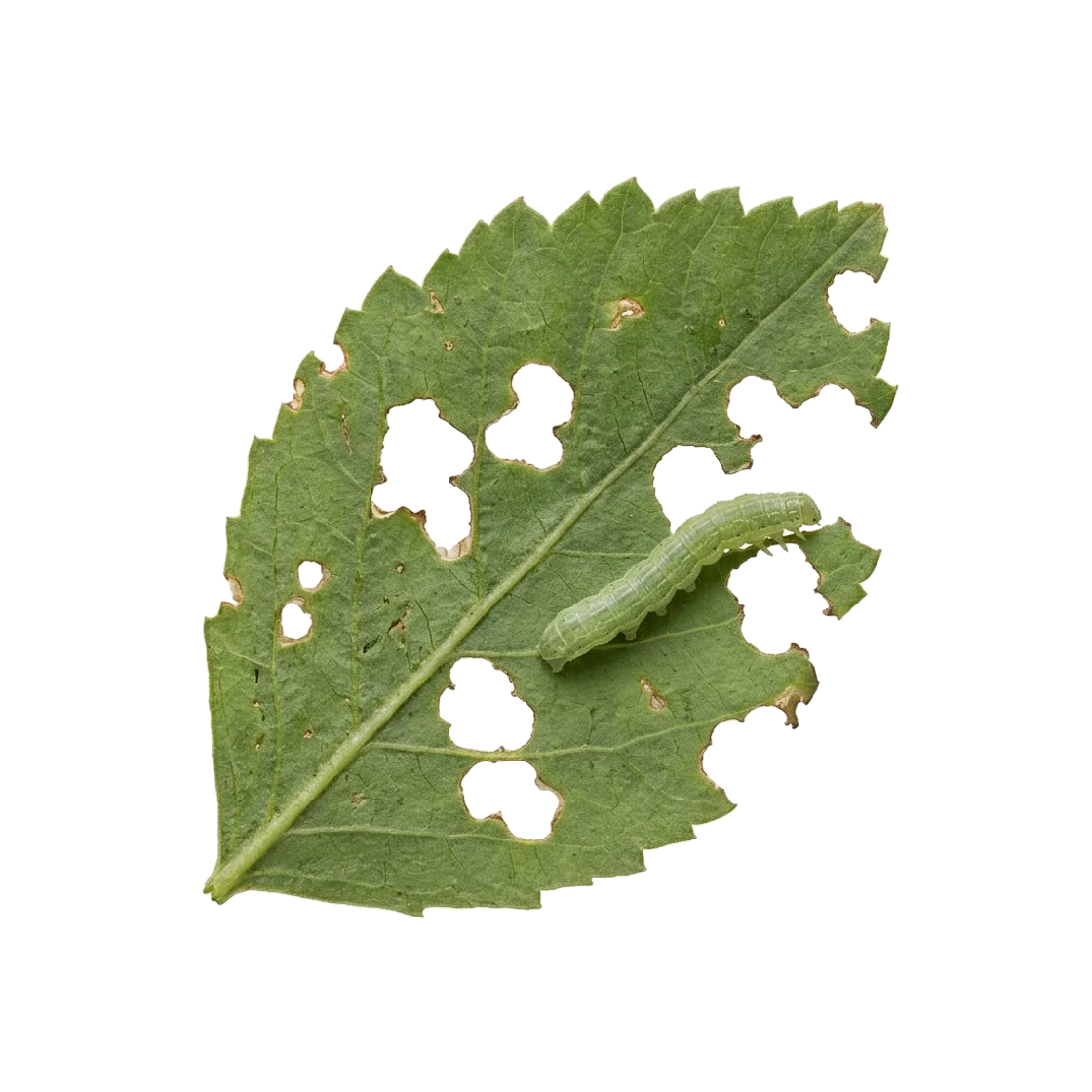
- Caterpillars
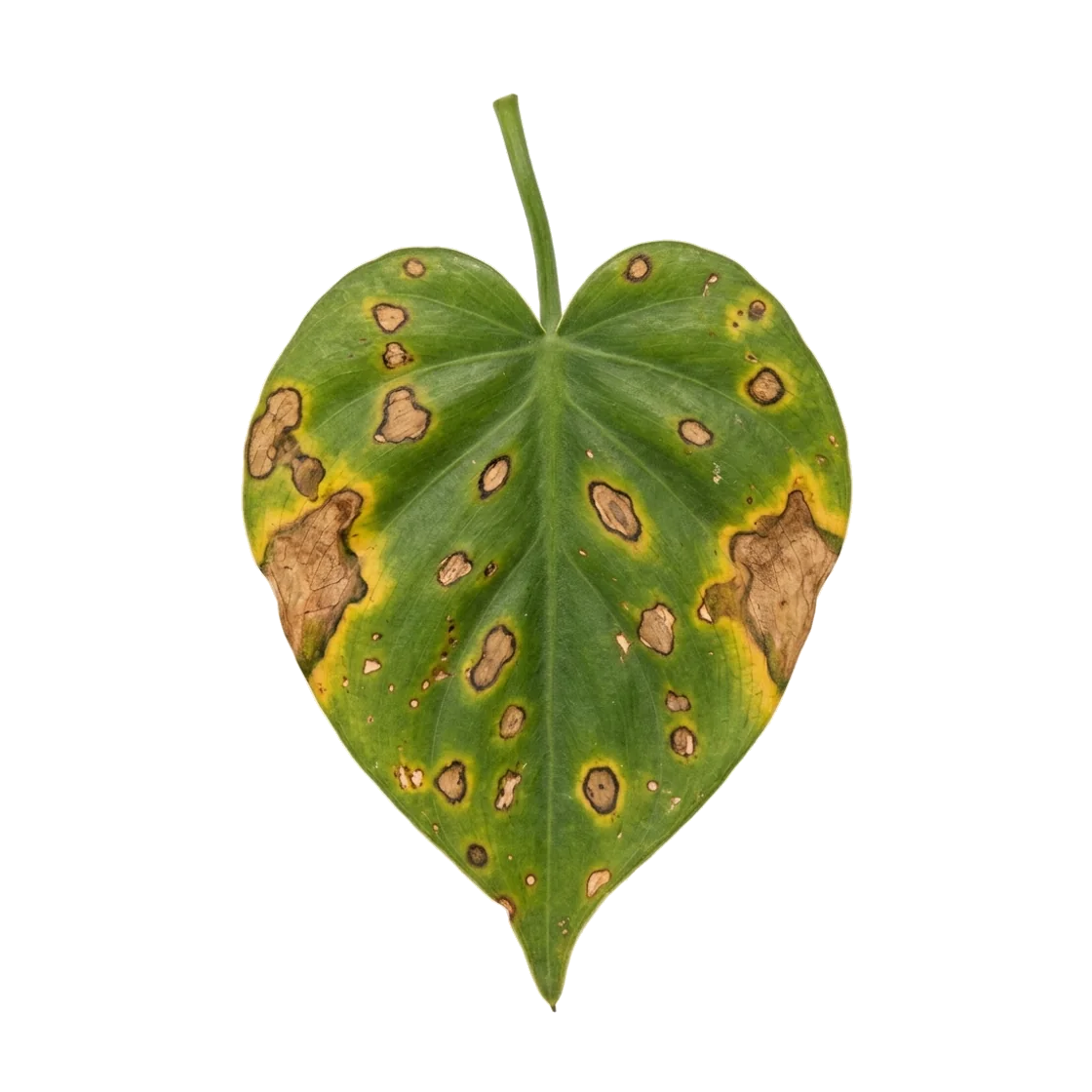
- Fungal or bacterial leaf spots
- Root rot
- Spider mites


Frequently asked questions What people ask most.
Why are my box leaves turning yellow or orange?
Orange bronzing is often a natural reaction to winter cold or intense sunlight combined with dry wind. If leaves turn yellow and drop prematurely, it usually points to overwatering or poor drainage causing root stress.
When is the best time to prune common box?
The ideal time to trim is late spring after the first flush of spring growth has settled, with an optional touch-up in late summer. Always prune on a cloudy day so the newly revealed inner foliage does not scorch.
How often should boxwood in pots be watered?
Container-grown boxwood generally needs water every 4 to 6 days during summer, reduced to once every two weeks in winter. Always check that the top inch of soil feels dry before watering again.
What causes sudden dieback and bare patches in boxwood?
Sudden defoliation is frequently caused by the box tree caterpillar feeding aggressively, or by fungal box blight. Inspect the interior foliage closely for green caterpillars, webbing, or black stem lesions.