
Cape leadwort
Plumbago auriculata
Essential care guide for Cape leadwort (Plumbago auriculata): light needs, pruning, watering schedule, and winter protection for endless blooms.
- Light
- 6 hof direct sun
- Watering
- 1–2×a week
- Temperature
- 15–30 °Cideal temperature
- Toxicity
- Non-toxic
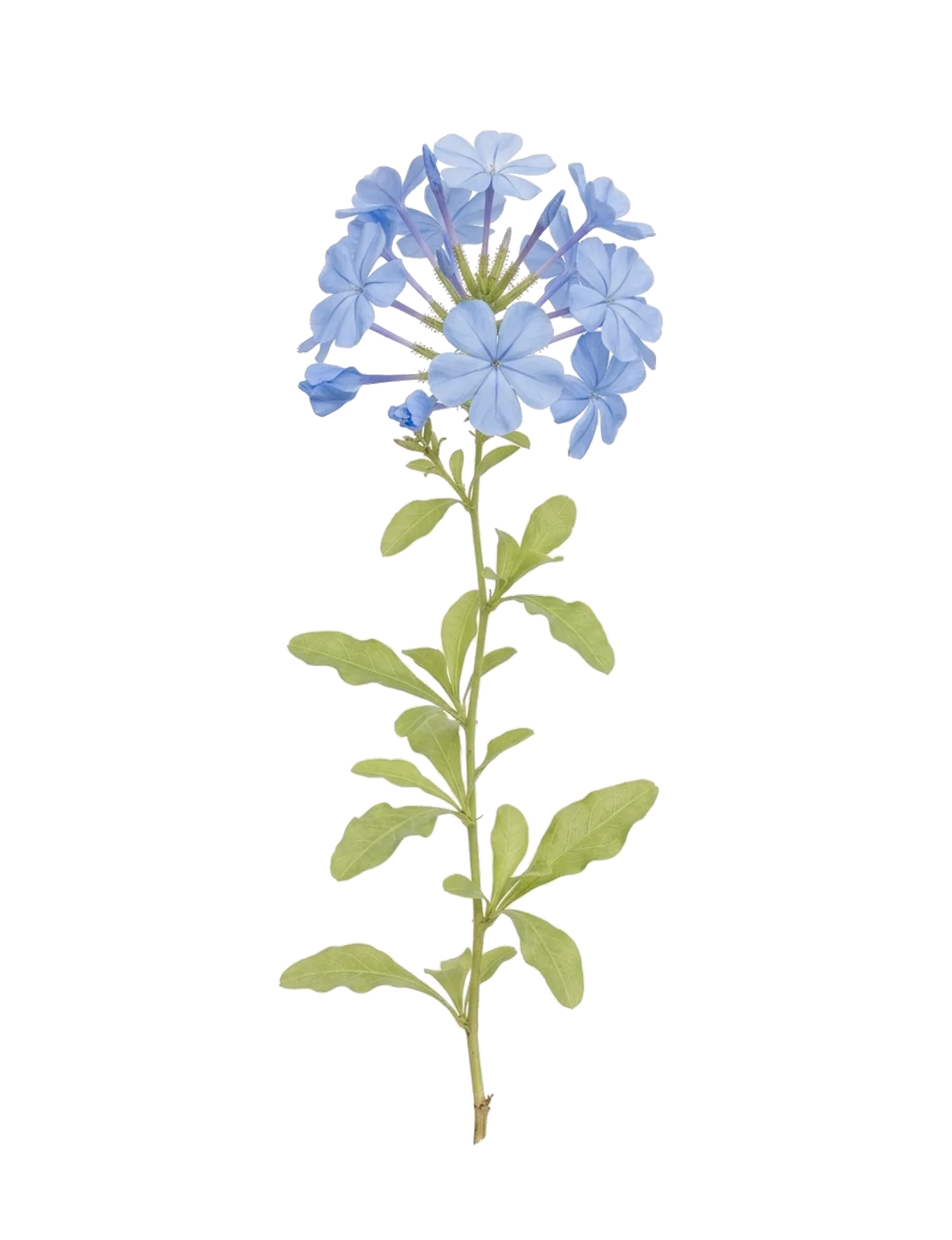
Cape leadwort, commonly known as plumbago or skyflower, is a vigorous, sprawling evergreen shrub native to South Africa. It features arching branches that can be trained easily as a climber over trellises and fences, or left unsupported to form an informal, spreading mound in sunny borders and large patio containers.
The main highlight of this plant is its continuous display of phlox-like, sky-blue flower clusters that open from late spring well into the autumn months. The pale green leaves are oblong and smooth, while the calyx behind each blossom is covered in sticky, glandular hairs designed to catch on passing wildlife for seed dispersal.
This tough, sun-loving species is remarkably drought tolerant once established and thrives in warm, temperate gardens. It asks for little routine maintenance beyond well-draining soil and a hard prune in late winter to keep its vigorous growth contained and encourage abundant flowering on fresh wood.
Did you know?Its flower calyxes are covered in sticky glandular trichomes, which naturally adhere to clothes and animal fur to facilitate seed dispersal.
Care. What it needs, point by point.
- Watering
- 1–2× a weekWater thoroughly once or twice a week during hot summer weather, letting the top inches of soil dry between waterings. In winter, reduce watering drastically and only moisten the soil to prevent complete desiccation.
- Light
- 6 h of direct sunThrives best in full sun, needing at least six hours of direct sunlight each day for optimal blooming. It can survive in light shade, but flowering will be noticeably sparse and stems may become leggy.
- Temperature
- 15–30 °C ideal temperatureIt prefers warm conditions between 15 °C and 30 °C. The top growth is damaged by frost below -3 °C, although established specimens usually resprout quickly from root crowns in spring.
- Soil
- Requires a gritty, well-draining potting mix or garden soil to avoid soggy conditions. It handles poor soils well but performs best in slightly acidic to neutral loam.
- Fertilizer
- 2–3 weeks between feedsFeed with a balanced, bloom-boosting liquid fertilizer every two to three weeks from spring through late summer. Stop all feeding during late autumn and winter when growth naturally slows.
- Pruning
- Prune back hard in late winter or early spring before fresh growth begins. Cutting back older stems by half to two-thirds encourages vigorous new flowering wood and maintains a dense form.
- Propagation
- Easily propagated through semi-hardwood stem cuttings taken in late spring or summer. Seeds can also be sown in early spring in warm, bright conditions.
Where it grows. In the wild and in homes.
In the wild it grows in southern Africa and south tropical Africa, in a subtropical climate.
People have also taken it to 44 more regions where it now grows on its own: Africa, South and Central America and the Caribbean, Europe, and tropical Asia.
Range: Plants of the World Online, Royal Botanic Gardens, Kew
Is Cape leadwort toxic to cats and dogs?
The ASPCA doesn't list this species. If your pet has chewed it and seems unwell, call your vet.
Common problems What tends to go wrong.
- Iron chlorosis
- Aphids
- Spider mites
- Cold damage
- Overwatering




Frequently asked questions What people ask most.
Why is my Cape leadwort not blooming?
Insufficient direct sunlight is the primary culprit, as this plant requires at least six hours of full sun daily. Excessive nitrogen fertilizer can also lead to lush foliage growth without any flower buds.
How do I train Cape leadwort to climb a trellis?
Since it lacks natural tendrils or adhesive roots, you must manually tie its sprawling, flexible stems to the structure with soft garden ties. Guide the main shoots upward and outward as they lengthen.
Why are the leaves turning yellow?
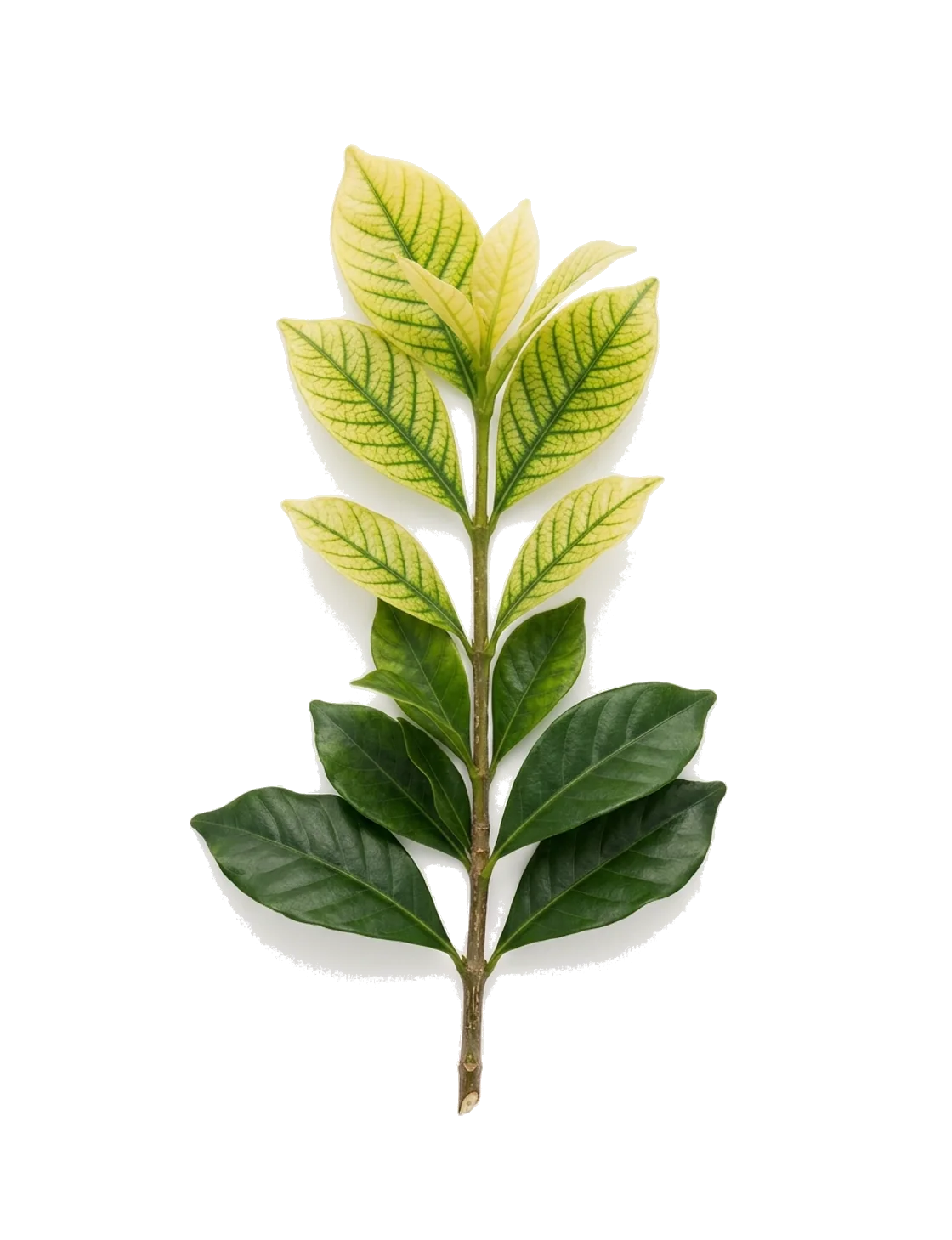
Yellowing leaves typically indicate iron deficiency caused by alkaline soil, or root stress from overwatering. Apply chelated iron to correct the chlorosis and ensure water drains away freely from the roots.
Can Cape leadwort survive winter freezing temperatures?
Frost will kill off the above-ground stems, but the root system can survive brief dips down to around -5 °C if well mulched. Cut back any dead, frost-damaged wood in late winter before new shoots emerge.