
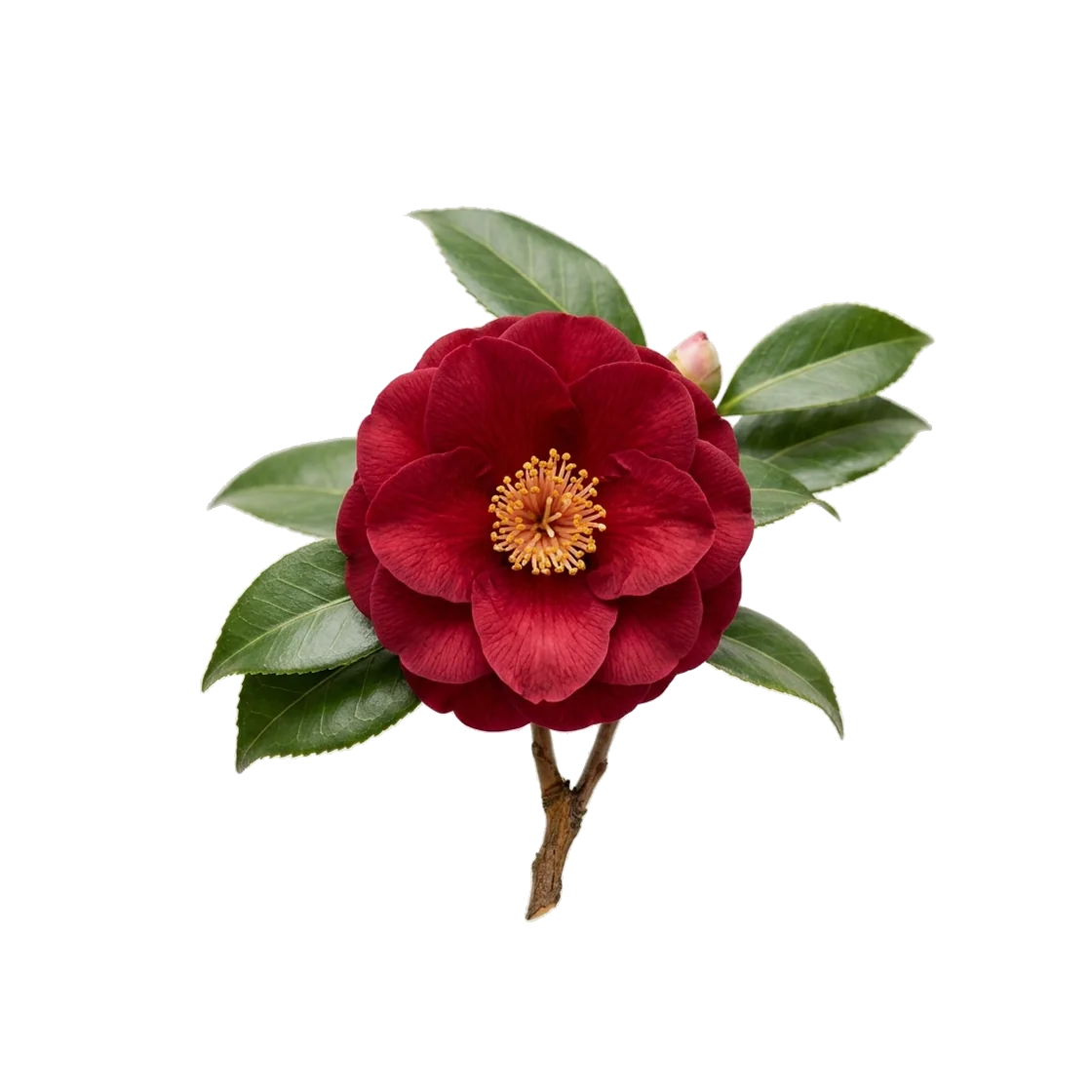
Camellia japonica, commonly known as Japanese camellia, is an evergreen shrub native to the temperate forests of East Asia, celebrated in gardens for its dense foliage and breathtaking cool-season blooms. Its leathery, glossy dark green leaves create an attractive, compact canopy that provides substantial year-round garden structure and visual interest. It shines brightest between late winter and early spring, blooming vigorously when much of the landscape is still dormant.
The flowers range from single to fully double forms, displaying colors that span from crisp whites to vivid pinks and deep crimsons. As a strict acid-loving plant, it requires soils with a low pH and soft, calcium-free water to properly absorb iron and other essential micronutrients from the growing medium.
Camellias thrive best in sheltered, humid, temperate environments away from dry winds and extreme frosts. They perform reliably either planted directly into garden borders or grown in large containers on patios, provided they receive dappled shade, regular moisture, and an organic-rich, well-draining soil mix.
Did you know?In their native woodland habitats, wild camellia flowers are often pollinated by small songbirds feeding on their copious winter nectar.
Care. What it needs, point by point.
- Watering
- 2–3× a weekWater thoroughly once the top inch of soil starts to feel dry, keeping the root ball consistently moist without becoming waterlogged. Water 2 to 3 times a week in warm summers and reduce to once weekly or less in winter. Always prefer rainwater or filtered soft water.
- Light
- Part shadePosition in bright partial shade or dappled light, shielding the foliage from scorching midday sun. Gentle morning sunlight is ideal for encouraging healthy flower bud development.
- Temperature
- 10–20 °C ideal temperatureThrives best between 10 and 20 °C during the main growing season. Established plants can tolerate brief drops down to -5 °C, but prolonged freezing will damage open flowers and buds.
- Soil
- pH 5–6Requires an acidic potting mix with a pH between 5 and 6, rich in peat moss, pine bark, and perlite. Never plant in alkaline or dense, poorly draining clay soils.
- Fertilizer
- Feed with an ericaceous fertilizer formulated for acid-loving plants from early spring through midsummer. Cease feeding by late summer to avoid forcing tender growth right before winter.
- Pruning
- Prune lightly immediately after flowering finishes in spring to shape the canopy and remove dead wood. Avoid pruning in late summer or autumn, as you will cut off developing flower buds.
- Propagation
- Propagate by taking semi-hardwood cuttings in midsummer with bottom heat and high humidity. Air layering is also effective on mature branches during late spring.
Where it grows. In the wild and in homes.
In the wild it grows in East Asia and China, in a subtropical climate.
People have also taken it to 7 more regions where it now grows on its own: tropical Asia, North America, temperate Asia, and Africa.
Range: Plants of the World Online, Royal Botanic Gardens, Kew
Is Camellia toxic to cats and dogs?
Non-toxic to cats and dogs.

Cats
Non-toxic

Dogs
Non-toxic
Source · ASPCA Animal Poison Control
Common problems What tends to go wrong.
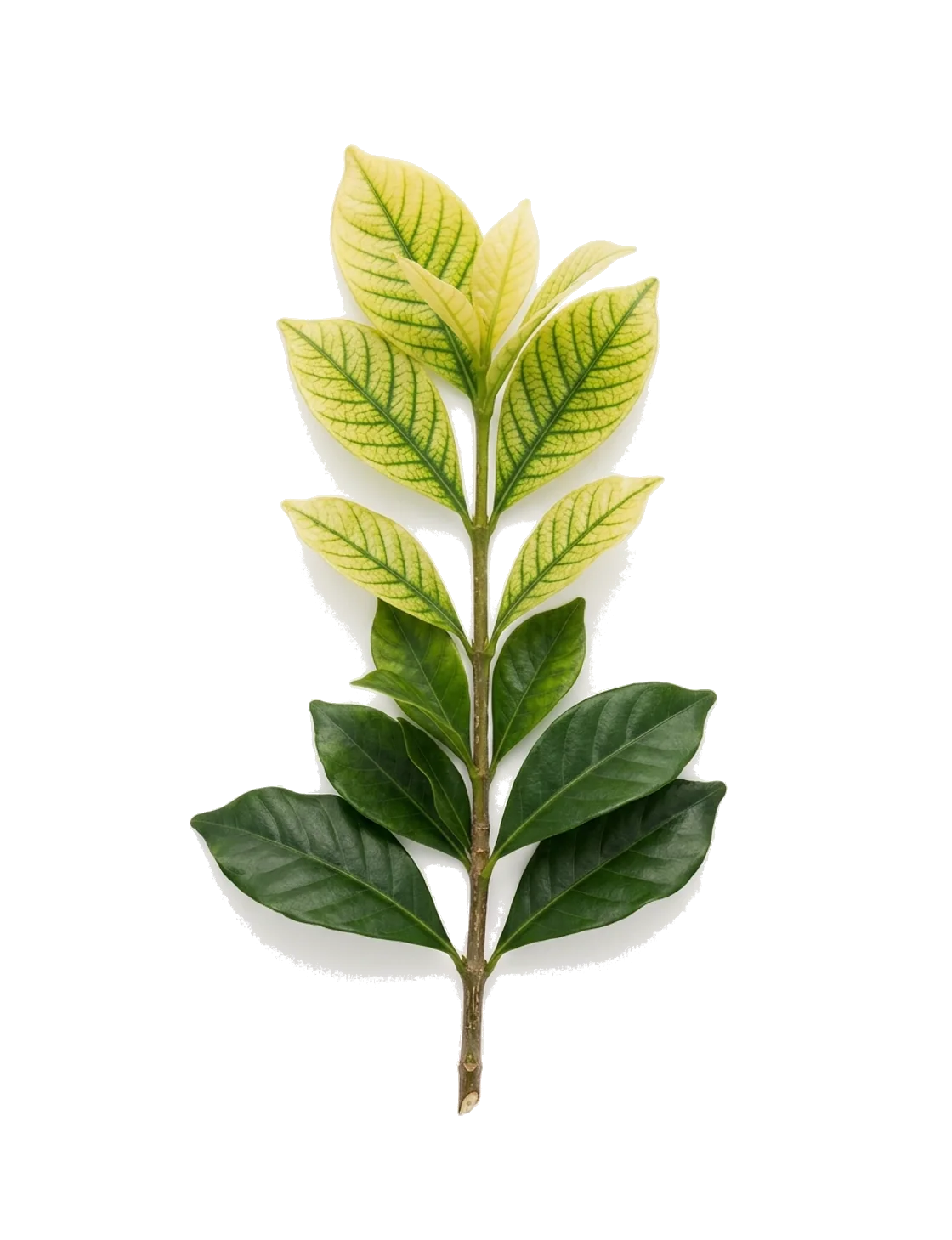
- Iron chlorosis
- Root rot
- Mealybugs and scale
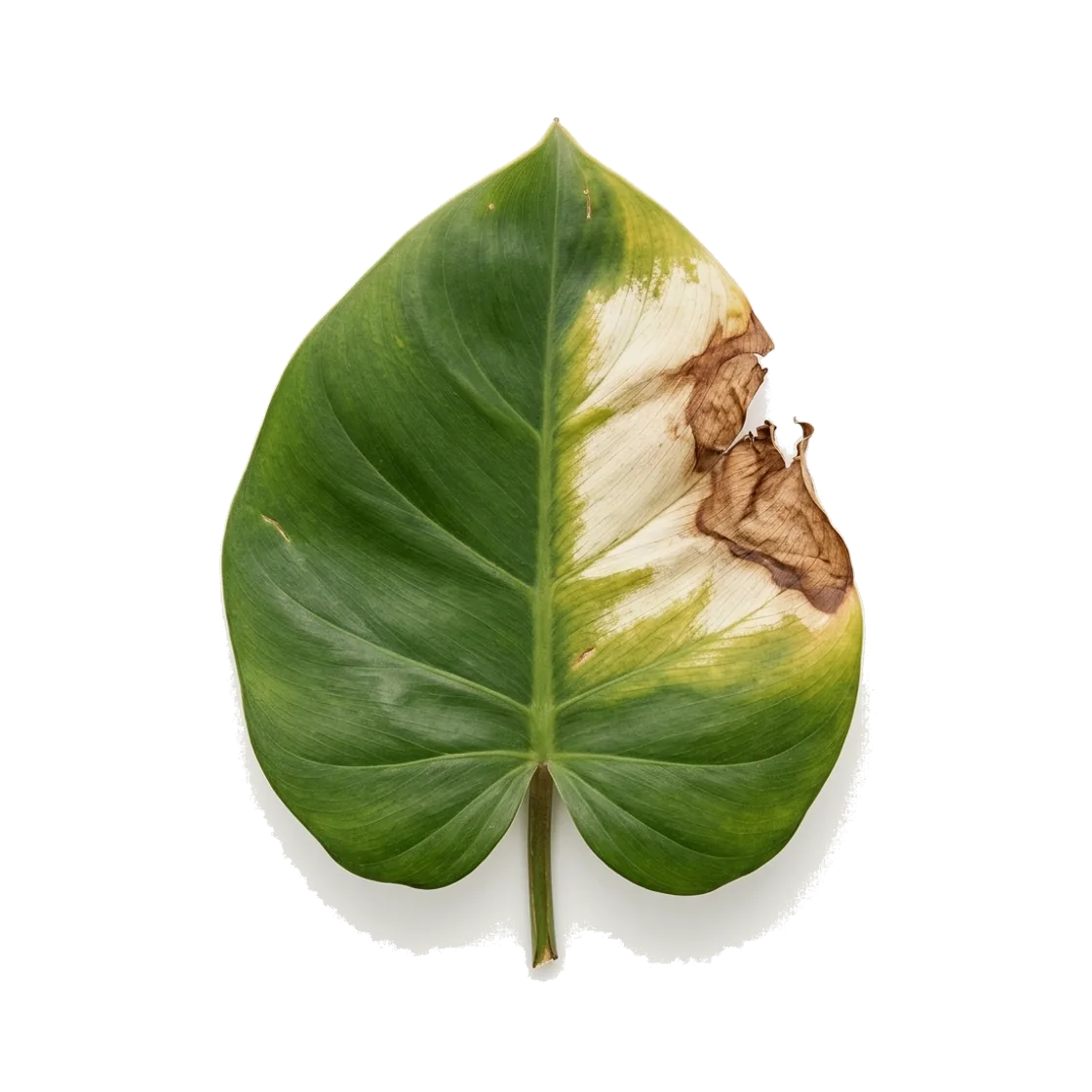
- Sunburn
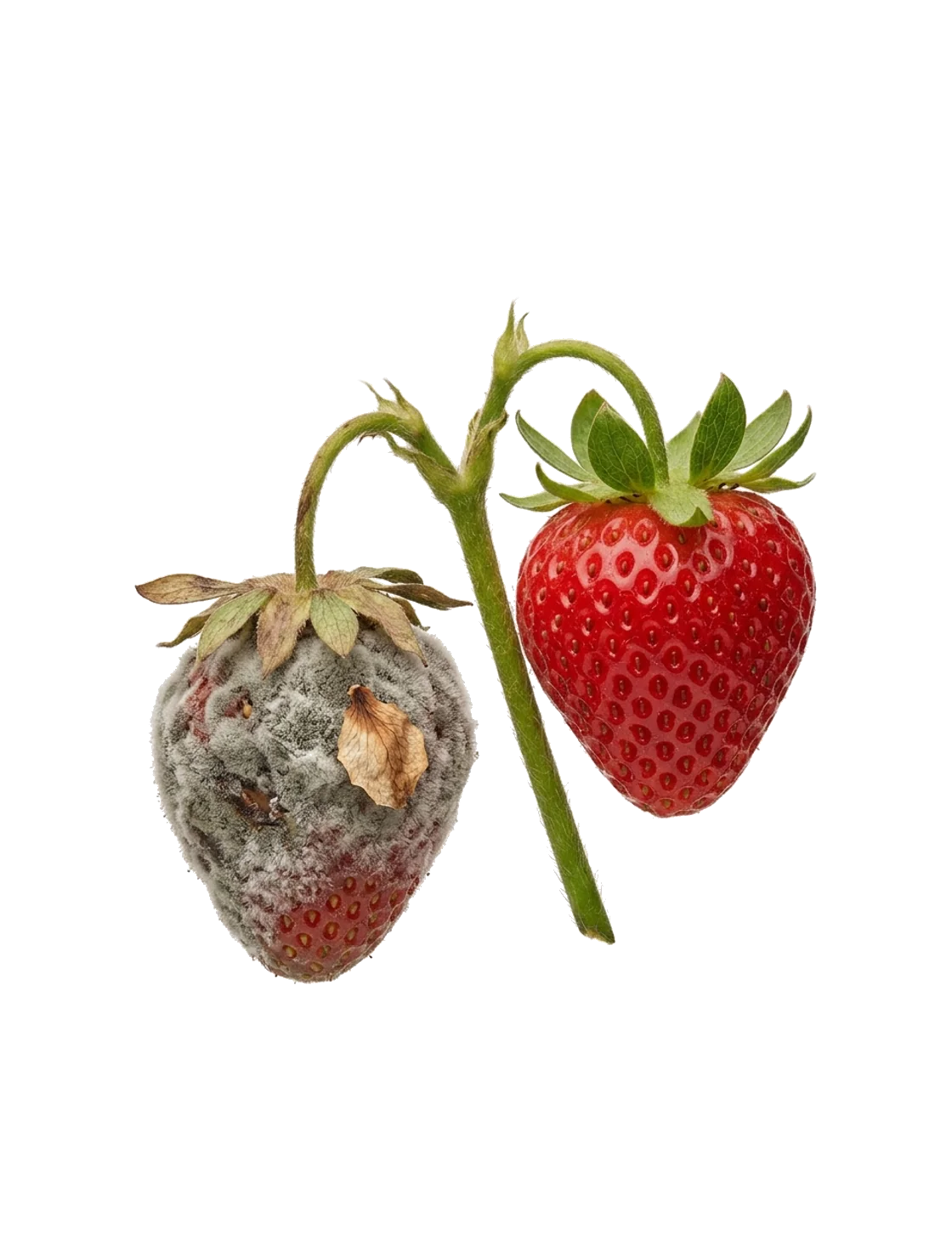
- Botrytis (grey mould)


Frequently asked questions What people ask most.
Why are my camellia flower buds dropping before opening?
Bud drop is usually caused by sudden temperature shifts, overly dry air, or irregular watering during bud development. Ensure the root zone stays evenly moist and protect the plant from freezing winds.
Why are the leaves turning yellow with dark green veins?
This is a classic sign of iron chlorosis, which occurs when soil pH is too high or hard tap water locks up iron uptake. Treat the soil with chelated iron and verify that the potting mix remains acidic.
How often should I water my camellia?
During warm summer months, plan on watering every two to three days so the soil never completely dries out. In winter, reduce the frequency to roughly once every seven to ten days depending on rainfall.
Can I grow a camellia as an indoor houseplant?
Camellias do poorly indoors because central heating creates dry, warm air that causes foliage and flower buds to drop quickly. They require cool outdoor temperatures and ambient humidity to thrive and set buds.