
Blue passion flower
Passiflora caerulea
Blue passion flower (Passiflora caerulea): exotic blue blooms on a hardy vine, with a complete guide to sun, pruning, watering and winter care.
- Light
- Full sun
- Temperature
- 16–28 °Cideal temperature
- Toxicity
- Non-toxic
- Difficulty
- Easy
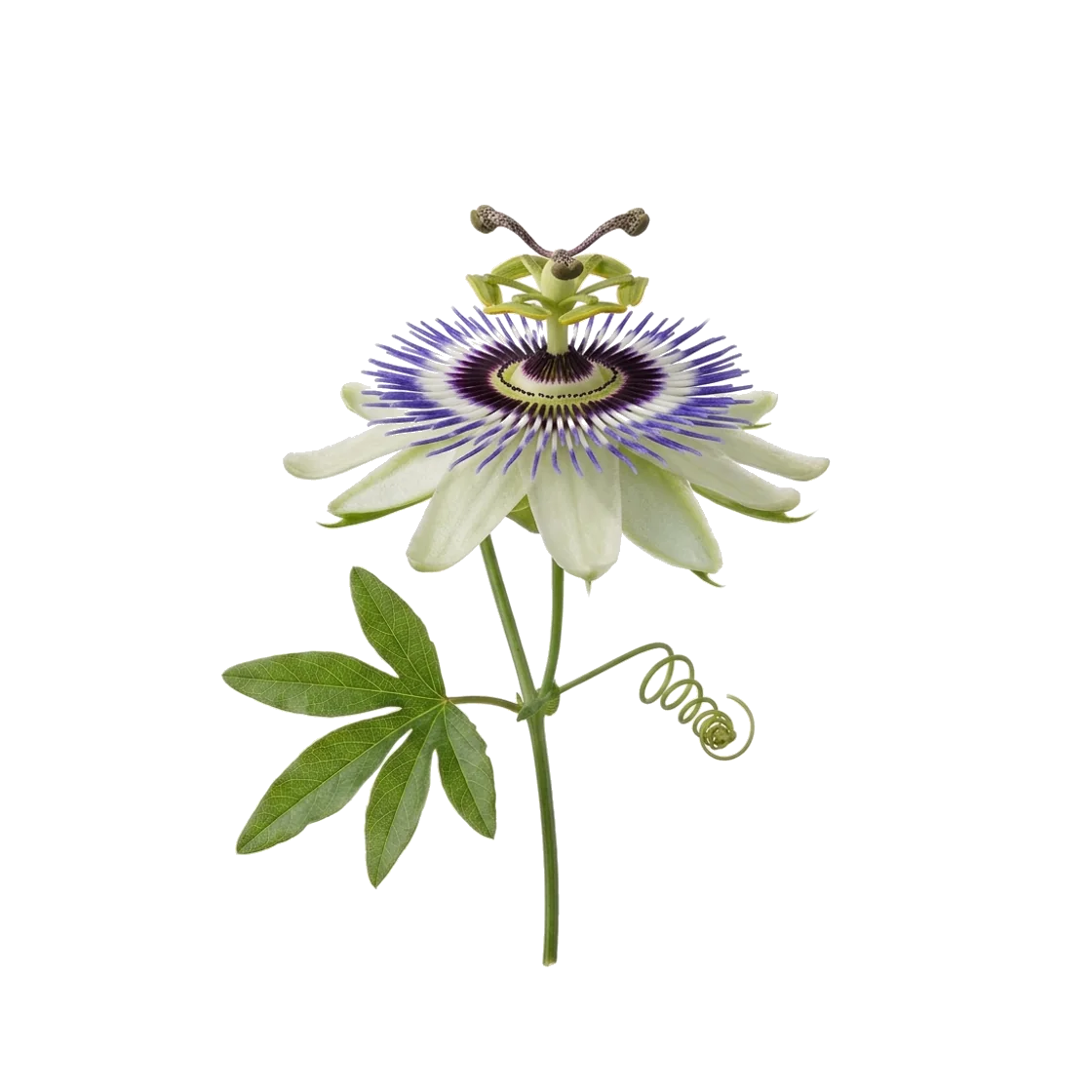
Blue passion flower (Passiflora caerulea) is a fast-growing climber from South America, famous for its exotic blue, white and violet blooms. It scrambles several metres in a season over walls, fences and pergolas, covering them with flowers from summer into autumn. The deeply lobed leaves stay green until the cold arrives, and orange egg-sized fruits follow the blooms.
Each flower is a complex rosette: wavy blue filaments crown a structure of stigmas and anthers that looks designed rather than grown. It opens in the morning and fades by evening, but new buds open every day for months. In warm autumns the fruits ripen to orange and hang like lanterns among the foliage.
It is the easiest passion flower for temperate gardens, far hardier than its tropical cousins and tolerant of poor soils. Give it sun, drainage and room to climb, and it rewards neglect with cascades of bloom. With a late-winter prune and a mulch at the base, it returns faithfully every spring.
Did you know?Each flower lasts a single day, yet a healthy vine opens dozens daily for months, and the orange egg-sized fruits glow against the autumn leaves.
Care. What it needs, point by point.
- Watering
- Water deeply during the first year so the roots establish well. Established plants tolerate drought, though regular summer watering extends flowering.
- Light
- Full sunIt flowers best in full sun, where the display is largest. It accepts light shade, but deep shade gives leafy growth with few flowers.
- Temperature
- 16–28 °C ideal temperatureIt grows best between 16 and 28 °C and withstands frosts to about -8 °C once established, reshooting from the base after harder cold. Mulch the crown where winters are harsh.
- Soil
- It grows in most soils that drain, from sandy to loamy ground, neutral to slightly acid. Avoid permanently soggy hollows where the crown rots.
- Fertilizer
- Mulch with compost in spring; that is usually enough. In poor soils add a balanced fertilizer at the start of the season and stop feeding by late summer.
- Pruning
- Prune in late winter, cutting weak and tangled stems and shortening the rest to shape. It flowers on new growth, so a yearly trim increases the number of blooms.
- Propagation
- Semi-ripe cuttings in summer root quickly in a humid, sheltered spot. Layering and division of suckers in spring work just as well.
Where it grows. In the wild and in homes.
In the wild it grows in southern South America, Brazil, and western South America, in a subtropical climate.
People have also taken it to 27 more regions where it now grows on its own: Europe, Africa, tropical Asia, and Australasia.
Range: Plants of the World Online, Royal Botanic Gardens, Kew
Is Blue passion flower toxic to cats and dogs?
The ASPCA doesn't list this species. If your pet has chewed it and seems unwell, call your vet.
Common problems What tends to go wrong.
- Aphids
- Mealybugs and scale
- Spider mites
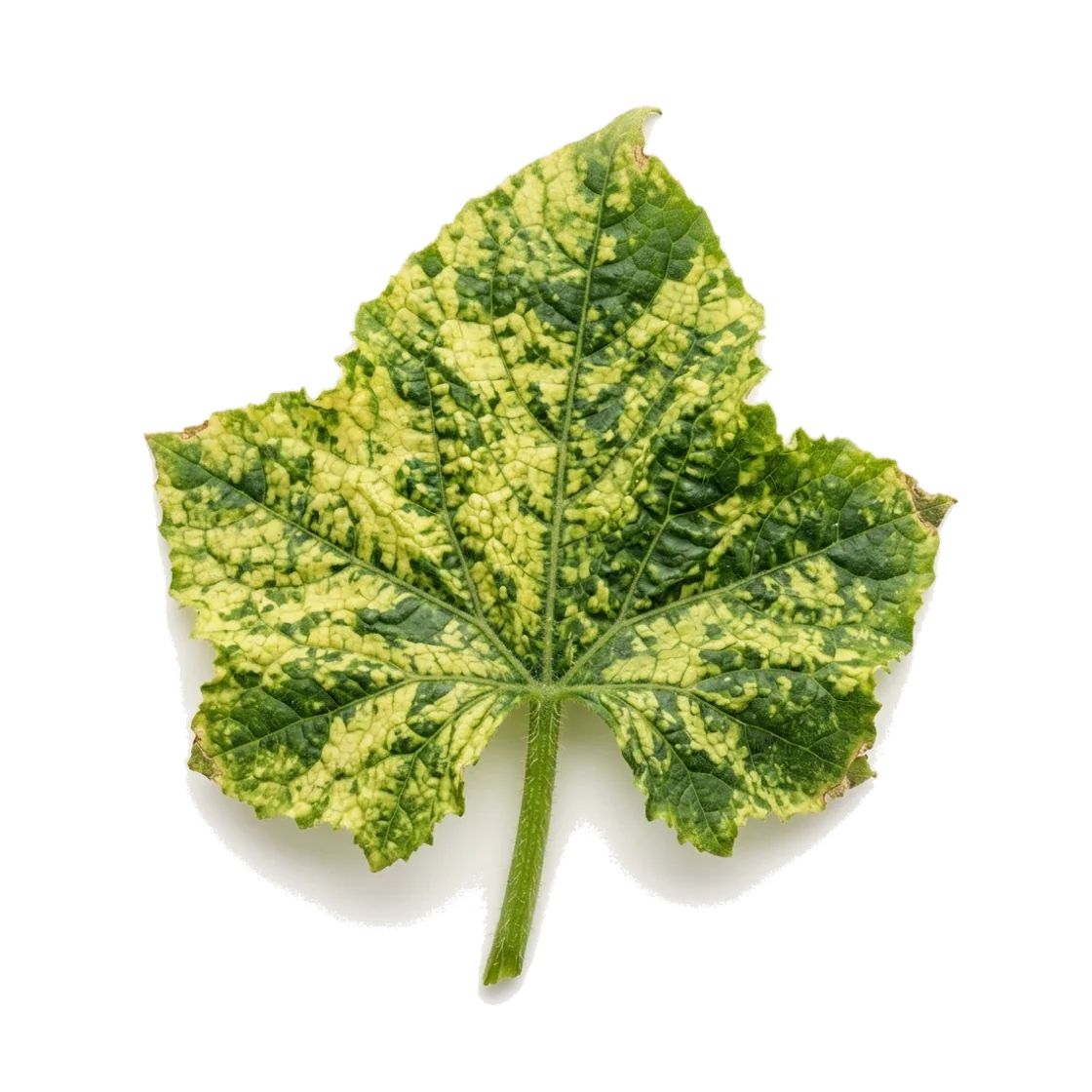
- Mosaic virus



Frequently asked questions What people ask most.
Why is my passion flower not blooming?
Young plants, shade and excess nitrogen are the classic brakes, since it flowers on mature new wood in full sun. Let the vines mature for a season or two and feed lightly. A late-winter prune that forces strong new shoots usually triggers the first good display.
Why are the leaves turning yellow?
Overwatering and cold, waterlogged soil are the first suspects, especially in winter pots. Let the compost dry on the surface and check the drainage holes. In autumn, some yellowing of older leaves is natural before the cold slows growth.
How often should I water it?
Soak new plants deeply once or twice a week during their first summer. Established vines cope with dry spells, though flowering lasts longer with steady summer moisture. Cut watering back sharply in winter, when the plant rests.
Does it survive frost?
It is the hardiest of the passion flowers: established plants survive to around -8 °C and reshoot from the base after harder freezes. Protect the crown with a thick mulch and shelter pots against a warm wall. In very cold districts, grow it in a container that winters under cover.
How do I keep it from spreading too far?
Pull out root suckers while small and prune the crown hard every late winter. Train the main stems on wires so growth stays where you want it. Avoid planting it against fragile gutters, since the tendrils grip everything within reach.