
Edging lobelia
Lobelia erinus
Discover how to grow edging lobelia in your garden or pots: watering tips, light needs, and trimming advice for profuse blue flowers all summer.
- Light
- Full sun
- Temperature
- 15–24 °Cideal temperature
- Toxicity
- Non-toxic
- Difficulty
- Easy
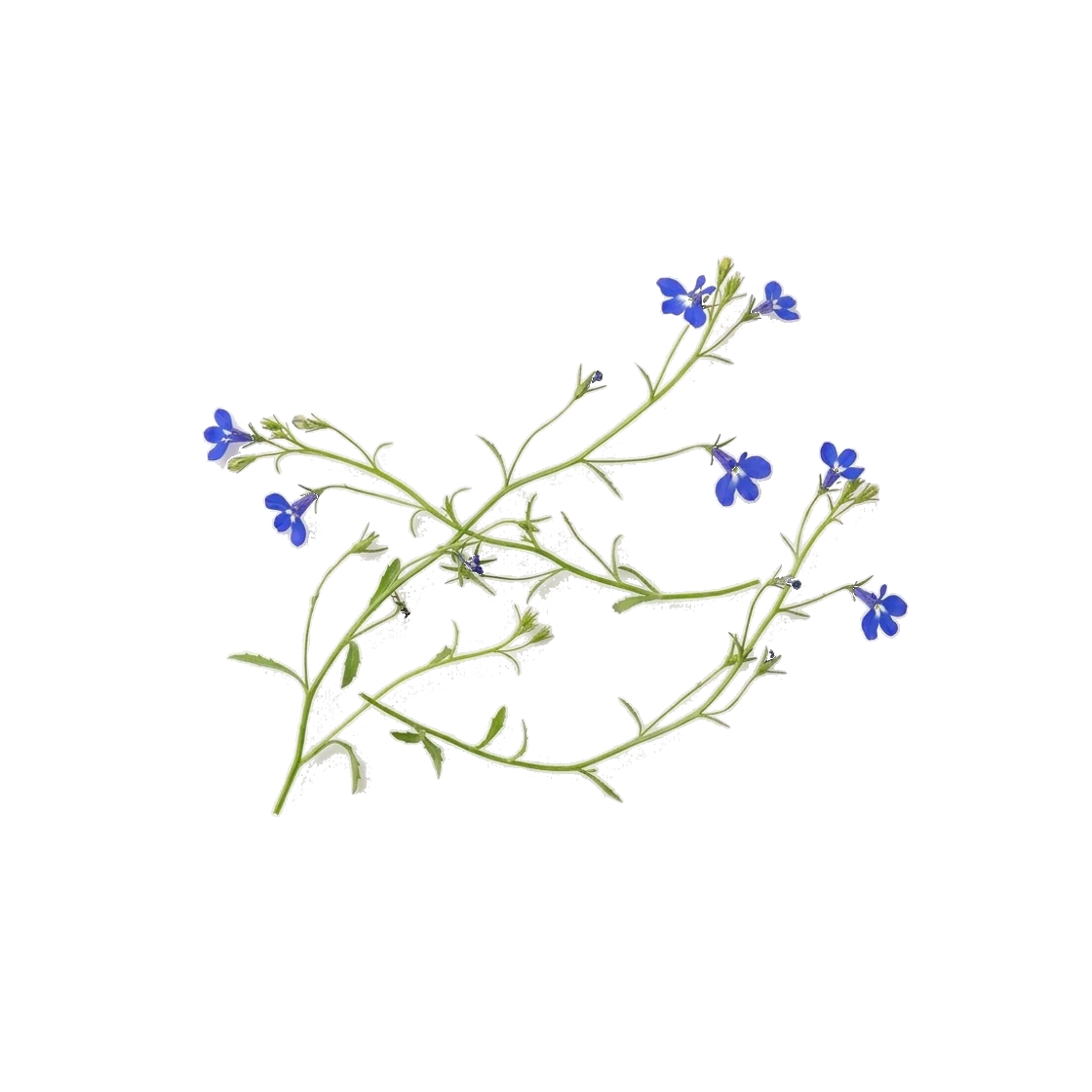
Native to southern Africa, edging lobelia (Lobelia erinus) is a tender herbaceous plant renowned for producing an abundance of delicate flowers in shades of electric blue, violet, and white. Typically growing between six and nine inches tall, it forms compact mounds or cascading mats, making it a staple for garden borders, rockeries, and hanging baskets.
While technically a short-lived perennial in its native range, it is almost universally grown as an annual in temperate climates due to its sensitivity to frost. It blooms profusely from late spring into summer, creating an eye-catching carpet of color. When midsummer heat sets in, the plant often pauses blooming, but a light shearing encourages a fresh flush of flowers as temperatures cool down in early autumn.
Edging lobelia performs best in moist, well-draining soil and cool to moderate temperatures. In cooler regions it thrives in full sun, while in warm climates it benefits substantially from morning light paired with shelter from the harsh afternoon sun.
Did you know?Although famous for producing rare true-blue flowers, cultivated varieties also come in purple, pink, and pure white shades.
Care. What it needs, point by point.
- Watering
- Water regularly to keep the soil consistently moist, as the plant declines quickly if the root ball dries out completely. Check the top inch of soil and irrigate thoroughly whenever it starts to feel dry, allowing excess moisture to drain freely.
- Light
- Full sunPosition in full sun in cool-summer regions to encourage the densest possible flowering. In hot climates, provide partial shade with morning sun and protection from intense afternoon heat.
- Temperature
- 15–24 °C ideal temperatureThe ideal growing temperature ranges between 15 °C and 24 °C (59 °F to 75 °F). It cannot withstand freezing conditions and tends to languish when summer temperatures exceed 30 °C for extended periods.
- Soil
- Use a light, fertile potting mix enriched with organic matter and perlite for good aeration. A well-drained medium retains essential moisture without waterlogging the delicate, fibrous roots.
- Fertilizer
- 2 weeks between feedsFeed every two weeks during spring and summer with a balanced liquid fertilizer formulated for flowering plants. Avoid high-nitrogen fertilizers, which stimulate dense leafy growth while reducing flower production.
- Pruning
- Shear the plant back by half in midsummer when the initial wave of blooms begins to fade. This tidy trim removes old seed heads and revitalizes the foliage for a vibrant second flush in late summer and autumn.
- Propagation
- Propagate from seed started indoors in late winter roughly eight to ten weeks before the final frost date. Since the seeds are extremely fine, gently press them into damp seed-starting mix without covering them, as they need light to germinate.
Where it grows. In the wild and in homes.
In the wild it grows in Africa, in a subtropical climate.
People have also taken it to 17 more regions where it now grows on its own: Europe, Africa, Australasia, and the Pacific.
The Florami community has photographed it in España.
Range: Plants of the World Online, Royal Botanic Gardens, Kew
Is Edging lobelia toxic to cats and dogs?
The ASPCA doesn't list this species. If your pet has chewed it and seems unwell, call your vet.
Gallery As the community sees it.
Photo · André Karwath aka Aka · CC BY-SA 2.5
Common problems What tends to go wrong.
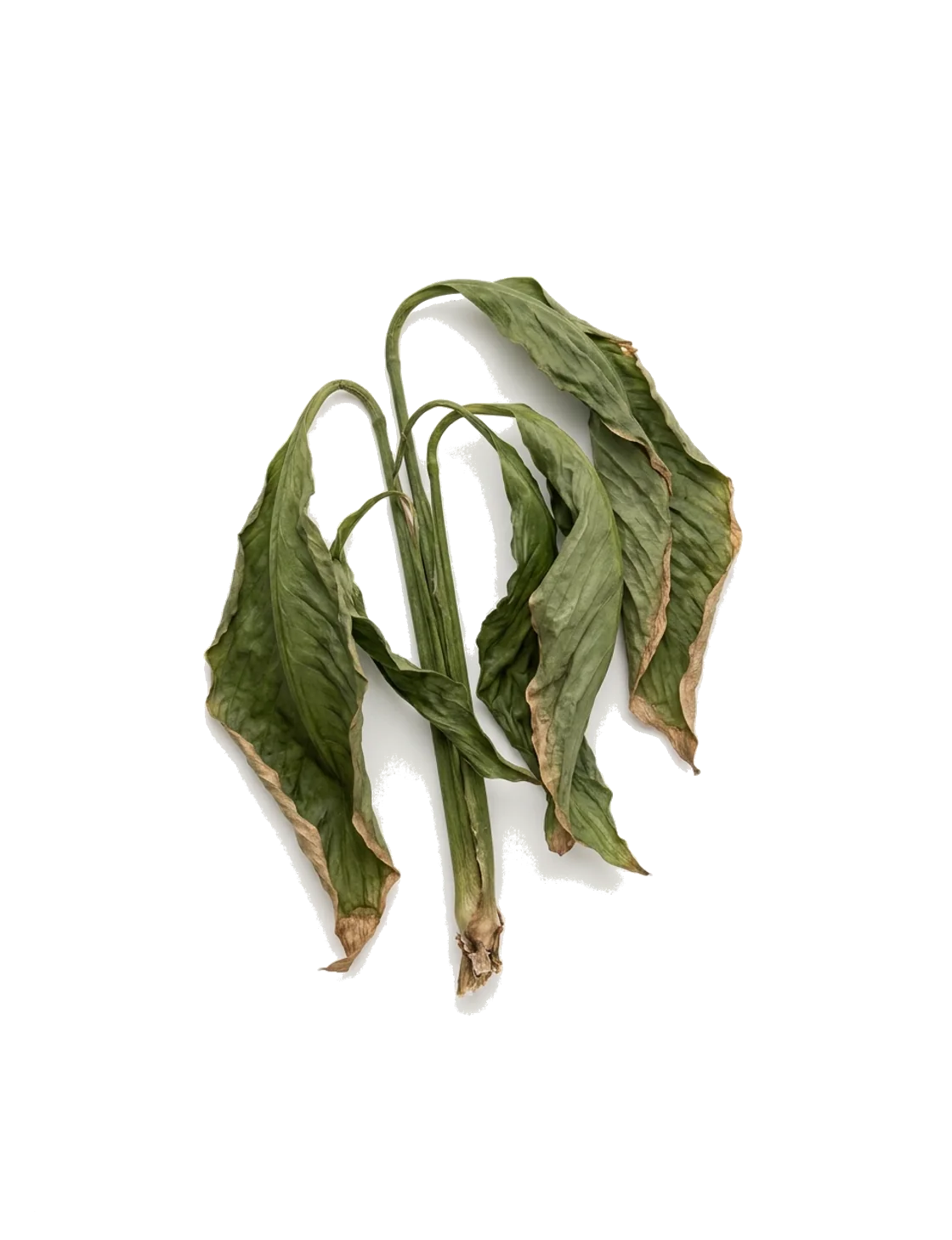
- Underwatering
- Root rot
- Spider mites
- Aphids
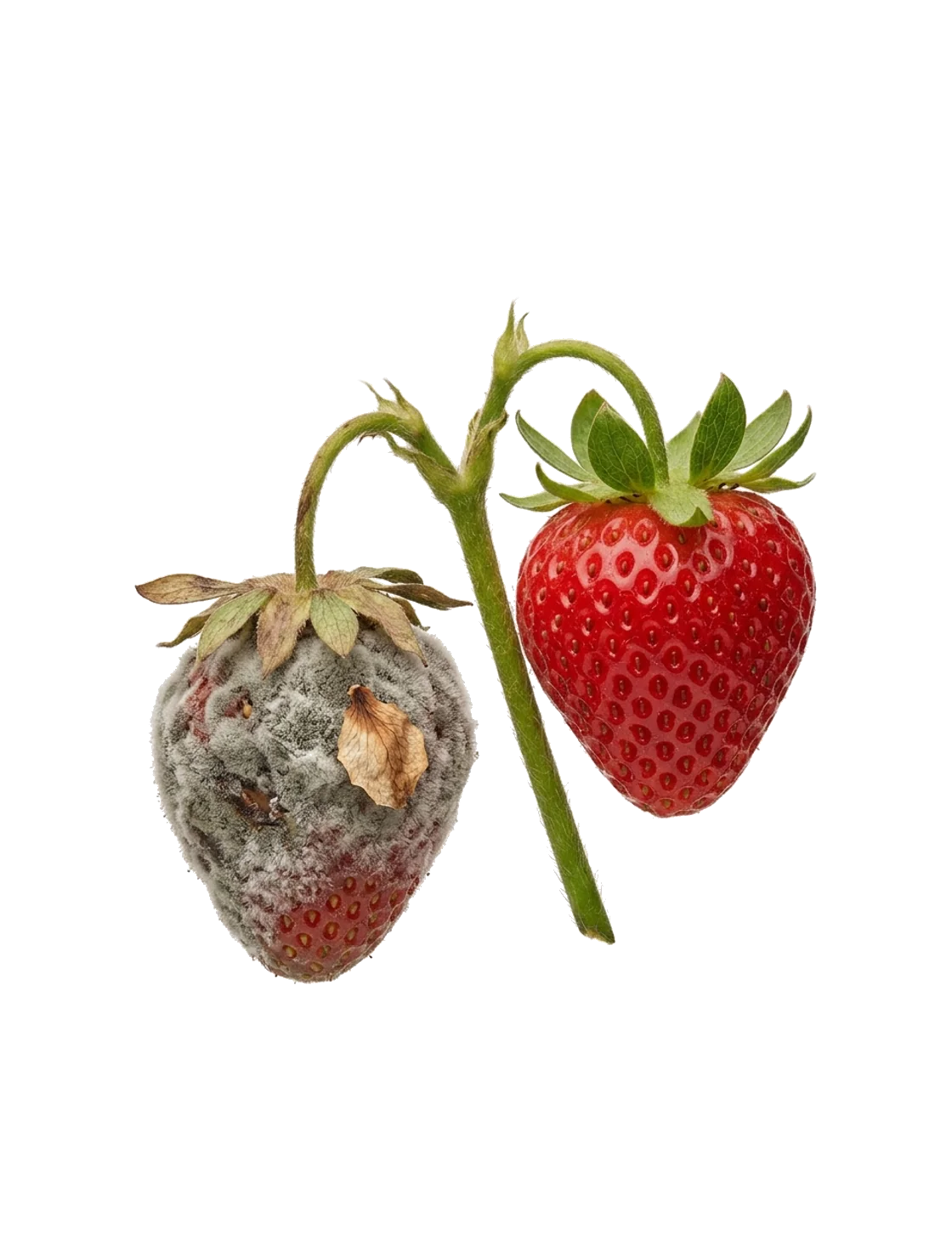
- Botrytis (grey mould)



Frequently asked questions What people ask most.
Why does edging lobelia stop blooming in midsummer?
High heat and dry conditions cause edging lobelia to slow down flower production to conserve energy. Shearing the plant back by half, keeping the soil moist, and offering afternoon shade will encourage fresh blooms in autumn.
Is edging lobelia an annual or a perennial?
It is botanically a tender perennial in frost-free climates, but it is treated almost everywhere as a summer annual. It rarely survives freezing winters and is typically replaced each spring with fresh nursery starts or seedlings.
Can edging lobelia be grown indoors?
It is not well suited for long-term indoor cultivation because it requires bright direct sunlight and natural outdoor airflow. Plants grown inside usually stretch, turn leggy, and produce very few flowers.
What are the signs of overwatering in edging lobelia?
Overwatering causes stems to turn mushy, lower leaves to yellow, and roots to rot beneath the soil surface. Always ensure pots have drainage holes and empty standing water from saucers promptly after watering.