
Black poplar
Populus nigra
Complete guide to growing black poplar (Populus nigra). Learn about light requirements, watering needs, soil conditions, and essential maintenance tips.
- Light
- Shade
- Watering
- 2–3×a week
- Temperature
- -20–35 °Cideal temperature
- Toxicity
- Non-toxic
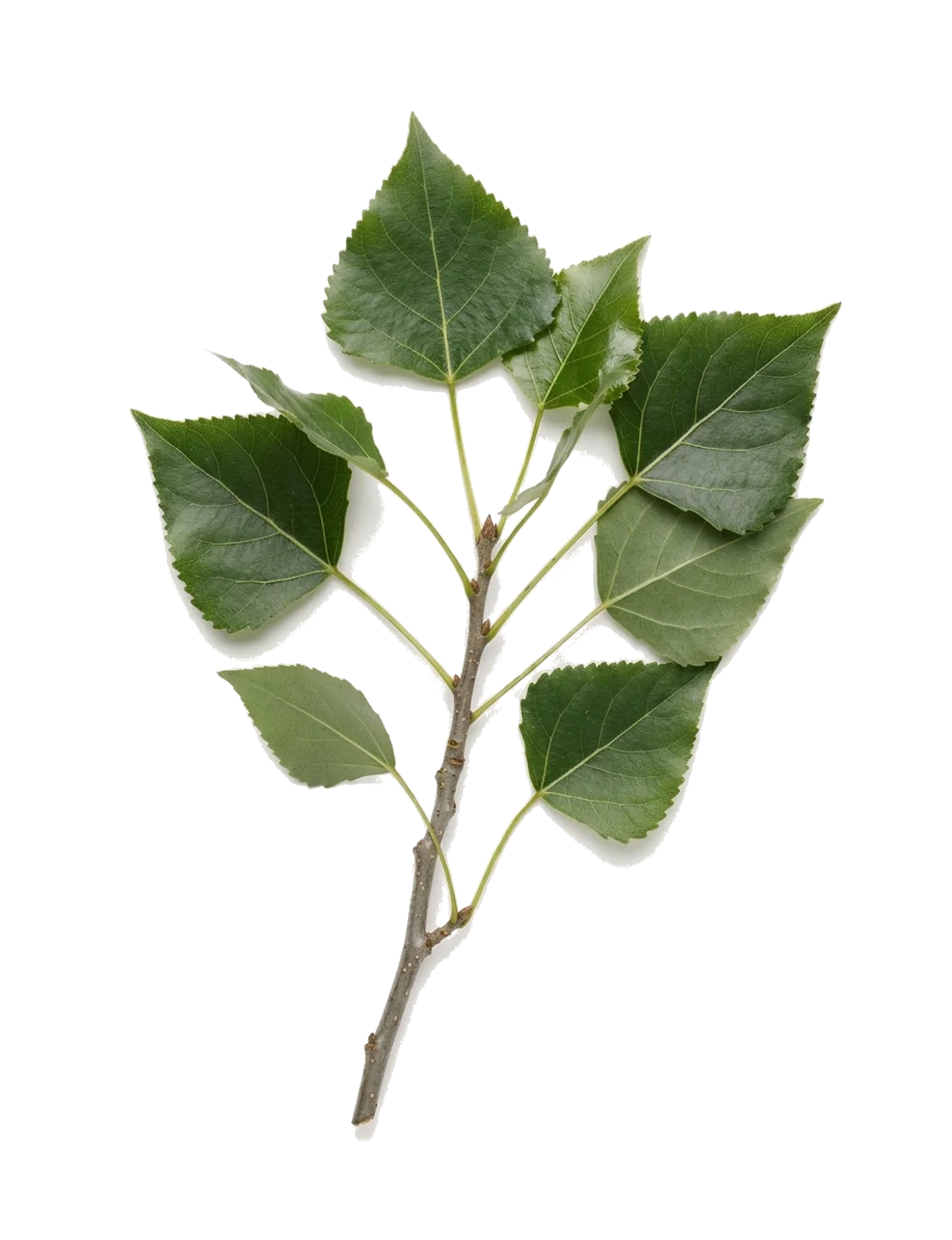
The black poplar (Populus nigra) is a vigorous, large-scale deciduous tree native to river valleys and wetlands across Europe, Western Asia, and Northern Africa. It is widely recognized for its fast growth rate, rough dark grey bark that fissures deeply with age, and distinct triangular to diamond-shaped leaves that flutter easily in the wind.
In its natural habitat, it colonizes floodplains where groundwater is abundant and sunlight is unhindered. Come autumn, the entire canopy turns a luminous golden yellow before shedding its foliage for the dormant season. Because it routinely exceeds thirty meters in height and develops an aggressive, searching root system, it is exclusively suited to large open landscapes or riparian restoration.
On rural properties and open grounds, it serves as a valuable windbreak and an effective anchor for eroding riverbanks. However, it should never be planted close to houses, foundations, or underground utilities, as its roots aggressively seek moisture and can lift hard surfaces. Provided with unshaded sunlight and moist earth, it flourishes with minimal routine care.
Did you know?The Lombardy poplar is a popular fastigiate variety of this species that was planted along European roads and canals to create formal linear landscapes.
Care. What it needs, point by point.
- Watering
- 2–3× a weekIt demands consistently moist soil and tolerates drought poorly, particularly while young. Provide deep soakings two to three times a week in hot weather unless the root system has already tapped into local groundwater.
- Light
- ShadeRequires full, unobstructed sun throughout the entire day to sustain vigorous canopy growth. Shaded trees quickly develop sparse foliage and weak, brittle branches.
- Temperature
- -20–35 °C ideal temperatureThis hardy tree tolerates severe winter chills and high summer heat, thriving between -20 °C and 35 °C (-4 °F to 95 °F). It enters deep winter dormancy, protecting it from hard seasonal freezes.
- Soil
- Performs best in deep, fertile, loamy or alluvial ground that holds moisture yet drains excess water away. It can easily withstand short-term seasonal flooding along waterways.
- Fertilizer
- Supplemental fertilizers are rarely necessary when planted in fertile garden or field soil. An annual mulch of well-rotted compost applied in late winter supports steady, healthy vigor.
- Pruning
- Prune in late winter to remove dead, damaged, or competing branches before spring sap flow starts. Avoid heavy structural lopping, as the relatively soft wood heals slowly and is prone to decay.
- Propagation
- Easily propagated through hardwood cuttings taken while the tree is dormant in winter. Sticking these cuttings directly into moist earth in early spring produces quick, reliable rooting.
Where it grows. In the wild and in homes.
In the wild it grows in Europe, temperate Asia, and Africa, in a temperate climate.
People have also taken it to 37 more regions where it now grows on its own: Africa, North America, temperate Asia, and Australasia.
Range: Plants of the World Online, Royal Botanic Gardens, Kew
Is Black poplar toxic to cats and dogs?
The ASPCA doesn't list this species. If your pet has chewed it and seems unwell, call your vet.
Gallery As the community sees it.
Photo · Kenraiz · CC BY-SA 3.0
Common problems What tends to go wrong.
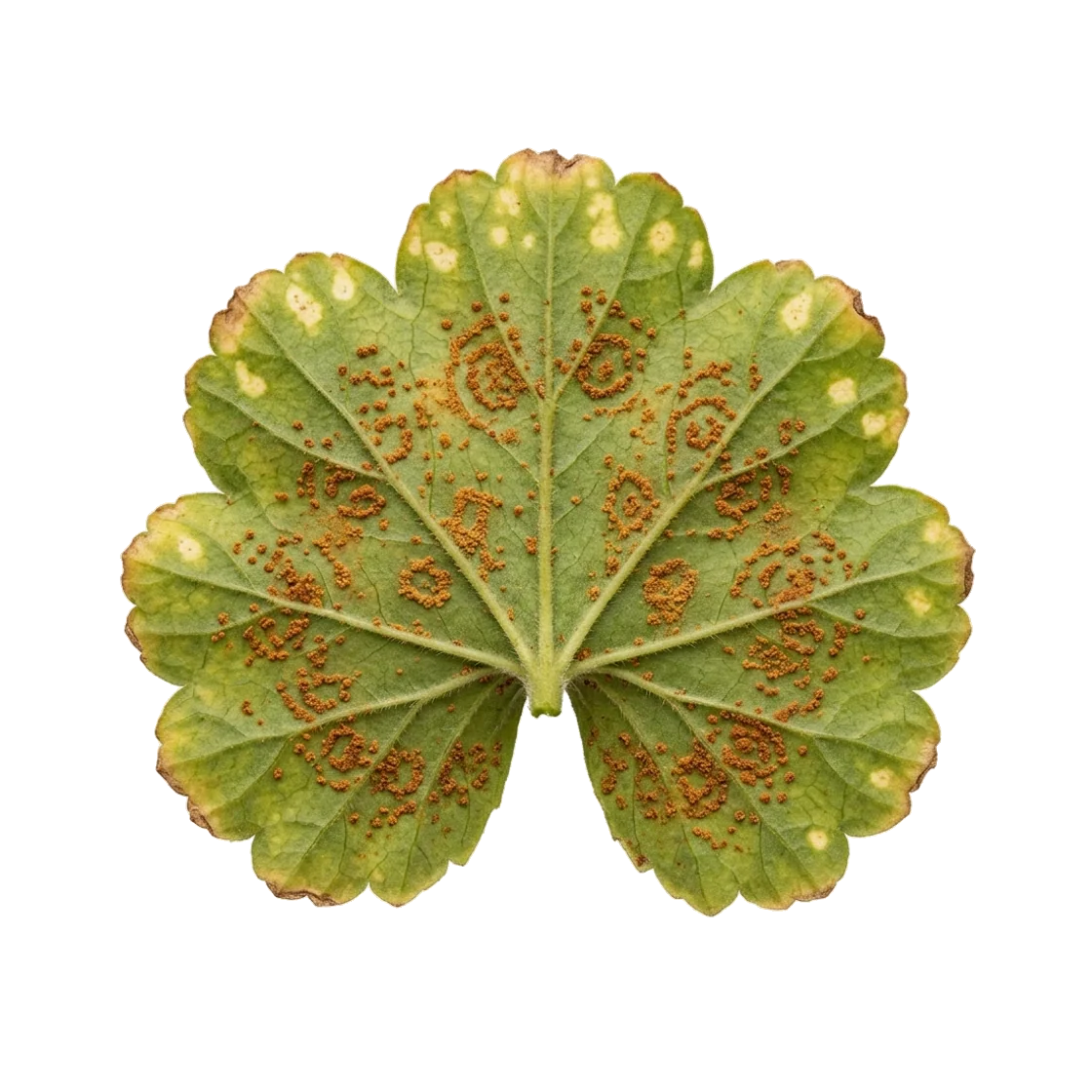
- Rust
- Aphids
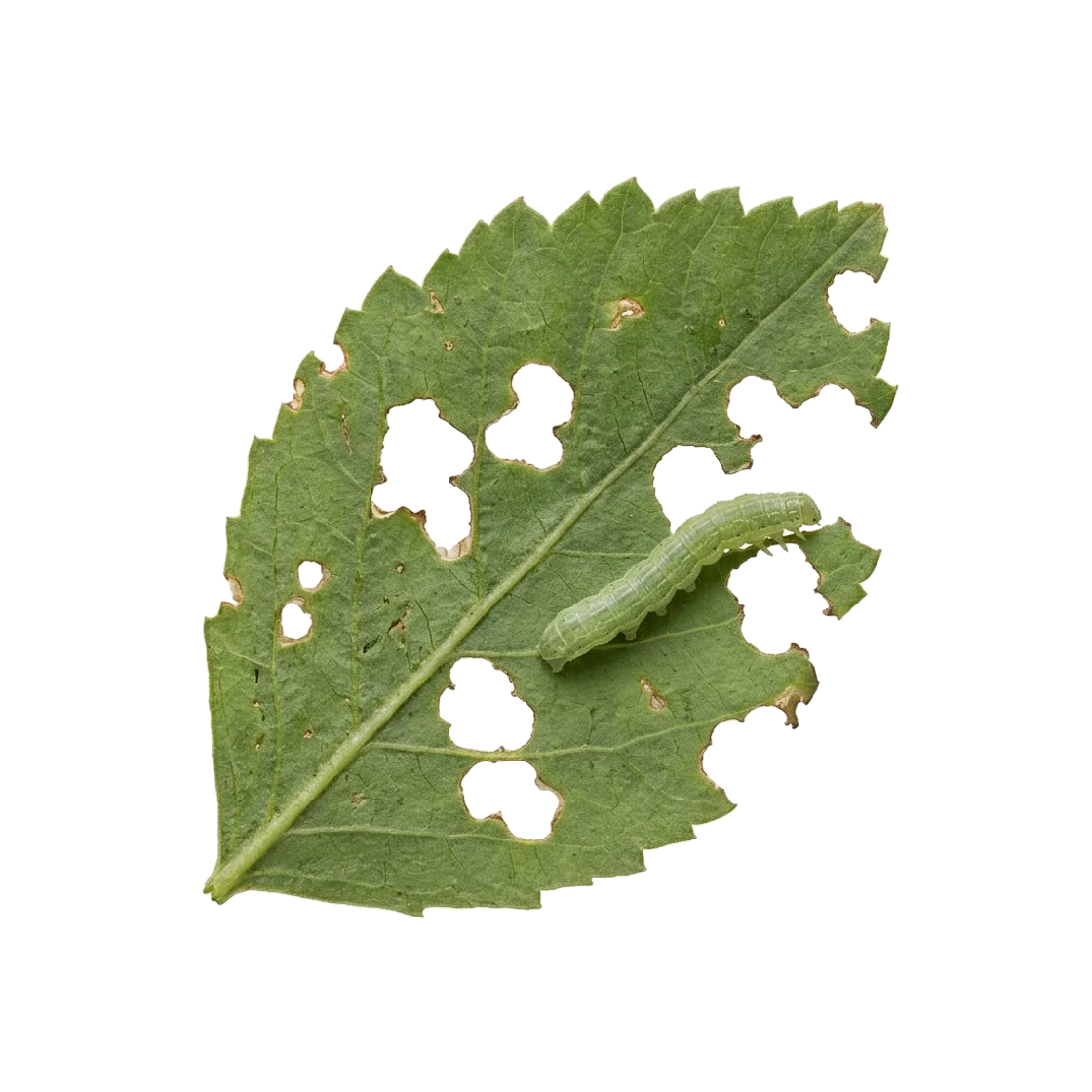
- Caterpillars
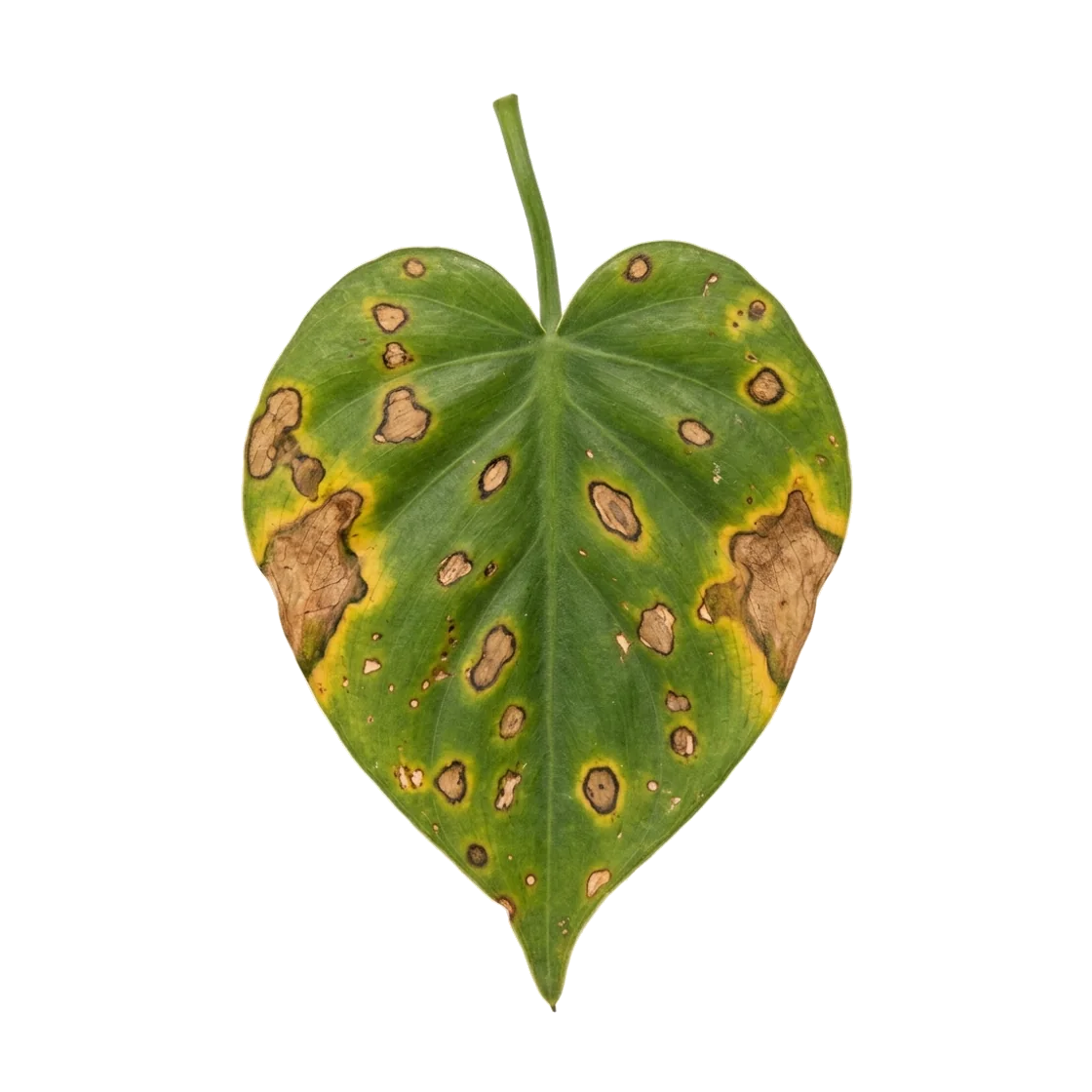
- Fungal or bacterial leaf spots

Frequently asked questions What people ask most.
Why are the leaves turning yellow and dropping in summer?
Premature leaf drop is usually triggered by drought stress or fungal leaf infections such as rust. Provide deep, thorough soakings during hot dry spells to help the tree retain its canopy.
How far from buildings should it be planted?
Plant at least 15 to 20 meters (50 to 65 feet) away from houses, underground drainage lines, and paved walkways. The roots spread wide, stay near the surface, and aggressively seek water sources.
How can poplar rust be managed?
Poplar rust causes powdery orange spots on the undersides of leaves toward late summer. Rake up and dispose of fallen autumn leaves to eliminate overwintering spores before the next growing season.
What is the white fluff falling from the tree in spring?
Female trees release seeds surrounded by cottony hairs that help them disperse via the wind. While this fluff is completely harmless and does not carry pollen, it can accumulate heavily on open ground.