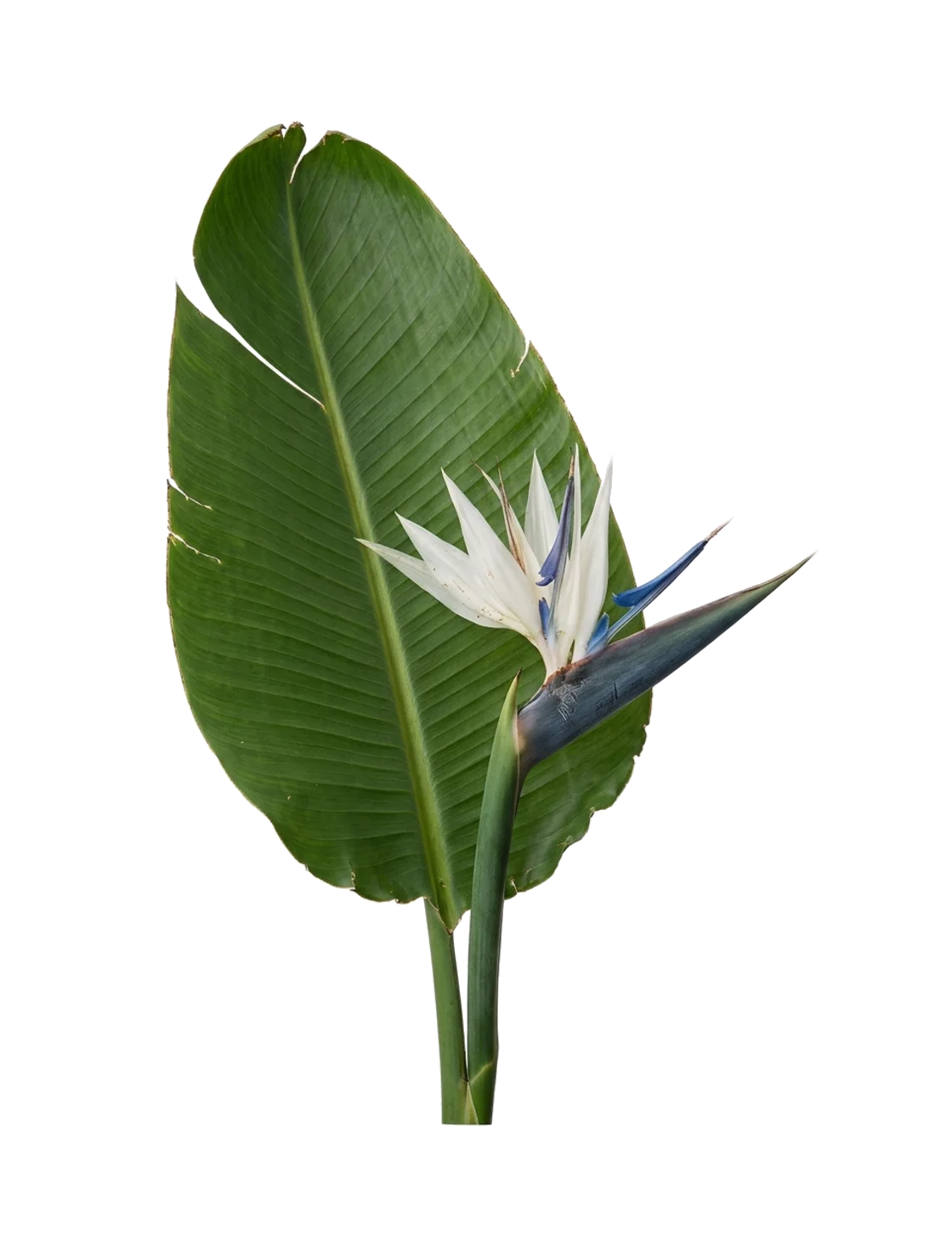
Bird of paradise
Strelitzia reginae
Bird of paradise (Strelitzia reginae) care guide: discover practical tips on bright light, watering, soil mix, and how to encourage stunning blooms.
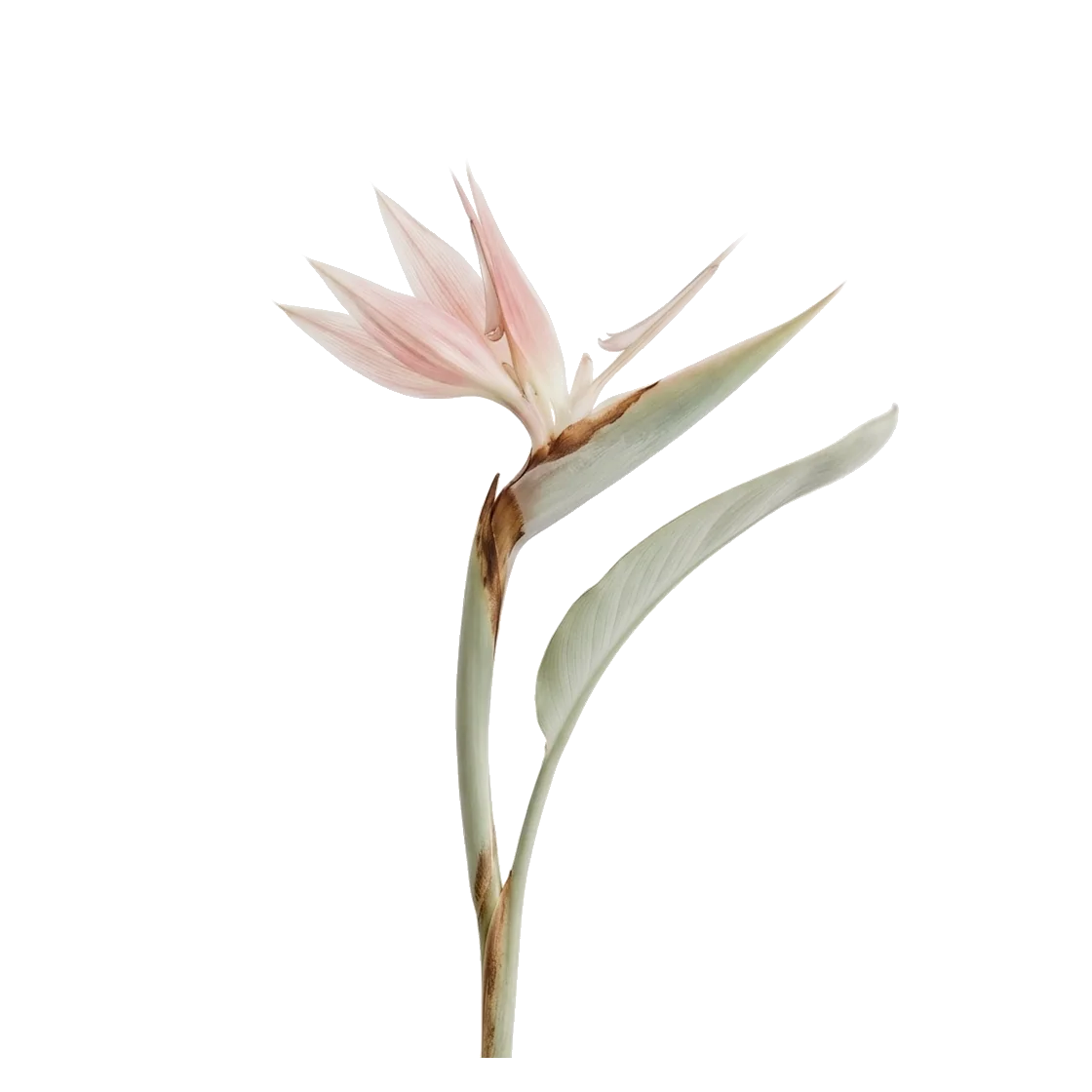
- Light
- 3–4 hof direct sun
- Temperature
- 18–28 °Cideal temperature
- Pets
- Toxic
- Difficulty
- Easy
The bird of paradise (Strelitzia reginae) is an iconic evergreen perennial native to coastal South Africa, famous worldwide for its dramatic crane-like flowers in brilliant shades of orange and vivid blue. Its large, leathery, paddle-shaped leaves emerge in an orderly fan from the base, lending a striking architectural presence to sunny patios, lush borders, and bright indoor living rooms.
Despite its tropical appearance, this species is resilient, adaptable, and remarkably long-lived once settled in place. It performs exceptionally well in large containers, developing a sturdy network of thick, fleshy roots that require open, free-draining soil. To bloom consistently, it requires maturity and plenty of bright sunlight, ideally with a few hours of direct sun each day.
Grown as a houseplant, it appreciates good airflow and moderate humidity to prevent its leaf edges from drying out and crisping. It is a rewarding choice for plant enthusiasts seeking dramatic foliage alongside one of nature's most extraordinary floral displays.
Did you know?In its native South African habitat, this plant is pollinated by sunbirds that perch on the spathe while feeding on sweet nectar. It has also been the official city flower of Los Angeles since 1952.
Care. What it needs, point by point.
- Watering
- Water deeply once the top few inches of potting mix feel dry to the touch, reducing water in winter. Allow excess moisture to drain away completely, as standing water will cause root damage.
- Light
- 3–4 h of direct sunThis plant thrives in bright light and needs at least three to four hours of direct sun daily to set flower buds. In low-light positions, leaves will stretch towards windows and blooms will fail to form.
- Temperature
- 18–28 °C ideal temperatureIt grows best in temperatures between 18 °C and 28 °C throughout the active growing period. Protect it from freezing conditions, as sustained temperatures below 10 °C can damage the foliage.
- Soil
- Use a rich, well-aerated potting mix with plenty of drainage material such as perlite, bark, and coarse sand.
- Fertilizer
- 3 weeks between feedsFeed with a balanced liquid fertilizer every three weeks through spring and summer during active growth.
- Pruning
- Prune away dead or yellowing leaves near the base using clean, sharp pruning shears. Cut spent flower stalks down to the ground to keep the plant tidy and encourage fresh growth.
- Propagation
- The most reliable method of propagation is division of mature clumps during spring repotting. Growing from seed is possible but requires patience, often taking years to reach flowering size.
Where it grows. In the wild and in homes.
In the wild it grows in southern Africa, in a subtropical climate.
People have also taken it to 8 more regions where it now grows on its own: North America, tropical Asia, Africa, and South and Central America and the Caribbean.
Range: Plants of the World Online, Royal Botanic Gardens, Kew
Is Bird of paradise toxic to cats and dogs?
Toxic to cats and dogs.

Cats
Toxic

Dogs
Toxic
Usual signs
Mild nausea, vomiting, and drowsiness, caused primarily by the fruit and seeds.
If your pet has chewed it and shows symptoms, call your vet or the nearest emergency vet.
Source · ASPCA Animal Poison Control
Common problems What tends to go wrong.
- Root rot
- Mealybugs and scale
- Too little light
- Dry air
- Cold damage





Frequently asked questions What people ask most.
Why is my bird of paradise not blooming?
The most common reason is inadequate sunlight, as the plant needs several hours of direct light each day to produce flowers. Additionally, young specimens must reach three to five years of age before they mature enough to bloom.
Why do the leaves split down the middle?
Leaf splitting is a natural adaptation that allows wild plants to withstand gusty coastal winds without tearing the stems. Indoors, sudden air drafts or physical handling can also cause splits, which do not harm the plant.
How do I stop leaf tips from turning brown?
Brown, crispy leaf edges usually indicate low ambient humidity from central heating or inconsistent watering habits. Mist the leaves regularly or group plants together around a humidifier to raise moisture levels.
When should I repot my bird of paradise?
Repot in early spring only when the thick root system fills the container or pushes the plant upward. Keeping the roots somewhat snug in their pot actually promotes more abundant flowering.